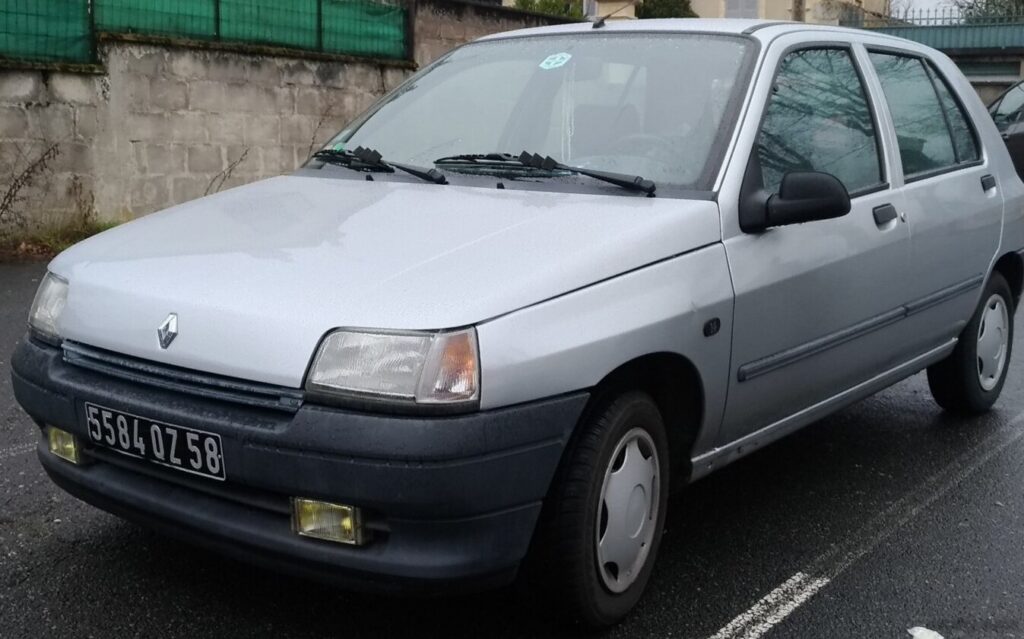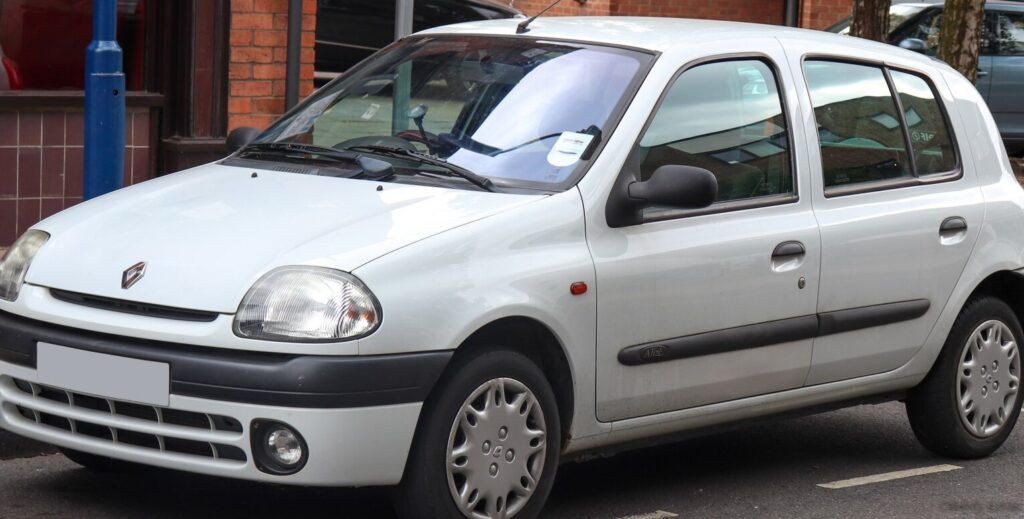
The Renault Clio II (Phase I) 1.9 dTi 5-door, produced from 2000 to 2001, represented a practical and economical offering within the second generation of Renault’s popular supermini. Positioned as a mid-range trim level, it catered to buyers seeking a balance between affordability, fuel efficiency, and practicality. This variant utilized a direct-injection diesel engine, offering improved economy compared to the gasoline-powered models while providing adequate performance for everyday driving. The Clio II, built on the 1HX0/B0 platform, was a significant step forward for Renault, offering improved safety, comfort, and refinement over its predecessor.
Powertrain & Engine Architecture
The heart of the Clio II 1.9 dTi was the F9Q engine, a 1.9-liter inline four-cylinder diesel. This engine was a mainstay in Renault’s lineup during the late 1990s and early 2000s, known for its durability and fuel efficiency. The F9Q 762 engine, specifically, produced 80 horsepower (Hp) at 4000 rpm and 160 Newton-meters (118.01 lb-ft) of torque at 2000 rpm. The engine featured direct injection, a technology that improved combustion efficiency and reduced emissions. The direct injection system utilized a high-pressure fuel pump and electronically controlled injectors. The valvetrain employed an overhead camshaft (OHC) configuration with two valves per cylinder.
The 1.9 dTi was typically paired with a five-speed manual transmission, although an optional four-speed automatic transmission was available. The automatic transmission, while offering convenience, was generally considered less responsive and slightly less fuel-efficient than the manual counterpart. The transmission was a conventional hydraulic automatic, lacking the more advanced electronic controls found in later designs. The engine’s transverse mounting and front-wheel-drive configuration contributed to its compact footprint and efficient packaging.
Fuel Injection and Turbocharging
The F9Q engine’s direct injection system was a key element in its efficiency. Unlike indirect injection systems, direct injection sprays fuel directly into the combustion chamber, allowing for more precise control over the combustion process. This resulted in improved fuel economy and reduced emissions. The engine was also equipped with a turbocharger, which forced more air into the cylinders, boosting power output. The turbocharger was a fixed-geometry unit, meaning it didn’t have variable vanes to optimize boost across the rev range. This resulted in a slight amount of turbo lag at lower engine speeds.
Driving Characteristics
The Clio II 1.9 dTi offered a pragmatic driving experience. Acceleration from 0 to 100 km/h (0-62 mph) took approximately 12.8 seconds, and it reached a top speed of 174 km/h (108.12 mph). While not particularly sporty, the engine provided sufficient torque for comfortable cruising and overtaking on highways. The five-speed manual transmission allowed drivers to keep the engine in its optimal power band, while the optional automatic transmission prioritized ease of use over performance. Compared to the more powerful gasoline variants, the 1.9 dTi felt less eager to rev, but its superior torque made it more relaxed at lower speeds. The manual transmission offered a more engaging driving experience, while the automatic was preferred by those seeking convenience in urban environments.
The Clio’s suspension, tuned for comfort, provided a reasonably smooth ride, absorbing most road imperfections effectively. However, it wasn’t particularly sporty, with noticeable body roll during cornering. The steering was light and precise, making it easy to maneuver in tight spaces.
Equipment & Trim Levels
The Clio II 1.9 dTi 5-door typically came equipped with a reasonable level of standard features. These included power steering, central locking, front electric windows, and an adjustable steering column. Interior upholstery was typically cloth, with a durable and practical design. The dashboard layout was functional and straightforward, with easy-to-read gauges. Optional extras included air conditioning, alloy wheels, a radio/cassette player, and rear electric windows. Higher trim levels, such as the RT, offered additional features like upgraded upholstery, a sunroof, and more sophisticated audio systems.
Chassis & Braking
The Clio II featured a MacPherson strut front suspension and a torsion beam rear suspension. This setup provided a good balance between ride comfort and handling. The front brakes were discs, offering good stopping power, while the rear brakes were drums on most variants. Anti-lock Braking System (ABS) was available as an option, enhancing safety by preventing wheel lockup during hard braking. The chassis was relatively lightweight, contributing to the car’s fuel efficiency and agility. The steering utilized a hydraulic power steering system, providing assistance at low speeds and a more connected feel at higher speeds.
Market Reception & Comparison
The Renault Clio II 1.9 dTi was generally well-received by critics for its fuel efficiency, practicality, and affordability. It was seen as a sensible choice for buyers seeking a reliable and economical small car. Compared to the gasoline-powered Clio variants, the 1.9 dTi offered significantly better fuel economy, making it a popular choice for high-mileage drivers. However, the diesel engine was noticeably louder and less refined than the gasoline engines. Compared to other diesel-powered superminis of the time, such as the Peugeot 206 HDi, the Clio 1.9 dTi offered a competitive level of performance and economy. Reliability was generally good, although the turbocharger and fuel injection system could require maintenance over time.
Technical Specifications
| Engine Type | Inline 4-cylinder, Turbocharged Diesel |
| Engine Displacement | 1870 cm³ (114.11 cu in) |
| Bore x Stroke | 80 mm x 93 mm (3.15 in x 3.66 in) |
| Compression Ratio | 18.3:1 |
| Maximum Power | 80 hp @ 4000 rpm |
| Maximum Torque | 160 Nm (118.01 lb-ft) @ 2000 rpm |
| Fuel System | Direct Injection |
| Valvetrain | OHC, 2 valves per cylinder |
| Transmission | 5-speed manual or 4-speed automatic |
| Drive Type | Front-wheel drive |
| Kerb Weight | 1020 kg (2248.72 lbs) |
| Maximum Weight | 1510 kg (3328.98 lbs) |
| Fuel Consumption (Urban) | 6.7 l/100 km (35.1 US mpg, 42.2 UK mpg) |
| Fuel Consumption (Extra Urban) | 4.3 l/100 km (54.7 US mpg, 65.7 UK mpg) |
| Acceleration 0-100 km/h | 12.8 sec |
| Top Speed | 174 km/h (108.12 mph) |
Legacy
The Renault Clio II 1.9 dTi, while now an older vehicle, remains a relatively common sight on European roads. The F9Q engine, despite its age, is known for its robustness and longevity, provided it has been properly maintained. The availability of spare parts is generally good, making it a relatively affordable car to keep running. In the used car market, these Clios are often sought after by buyers looking for a cheap and reliable runabout. However, potential buyers should be aware of the potential for turbocharger and fuel injection system issues, as well as the possibility of wear and tear on the suspension components. The Clio II 1.9 dTi represents a significant chapter in Renault’s history, demonstrating the company’s commitment to producing practical, economical, and reliable vehicles.