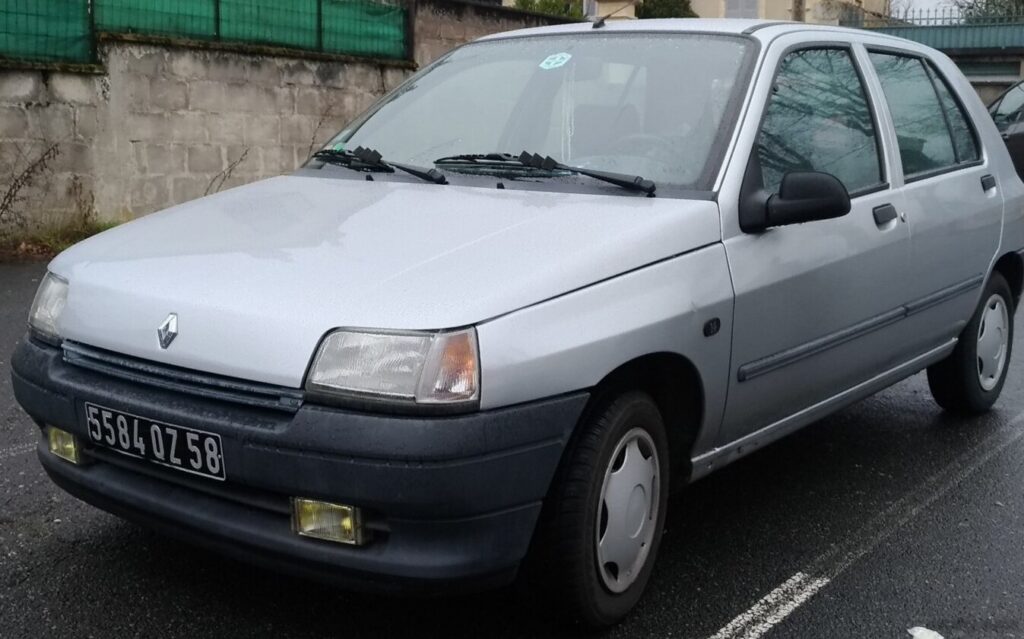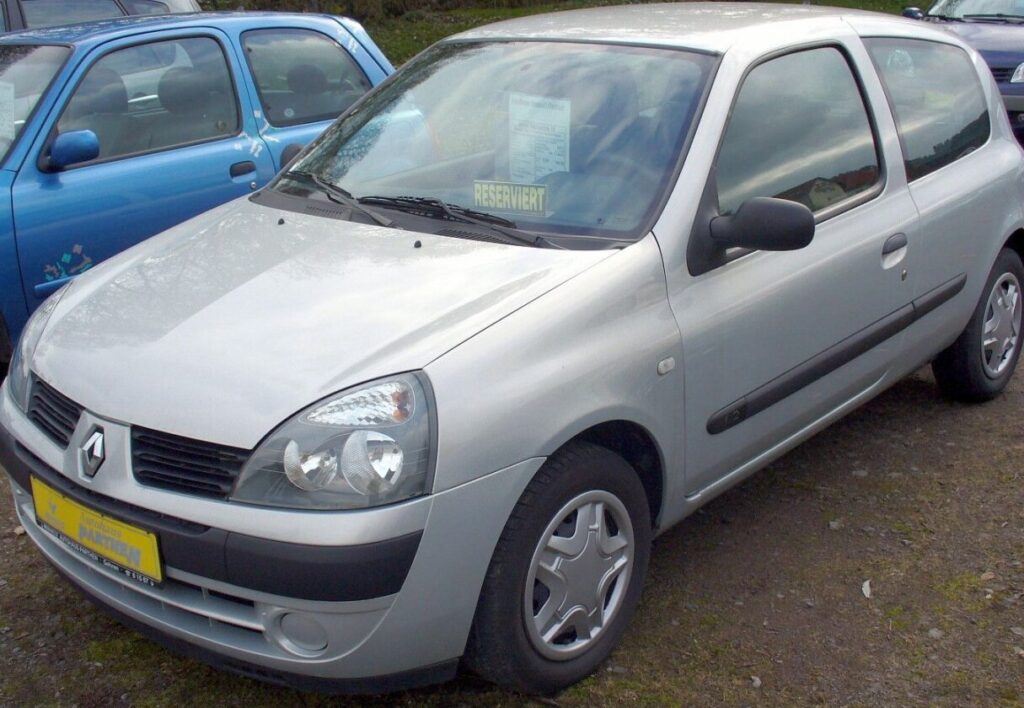
The Renault Clio II Phase II, produced from 2001 to 2003, represented a significant refresh of Renault’s popular supermini. Within the Phase II range, the 3-door 1.2 16V model, producing 75 horsepower, served as a core entry-level offering. Positioned below the more powerful 1.4 16V and diesel variants, and significantly below the sportier Clio Renault Sport models, this version targeted buyers prioritizing fuel efficiency, affordability, and practicality in a compact package. It was a mainstay of the 1HX0/A3 platform, offering a balance between cost and usability.
The 1.2 16V Engine and Powertrain
The heart of this Clio variant was the Renault D4F engine, a 1.2-liter inline-four cylinder gasoline engine. This engine, part of Renault’s F-series, featured a 16-valve dual overhead camshaft (DOHC) configuration. The D4F was designed for efficiency and smooth operation, rather than outright performance. It utilized multi-port fuel injection to deliver fuel to the cylinders. The engine’s bore and stroke measured 69mm x 76.8mm, resulting in a displacement of 1149cc (70.12 cubic inches). A compression ratio of 9.8:1 was employed. The engine produced a maximum power output of 75 hp at 5500 rpm and 105 Nm (77.44 lb-ft) of torque at 3500 rpm. Power per liter was a respectable 65.3 hp/l for a naturally aspirated engine of this displacement.
The 1.2 16V engine was typically paired with a five-speed manual transmission, however, a four-speed automatic transmission was also offered, and is the focus of this article. This automatic gearbox, while providing ease of use, was known to slightly diminish the car’s acceleration and fuel economy compared to the manual version. The automatic transmission featured standard torque converter technology and was designed for smooth, comfortable shifts. It was not a particularly sophisticated unit, prioritizing reliability and cost-effectiveness over sporty performance.
Engine Code Specifics
The D4F engine code encompasses several variations, but the 75 hp version found in the Clio II Phase II is readily identifiable. Maintenance on the D4F engine is generally straightforward, with readily available parts. Common maintenance items include regular oil changes (using a 4.8-liter/5.07 US qt capacity, specified to Renault standards), coolant replacement (5 liters/5.28 US qt), and periodic spark plug and air filter changes. The engine is known for its relatively robust construction, though timing belt replacement at recommended intervals is crucial to prevent catastrophic engine failure.
Driving Characteristics
The 1.2 16V automatic Clio II offered a comfortable, if uninspiring, driving experience. Acceleration from 0-100 km/h (0-62 mph) took approximately 13 seconds, and 0-60 mph was achieved in around 12.4 seconds. The top speed was limited to 170 km/h (105.63 mph). The automatic transmission’s gear ratios were optimized for fuel economy and smooth cruising, rather than rapid acceleration. The car felt noticeably slower than the 1.4 16V or the diesel-powered Clios. Power delivery was linear, but the engine lacked significant low-end torque, requiring the transmission to downshift frequently when climbing hills or overtaking. The steering was light and precise, making it easy to maneuver in urban environments. The suspension, while comfortable, was not particularly sporty, resulting in some body roll during cornering.
Equipment and Trim Levels
The 1.2 16V automatic Clio II typically came equipped with a basic, yet functional, level of standard equipment. This included power steering, central locking, front electric windows, and an adjustable steering column. Safety features included ABS (Anti-lock Braking System) and driver and passenger airbags. Interior upholstery was typically cloth, with a simple dashboard layout. Optional extras included air conditioning, alloy wheels, a radio/CD player, and metallic paint. Higher trim levels, such as the “Expression” or “Dynamique” variants, added features like rear electric windows, a trip computer, and upgraded interior trim. The 3-door configuration emphasized a more youthful and sporty aesthetic compared to the 5-door model.
Chassis and Braking
The Clio II utilized a front-engine, front-wheel-drive layout. The front suspension consisted of an independent McPherson strut setup with coil springs and an anti-roll bar. The rear suspension employed a semi-independent torsion beam axle with coil springs and a stabilizer bar. This configuration provided a good balance between ride comfort and handling. The braking system featured ventilated discs on the front wheels and drum brakes on the rear wheels. The hydraulic power steering provided light and responsive steering feel. Tire sizes typically ranged from 175/65 R14 to 185/55 R15, mounted on 5.5J x 14 or 6.0J x 15 steel or alloy wheels.
Market Reception and Comparison
The 1.2 16V automatic Clio II was generally well-received as an affordable and practical city car. Critics praised its fuel efficiency (approximately 5.9 l/100 km combined, or 39.9 US mpg) and ease of driving. However, the automatic transmission was often criticized for its sluggish performance and lack of responsiveness. Compared to the manual version, the automatic offered a noticeable reduction in fuel economy and acceleration. The 1.4 16V offered a more engaging driving experience, while the diesel variants provided superior fuel economy and torque. The Clio II faced competition from other superminis such as the Peugeot 206, Volkswagen Polo, and Ford Fiesta. The Renault offered a compelling combination of style, practicality, and affordability, making it a popular choice in its segment.
Technical Specifications
| Brand | Renault |
| Model | Clio II Phase II |
| Engine Type | 1.2 16V Gasoline |
| Engine Code | D4F |
| Displacement | 1149 cc (70.12 cu in) |
| Power | 75 hp @ 5500 rpm |
| Torque | 105 Nm (77.44 lb-ft) @ 3500 rpm |
| Transmission | 4-speed Automatic |
| Drive | Front-Wheel Drive |
| Acceleration 0-100 km/h | 13 seconds |
| Top Speed | 170 km/h (105.63 mph) |
| Fuel Consumption (Combined) | 5.9 l/100 km (39.9 US mpg) |
| CO2 Emissions | 139 g/km |
| Kerb Weight | 910 kg (2006.21 lbs) |
| Fuel Tank Capacity | 50 liters (13.21 US gal) |
| Trunk Space (Minimum) | 255 liters (9.01 cu ft) |
| Trunk Space (Maximum) | 1037 liters (36.62 cu ft) |
Legacy
The 1.2 16V automatic Renault Clio II remains a relatively common sight on used car markets today. The D4F engine, when properly maintained, is known for its reliability and longevity. However, the automatic transmission can be prone to wear and tear, particularly if not serviced regularly. Finding a well-maintained example is key. These Clios are often sought after as affordable and economical runabouts, particularly for city driving. While not a performance car, the 1.2 16V automatic offers a comfortable and practical driving experience, making it a viable option for budget-conscious buyers. Its simple construction and readily available parts contribute to its continued appeal as a dependable and inexpensive mode of transportation.