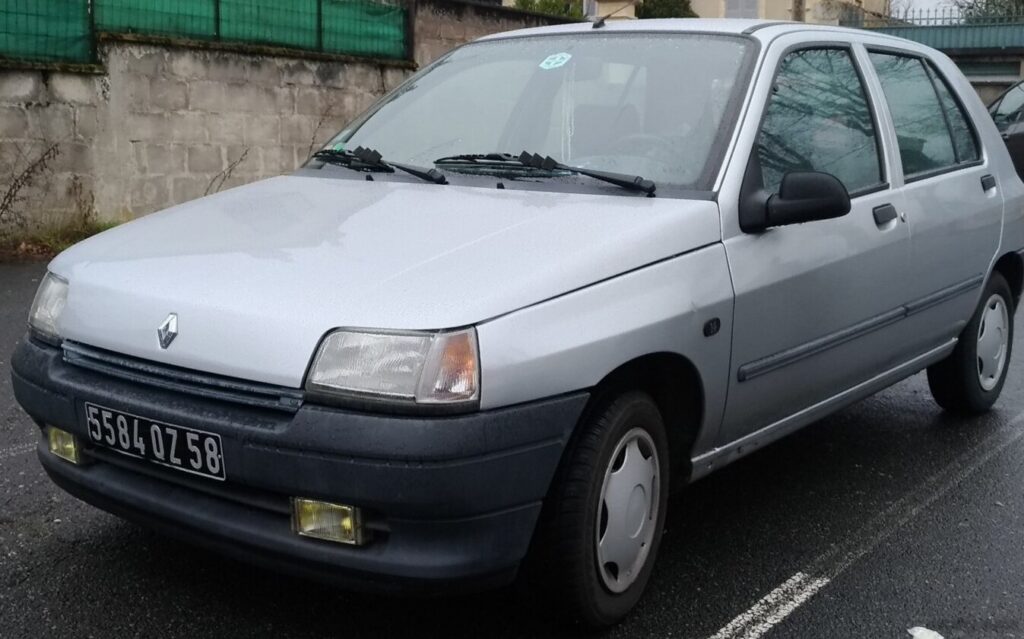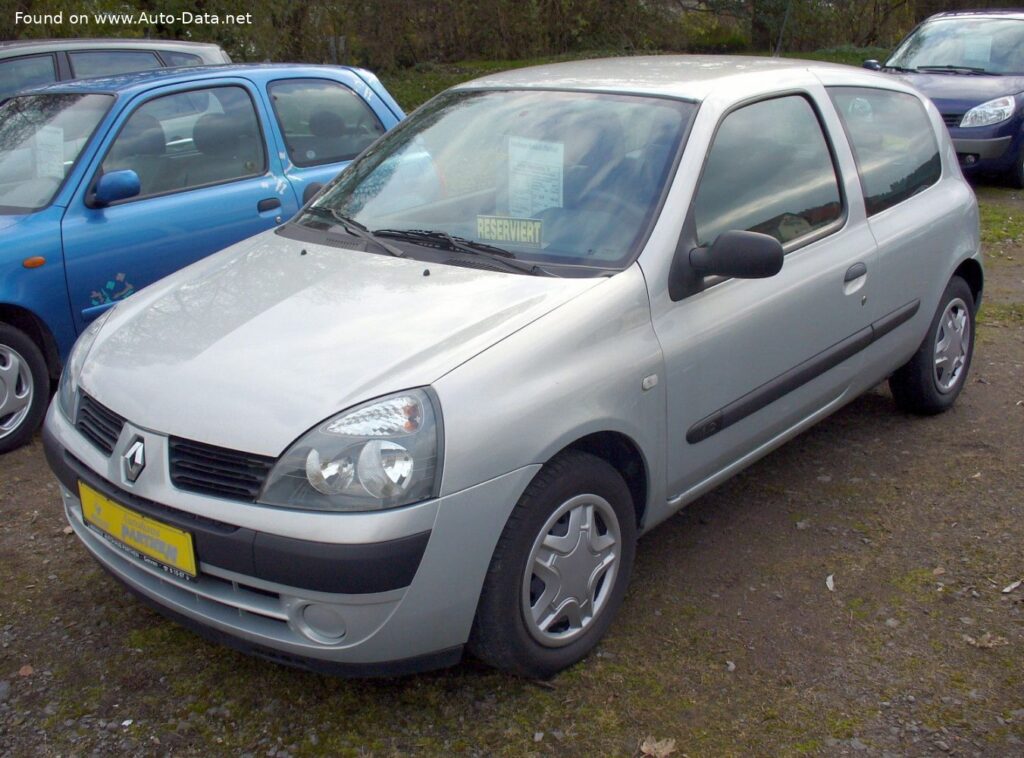
The Renault Clio II Phase II, produced from 2001 to 2003, represented a significant evolution of Renault’s popular supermini. Within the Phase II range, the 3-door 2.0 16V Sport model, boasting 169 horsepower, occupied the performance-oriented top tier. This variant was positioned as a direct competitor to other hot hatches of the era, offering a blend of sporty handling, respectable acceleration, and a relatively practical hatchback body style. It built upon the foundation of the 1HX0/A3 platform, shared with other Renault models like the Mégane, and aimed to deliver an engaging driving experience for enthusiasts.
The 2.0 16V Sport: A Performance Focus
The 2.0 16V Sport trim was designed to appeal to drivers seeking a more dynamic and engaging driving experience than the standard Clio II models. While the base models focused on affordability and fuel efficiency, the Sport prioritized performance and handling. It represented a step up from the 1.4 and 1.6 liter engine options, offering a substantial power increase and a more aggressive driving character. This model was aimed at a younger demographic or those who appreciated a sporty, compact car.
Powertrain & Engine Architecture
At the heart of the Clio II 2.0 16V Sport lies the F4R engine, a 1998cc (121.93 cu. in.) inline-four cylinder gasoline engine. This engine, a staple in Renault’s lineup, featured a double overhead camshaft (DOHC) valvetrain with four valves per cylinder, contributing to its high-revving nature and power output. The F4R utilized multi-port fuel injection, delivering fuel directly into the intake ports. The engine produced 169 hp at 6250 rpm and 200 Nm (147.51 lb-ft) of torque at 5400 rpm. The compression ratio was set at 11:1. Engine oil capacity was 4.75 liters (5.02 US qt | 4.18 UK qt), and the recommended coolant capacity was 7.4 liters (7.82 US qt | 6.51 UK qt).
The engine was mated to a 5-speed manual transmission, the only gearbox option available for this performance variant. This transmission was chosen to provide drivers with maximum control over the engine’s power delivery. The front wheels were driven, consistent with the Clio’s front-wheel-drive layout.
Driving Characteristics
The 2.0 16V Sport offered a noticeable performance upgrade over the lower-powered Clio II models. Acceleration from 0 to 100 km/h (0-62 mph) was achieved in 7.3 seconds, while 0-60 mph took approximately 6.9 seconds. Top speed was rated at 220 km/h (136.7 mph). The engine’s power delivery was linear, with a strong mid-range providing ample acceleration for everyday driving and spirited performance on winding roads. The 5-speed manual transmission allowed drivers to keep the engine in its optimal power band. While not a torque monster, the engine’s willingness to rev and the close-ratio gearbox made it a fun and engaging driving experience. Compared to the standard engines, the Sport model felt significantly more responsive and capable.
Equipment & Trim Levels
The 2.0 16V Sport trim came equipped with a number of features designed to enhance both the driving experience and the overall comfort. Standard equipment included alloy wheels (typically 7J x 16), sport seats with enhanced bolstering, and a leather-wrapped steering wheel. Air conditioning, power windows, and central locking were also standard. The interior featured a sporty aesthetic, with unique upholstery and trim details. Optional extras included a sunroof, upgraded audio system, and metallic paint finishes. The dashboard layout was typical of the Clio II, with a functional and straightforward design.
Chassis & Braking
The Clio II 2.0 16V Sport featured a McPherson strut front suspension with a coil spring and anti-roll bar. The rear suspension utilized a semi-independent beam with a stabilizer lateral stability and coil spring. This suspension setup provided a good balance between ride comfort and handling precision. The front brakes were ventilated discs, offering strong stopping power, while the rear brakes were solid discs. Anti-lock Braking System (ABS) was standard. The car’s kerb weight of 1035 kg (2281.78 lbs) contributed to its agile handling characteristics. Tire size was typically 195/45 R16.
Market Reception & Comparison
The Renault Clio II 2.0 16V Sport received generally positive reviews from automotive critics. It was praised for its lively performance, engaging handling, and relatively affordable price point. However, some critics noted that the interior quality was not as refined as some of its competitors. Fuel economy was rated at 8.1 l/100 km (29 US mpg, 34.9 UK mpg), which was reasonable for a performance hatchback of its era. CO2 emissions were 194 g/km, meeting EURO 3 standards.
Compared to other hot hatches of the early 2000s, such as the Volkswagen Polo GTI or the Peugeot 206 GTI, the Clio II 2.0 16V Sport offered a competitive level of performance and handling. It was often seen as a more affordable alternative to the more premium offerings from German manufacturers. The Clio’s lighter weight gave it an advantage in terms of agility, while its engine, though not as powerful as some rivals, provided a satisfying driving experience.
Technical Specifications
| Brand | Renault |
| Model | Clio |
| Generation | Clio II (Phase II, 2001) |
| Type | 3-door 2.0 16V Sport (169 Hp) |
| Start of production | 2001 |
| End of production | 2003 |
| Engine | F4R 1998 cm3 Inline-4 |
| Power | 169 Hp @ 6250 rpm |
| Torque | 200 Nm @ 5400 rpm (147.51 lb.-ft.) |
| Fuel Consumption (Urban) | 11.2 l/100 km (21 US mpg) |
| Fuel Consumption (Extra Urban) | 6.3 l/100 km (37.3 US mpg) |
| Fuel Consumption (Combined) | 8.1 l/100 km (29 US mpg) |
| CO2 Emissions | 194 g/km |
| Acceleration 0-100 km/h | 7.3 sec |
| Top Speed | 220 km/h (136.7 mph) |
| Kerb Weight | 1035 kg (2281.78 lbs) |
| Fuel Tank Capacity | 50 l (13.21 US gal) |
| Transmission | 5-speed Manual |
| Drive | Front Wheel Drive |
Legacy
The Renault Clio II 2.0 16V Sport has developed a loyal following among enthusiasts. The F4R engine is known for its reliability and tunability, making it a popular choice for modifications. While age and mileage can affect the condition of these cars, well-maintained examples are still sought after today. Common issues include wear and tear on suspension components and potential oil leaks. The Clio II 2.0 16V Sport remains a relatively affordable entry point into the world of performance hatchbacks, offering a fun and engaging driving experience that continues to appeal to car enthusiasts.