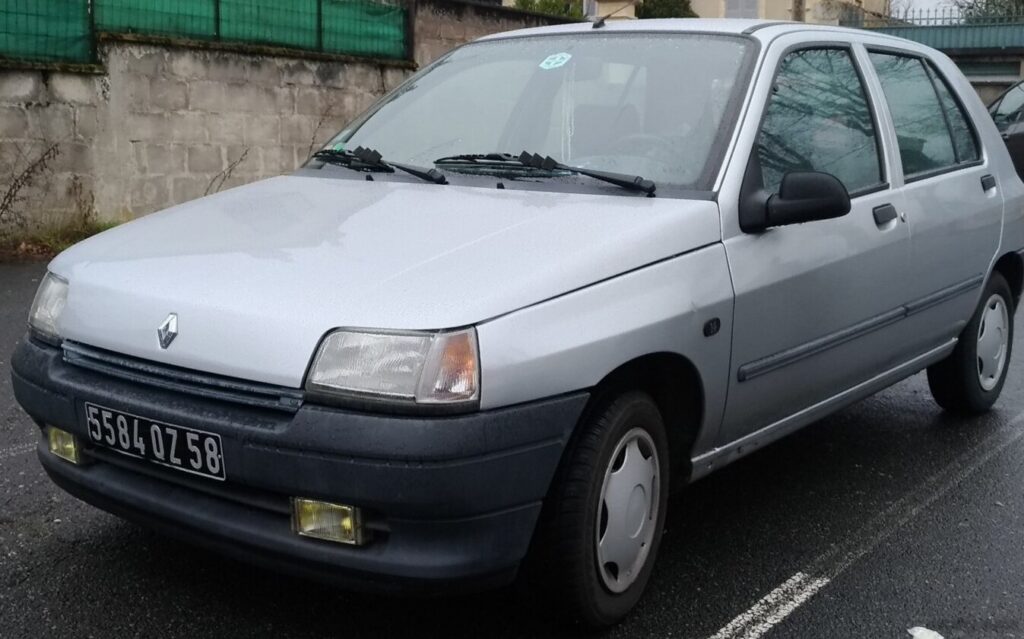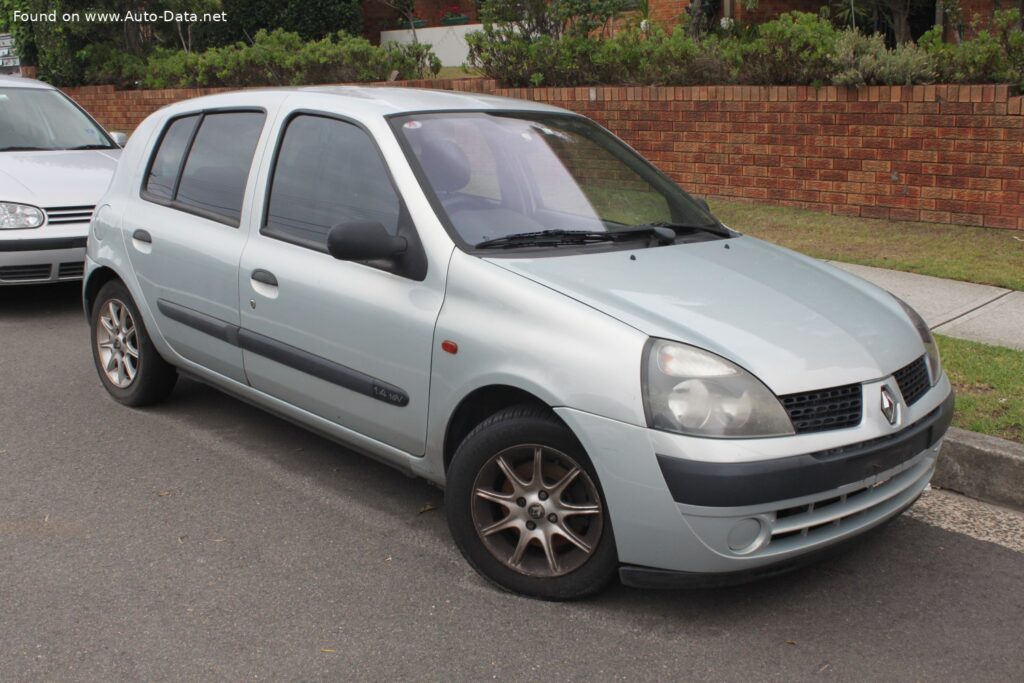
The Renault Clio II Phase II, produced from 2001 to 2003, represented a significant refresh of Renault’s popular supermini. Among the various engine and trim combinations offered, the 5-door 1.2 16V model, producing 75 horsepower, occupied an important position as an entry-level offering. This variant was designed to provide affordable and economical transportation, appealing to a broad customer base, particularly first-time car buyers and those seeking a practical city vehicle. It was built on the 1HX0/A3 platform, shared with other Renault and Nissan models of the era.
The 1.2 16V Engine and its Role in the Clio II Lineup
The 1.2 16V engine, designated the D4F engine code, was a key component of Renault’s strategy to offer a diverse range of powertrains for the Clio II. Positioned below the more powerful 1.4 16V and 1.6 16V engines, as well as the diesel options, the 1.2L engine prioritized fuel efficiency and affordability over outright performance. It served as the gateway to the Clio II range, attracting buyers who didn’t require the extra power of the higher-spec models. Compared to the 1.4L, the 1.2L offered lower running costs, while the diesel variants appealed to those prioritizing even greater fuel economy and higher torque for long-distance driving. The 1.2L 16V was generally paired with a manual transmission, but an automatic option was also available, albeit less common.
Powertrain & Engine Architecture
The D4F 75 horsepower engine is a 1.149 liter (70.12 cubic inches) inline-four cylinder engine. It features a multi-port fuel injection system, delivering fuel directly into the intake ports. The engine utilizes a double overhead camshaft (DOHC) valvetrain with four valves per cylinder, contributing to its relatively efficient combustion process. The compression ratio is 9.8:1. The engine’s design emphasized compactness and lightweight construction, aiding in the Clio’s overall agility. The automatic transmission offered with this engine was typically a four-speed unit, designed for smooth, if not particularly sporty, gear changes. This transmission was chosen for its simplicity and cost-effectiveness, aligning with the entry-level positioning of the 1.2L variant.
Driving Characteristics
The 1.2 16V engine, when paired with the automatic transmission, delivered modest but adequate performance for urban and suburban driving. Acceleration from 0 to 62 mph (0-100 km/h) took approximately 13 seconds. Maximum speed was around 105.63 mph (170 km/h). The automatic transmission, while providing convenience, did slightly diminish the engine’s responsiveness compared to the manual gearbox. Gear ratios were optimized for fuel economy rather than rapid acceleration. Power delivery was linear, but the engine required a significant amount of throttle input to achieve brisk acceleration, particularly when overtaking. Compared to the 1.4L and 1.6L models, the 1.2L automatic felt noticeably slower, but it offered a more relaxed and forgiving driving experience, especially in congested traffic.
Equipment & Trim Levels
The 5-door 1.2 16V Clio II typically came with a basic, yet functional, level of equipment. Standard features generally included power steering, central locking, front airbags, and an adjustable steering column. Interior upholstery was typically cloth, with a simple dashboard layout. Optional extras included air conditioning, electric windows, and a radio/CD player. Higher trim levels, such as the “Expression” or “Dynamique” variants, added features like alloy wheels, upgraded interior trim, and more sophisticated audio systems. The base 1.2L model was intentionally kept relatively spartan to maintain its affordability.
Chassis & Braking
The Clio II’s chassis featured an independent McPherson strut suspension at the front, providing a comfortable ride and decent handling. The rear suspension utilized a semi-independent beam axle with a stabilizer bar, offering a balance between ride comfort and stability. Braking was typically accomplished with ventilated discs on the front wheels and drum brakes on the rear. Anti-lock Braking System (ABS) was often included as standard equipment, enhancing safety. The suspension setup was tuned to prioritize comfort and ease of driving, rather than sporty handling. The weight of the vehicle, around 930 kg (2050.3 lbs), was relatively low, contributing to its fuel efficiency and maneuverability.
Market Reception & Comparison
The 1.2 16V Clio II received generally positive reviews for its fuel economy, practicality, and affordability. Critics praised its nimble handling and comfortable ride, particularly in urban environments. However, the engine’s lack of outright power was often noted, especially when compared to its larger-engined siblings. Fuel consumption figures were competitive, averaging around 39.9 US mpg (47.9 UK mpg) on the combined cycle. Reliability was generally good, although some owners reported minor issues with the engine’s ignition system and the automatic transmission. Compared to other superminis of the era, such as the Ford Fiesta and Volkswagen Polo, the Clio II offered a compelling combination of value, practicality, and style.
Technical Specifications
| Engine Type | Inline-4, Petrol |
| Engine Displacement | 1149 cc (70.12 cu in) |
| Engine Code | D4F |
| Power Output | 75 hp @ 5500 rpm |
| Torque | 105 Nm @ 3500 rpm (77.44 lb-ft) |
| Fuel Injection | Multi-point |
| Valvetrain | DOHC, 16 valves |
| Compression Ratio | 9.8:1 |
| Transmission | 4-speed Automatic (Optional) |
| Drive Type | Front-Wheel Drive |
| Kerb Weight | 930 kg (2050.3 lbs) |
| Maximum Speed | 170 km/h (105.63 mph) |
| 0-100 km/h | 13 seconds |
| Fuel Consumption (Combined) | 5.9 l/100 km (39.9 US mpg) |
| CO2 Emissions | 139 g/km |
| Fuel Tank Capacity | 50 liters (13.21 US gal) |
Legacy
The 1.2 16V Clio II, particularly the automatic variant, remains a relatively common sight on used car markets today. The D4F engine is known for its durability and relatively low maintenance costs, although age-related issues such as oil leaks and worn suspension components are common. The automatic transmission, while not renowned for its robustness, can provide reliable service with regular fluid changes. These cars are often sought after as affordable and economical runabouts, particularly for city driving. While not a performance icon, the 1.2 16V Clio II represents a practical and reliable choice for budget-conscious buyers seeking a well-rounded supermini.