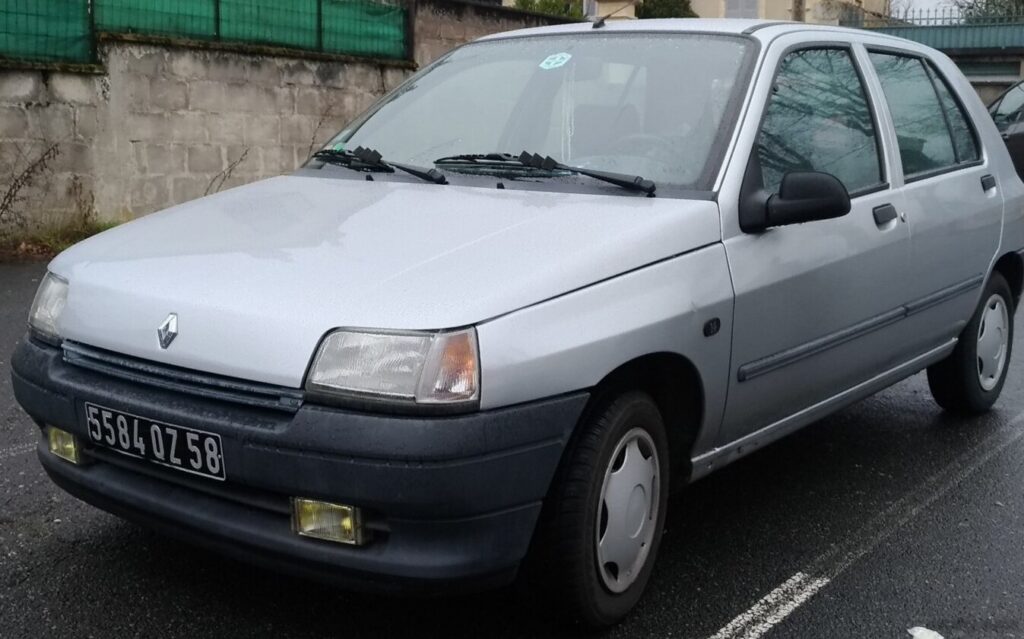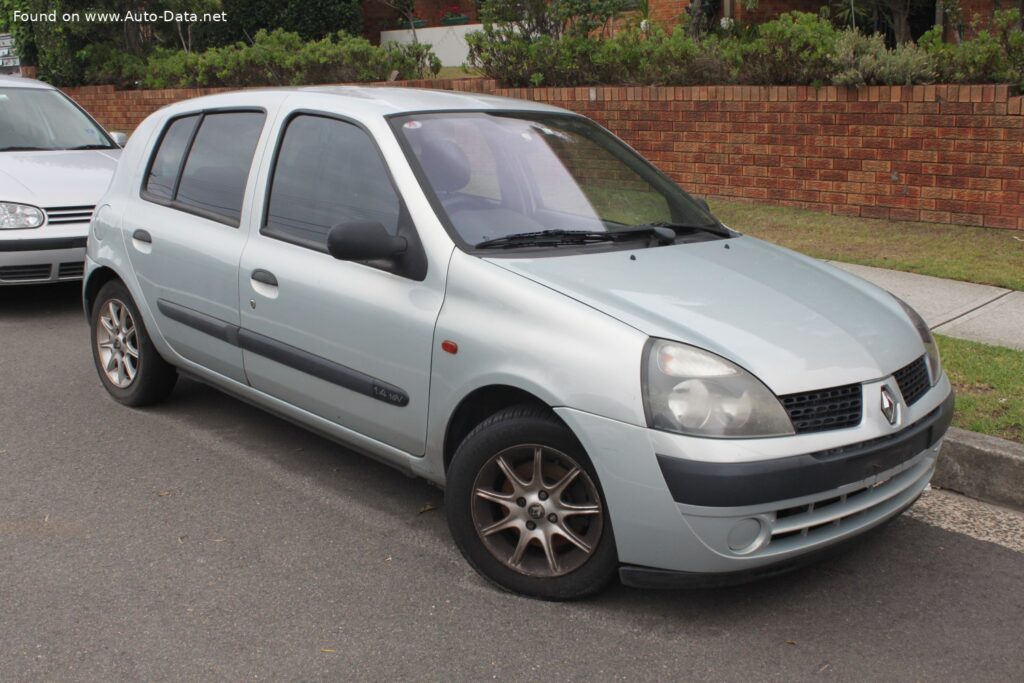
The Renault Clio II Phase II (2001-2003) 5-door 1.9 dTi, producing 80 horsepower, represented a practical and economical offering within the broader Clio II range. Introduced as part of the Phase II refresh of the second-generation Clio (known internally as the B/C or XB0/1 platform), this variant aimed to provide a balance between fuel efficiency, reasonable performance, and affordability. It occupied a position in the lineup geared towards buyers prioritizing low running costs and everyday usability, rather than outright performance. The 1.9 dTi engine was a key component of Renault’s diesel offerings during this period, known for its durability and fuel economy.
1.9 dTi Powertrain & Engine Architecture
The heart of this Clio variant is the Renault F9Q 732 engine, a 1.9-liter inline four-cylinder diesel. This engine utilizes direct injection technology, a significant advancement for diesel engines of the time, contributing to improved efficiency and reduced emissions. The F9Q engine family was widely used across various Renault and partner vehicles. Key features include a single overhead camshaft (OHC) valvetrain operating two valves per cylinder. The engine is turbocharged and intercooled, enhancing power output and torque. The turbocharger provides increased air intake, while the intercooler cools the compressed air, further improving combustion efficiency.
The 1.9 dTi engine produces 80 hp (59 kW) at 4000 rpm and 160 Nm (118 lb-ft) of torque at 2000 rpm. This torque figure is particularly noteworthy, providing good low-end pulling power for everyday driving. The engine’s compression ratio is relatively high at 18.3:1, typical for direct injection diesels. The engine’s oil capacity is 5.5 liters (5.81 US quarts), and it requires a specific oil specification (refer to owner’s manual for details). The cooling system holds 7.5 liters (7.93 US quarts) of coolant.
The 1.9 dTi engine was typically paired with a five-speed manual transmission. While an automatic transmission was offered on some Clio II models, it was less common with the 1.9 dTi engine due to the torque characteristics and target market. The five-speed manual transmission provides a relatively conventional gear ratio spread, optimized for fuel efficiency and drivability.
Engine Code Specifics (F9Q)
The F9Q engine code designates a specific iteration of Renault’s 1.9-liter diesel. Variations within the F9Q family existed, but the 732 variant found in the Clio II 1.9 dTi is characterized by its specific tuning and emissions control systems to meet Euro 3 standards. The direct injection system utilizes a Bosch fuel pump and injectors, delivering fuel directly into the combustion chamber at extremely high pressure. This precise fuel delivery contributes to efficient combustion and reduced particulate emissions.
Driving Characteristics
The Clio II 1.9 dTi offered a driving experience focused on practicality and economy. Acceleration was adequate for everyday driving, but not particularly sporty. The 80 hp output and 160 Nm of torque provided sufficient power for merging onto highways and overtaking slower vehicles, but it wasn’t a quick car. The engine’s strength lay in its mid-range torque, making it easy to drive in urban environments and on winding roads. The five-speed manual transmission allowed drivers to keep the engine in its optimal power band. Compared to the petrol-powered Clio II variants, the 1.9 dTi offered significantly better fuel economy, but at the expense of outright performance. Compared to the higher-output diesel variants (like the 1.9 TDI), the 1.9 dTi was less powerful but more affordable and often more reliable due to its simpler turbocharger setup.
The steering was light and precise, making the Clio easy to maneuver in tight spaces. The suspension provided a comfortable ride, absorbing bumps and imperfections in the road surface reasonably well. However, the Clio II wasn’t known for its particularly engaging handling characteristics. It prioritized comfort and stability over sporty dynamics.
Equipment & Trim Levels
The Clio II 1.9 dTi typically came with a modest level of standard equipment. Base models included power steering, central locking, and an immobilizer. Interior upholstery was typically cloth, with a durable and practical design. The dashboard layout was functional and straightforward, with easy-to-read gauges and controls. Optional extras included air conditioning, electric windows, and a radio/CD player. Higher trim levels, such as the “Expression” or “Dynamique” variants, added additional features like alloy wheels, fog lights, and upgraded interior trim.
Safety features included ABS (Anti-lock Braking System) as standard equipment, enhancing braking performance and stability. Driver and passenger airbags were also typically included. The 5-door body style provided convenient access to the rear seats and a relatively spacious interior for a supermini-class vehicle.
Chassis & Braking
The Clio II 1.9 dTi utilized a McPherson strut front suspension with a coil spring and anti-roll bar. The rear suspension was a semi-independent beam with a stabilizer lateral stability and coil spring. This suspension setup provided a good balance between ride comfort and handling. The front brakes were disc brakes, while the rear brakes were drum brakes. This configuration was common for vehicles in this weight class and price range. The steering system was a rack and pinion type with hydraulic power assistance, providing light and precise steering feel.
The Clio II 1.9 dTi rode on 175/65 R14 tires mounted on 5.5J x 14 steel or alloy wheels. The tire size was chosen to provide a good balance between grip, ride comfort, and fuel efficiency.
Market Reception & Comparison
The Renault Clio II 1.9 dTi was generally well-received by critics and consumers alike. It was praised for its fuel efficiency, reliability, and affordability. However, it was also criticized for its lack of outright performance and somewhat basic interior. Compared to other diesel-powered superminis of the time, such as the Peugeot 206 HDi and the Volkswagen Polo TDI, the Clio 1.9 dTi offered a competitive package in terms of price and running costs. Fuel economy was typically in the range of 4.5-5.5 liters per 100 kilometers (52-63 mpg), depending on driving conditions. Reliability was generally good, although some owners reported issues with the turbocharger and fuel injection system over the long term.
Technical Specifications
| Brand | Renault |
| Model | Clio II |
| Generation | Clio II (Phase II, 2001) |
| Engine Type | 1.9 dTi (Diesel Turbo Injection) |
| Engine Code | F9Q 732 |
| Displacement | 1870 cm³ (114.11 cu in) |
| Cylinders | 4, Inline |
| Power | 80 hp (59 kW) @ 4000 rpm |
| Torque | 160 Nm (118 lb-ft) @ 2000 rpm |
| Compression Ratio | 18.3:1 |
| Fuel Injection | Direct Injection |
| Turbocharger | Yes, with Intercooler |
| Valvetrain | OHC (2 valves per cylinder) |
| Transmission | 5-speed Manual |
| Drive Wheels | Front Wheel Drive |
| Kerb Weight | 1020 kg (2248.72 lbs) |
| Max Weight | 1510 kg (3328.98 lbs) |
| Fuel Tank Capacity | 50 liters (13.21 US gal) |
| Length | 3773 mm (148.54 in) |
| Width (including mirrors) | 1940 mm (76.38 in) |
| Height | 1417 mm (55.79 in) |
Legacy
The Renault Clio II 1.9 dTi remains a relatively common sight on European roads today, testament to its durability and affordability. The F9Q engine, while aging, is generally considered to be a robust and reliable unit, provided it has been properly maintained. In the used car market, these Clios are typically priced very affordably, making them attractive to budget-conscious buyers. However, potential buyers should be aware of potential issues with the turbocharger, fuel injection system, and general wear and tear associated with older vehicles. The Clio II 1.9 dTi represents a significant milestone in Renault’s history, demonstrating the company’s commitment to producing fuel-efficient and practical vehicles for the mass market.