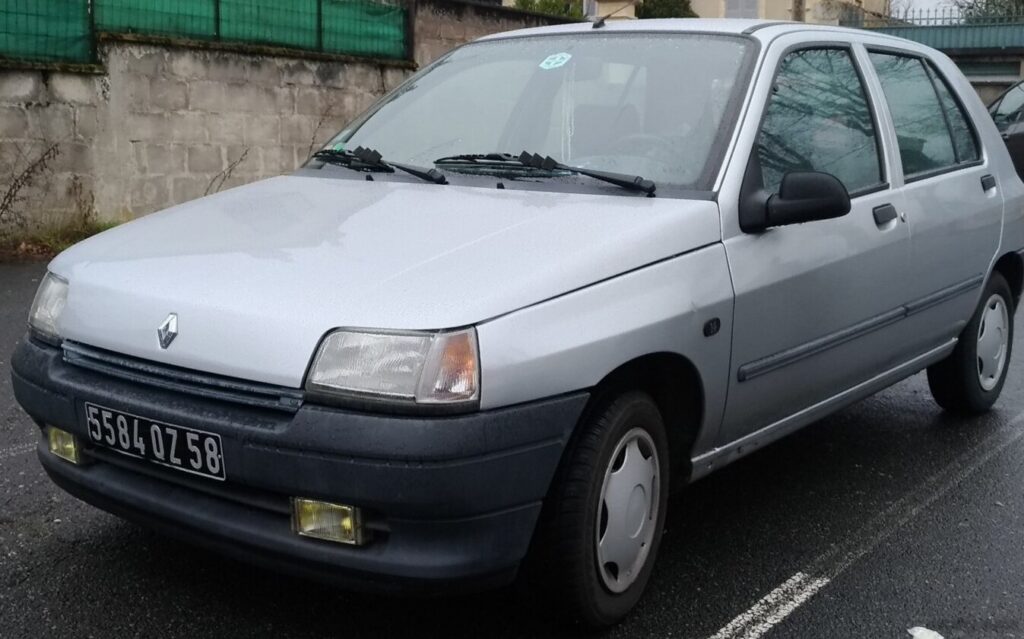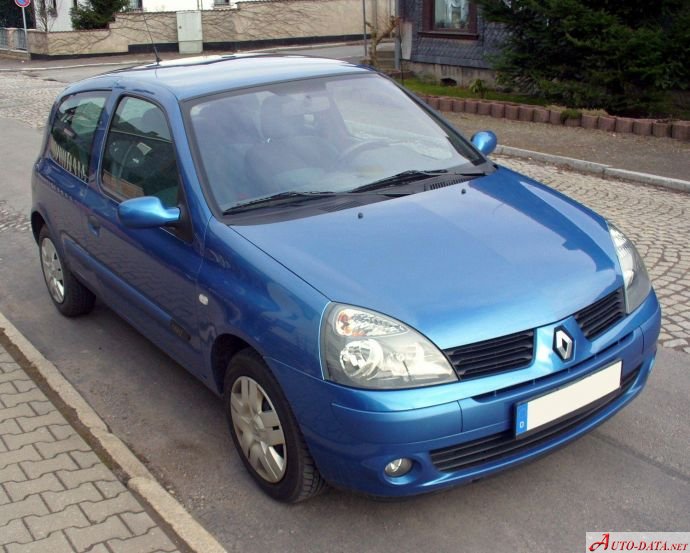
The Renault Clio II Phase III (2003-2006) 3-door 1.2 16V 75 hp “Quickshift” model represented an entry-level offering within the popular supermini range. Introduced as part of the facelifted second-generation Clio, this variant aimed to provide affordable and economical transportation, particularly appealing to younger drivers and those seeking a practical city car. It occupied the lower end of the Clio II lineup, positioned below the more powerful 1.4 16V and 1.6 16V engines, as well as the diesel options. The “Quickshift” designation refers to the automated manual transmission, a unique feature for this engine size in the Clio range.
Renault Clio II 1.2 16V Quickshift: An Overview
The Clio II, launched in 1998, was a significant success for Renault, building upon the popularity of its predecessor. The Phase III update in 2003 brought revised styling, improved safety features, and refinements to the engine range. The 1.2 16V 75 hp Quickshift model was a key part of this update, offering a blend of fuel efficiency and ease of use thanks to its automated gearbox. Production of this specific configuration ran from 2003 to 2006, coinciding with the later years of the Clio II’s lifecycle before the introduction of the third-generation model.
Powertrain & Engine Architecture
At the heart of the Clio II 1.2 16V Quickshift lies the D4F engine, a 1.2-liter (1149 cc) inline-four cylinder gasoline engine. This engine utilizes a multi-point fuel injection system and a double overhead camshaft (DOHC) valvetrain with four valves per cylinder. The engine produces 75 horsepower (hp) at 5500 rpm and 105 Newton-meters (77.44 lb-ft) of torque at 3500 rpm. The engine’s relatively small displacement and 9.8:1 compression ratio contribute to its fuel efficiency.
The defining feature of this variant is the “Quickshift” transmission, which is a 5-speed automated manual gearbox. Unlike a traditional automatic transmission with a torque converter, the Quickshift system uses actuators to shift gears, offering a more direct driving experience and improved fuel economy. However, it lacks the smoothness of a conventional automatic and can exhibit slightly jerky shifts, particularly at lower speeds. The transmission operates in both fully automatic and semi-automatic modes, allowing the driver some control over gear selection.
Driving Characteristics
The 1.2 16V 75 hp engine, coupled with the Quickshift transmission, delivers modest performance. Acceleration from 0 to 62 mph (0-100 km/h) takes approximately 14.6 seconds, and the top speed is around 105.63 mph (170 km/h). The power delivery is relatively linear, but the engine feels strained at higher speeds or when carrying a full load. The Quickshift transmission, while improving fuel economy, doesn’t offer the rapid acceleration of a traditional manual gearbox or a conventional automatic.
Gear ratios are optimized for fuel efficiency rather than outright performance. First gear is relatively short for quick acceleration from a standstill, while higher gears are spaced to maintain low engine speeds during cruising. The automated shifting can feel somewhat hesitant, especially during overtaking maneuvers. Compared to the 1.4 16V or 1.6 16V versions of the Clio II, the 1.2 Quickshift offers significantly less power and a slower overall driving experience. However, it excels in urban environments where its nimble handling and fuel efficiency are highly valued.
Equipment & Trim Levels
The 1.2 16V Quickshift typically came equipped as a base model, offering essential features for everyday use. Standard equipment generally included power steering, central locking, an immobilizer, and a basic audio system. Interior upholstery was typically cloth, and the dashboard featured a functional but relatively simple design.
Optional extras available for this trim level included air conditioning, electric front windows, alloy wheels, and a CD player. Higher trim levels, such as the Expression or Dynamique, added more features as standard, but the 1.2 Quickshift remained the most affordable entry point into the Clio II range. The 3-door body style further emphasized the car’s sporty and youthful appeal.
Chassis & Braking
The Clio II 1.2 16V Quickshift utilizes an independent McPherson strut suspension at the front, providing good handling and ride comfort. The rear suspension employs a semi-independent beam with a stabilizer bar, which helps to reduce body roll during cornering. The front brakes are ventilated discs, offering adequate stopping power, while the rear brakes are drums. This configuration was typical for vehicles in this weight class and price range.
The steering is rack and pinion with hydraulic power assistance, providing a light and responsive feel. Tire sizes typically ranged from 175/65 R14 to 185/55 R15, depending on the trim level and optional equipment. ABS (Anti-lock Braking System) was often included as standard or available as an option, enhancing safety by preventing wheel lockup during emergency braking.
Market Reception & Comparison
The Renault Clio II 1.2 16V Quickshift was generally well-received as an affordable and economical city car. Critics praised its fuel efficiency and ease of use, particularly the convenience of the Quickshift transmission. However, the transmission also drew criticism for its jerky shifts and lack of refinement compared to traditional automatic gearboxes.
Compared to other trims in the Clio II lineup, the 1.2 Quickshift offered the lowest purchase price and the best fuel economy. The 1.4 16V and 1.6 16V versions provided more power and a more engaging driving experience, but at a higher cost. The diesel models offered even better fuel economy but were typically more expensive to purchase and maintain. In terms of reliability, the 1.2 16V engine is generally considered to be robust and dependable, although the Quickshift transmission can be prone to occasional issues.
Technical Specifications
| Brand | Renault |
| Model | Clio |
| Generation | Clio II (Phase III, 2003) |
| Engine Type | 1.2 16V (75 Hp) Quickshift |
| Start of Production | 2003 |
| End of Production | 2006 |
| Fuel Consumption (Urban) | 7.6 l/100 km (30.9 US mpg) |
| Fuel Consumption (Extra Urban) | 4.8 l/100 km (49 US mpg) |
| Fuel Consumption (Combined) | 5.8 l/100 km (40.6 US mpg) |
| CO2 Emissions | 137 g/km |
| Fuel Type | Petrol (Gasoline) |
| Acceleration 0-100 km/h | 14.6 sec |
| Acceleration 0-62 mph | 14.6 sec |
| Maximum Speed | 170 km/h (105.63 mph) |
| Engine Displacement | 1149 cm3 (70.12 cu. in.) |
| Engine Power | 75 Hp @ 5500 rpm |
| Engine Torque | 105 Nm @ 3500 rpm (77.44 lb.-ft.) |
| Kerb Weight | 950 kg (2094.39 lbs.) |
| Fuel Tank Capacity | 50 l (13.21 US gal) |
| Transmission | 5-speed Automated Manual (“Quickshift”) |
Legacy
The Renault Clio II 1.2 16V Quickshift remains a relatively common sight on used car markets today. Its affordability, fuel efficiency, and simple mechanical design make it an attractive option for budget-conscious buyers. While the Quickshift transmission may not be to everyone’s taste, it offers a unique driving experience and contributes to the car’s overall economy.
The D4F engine is known for its reliability, and with proper maintenance, it can provide many years of service. However, potential buyers should be aware of the possibility of issues with the Quickshift transmission, such as jerky shifts or actuator failures. Overall, the Clio II 1.2 16V Quickshift represents a practical and economical choice for those seeking a small, reliable, and affordable hatchback.