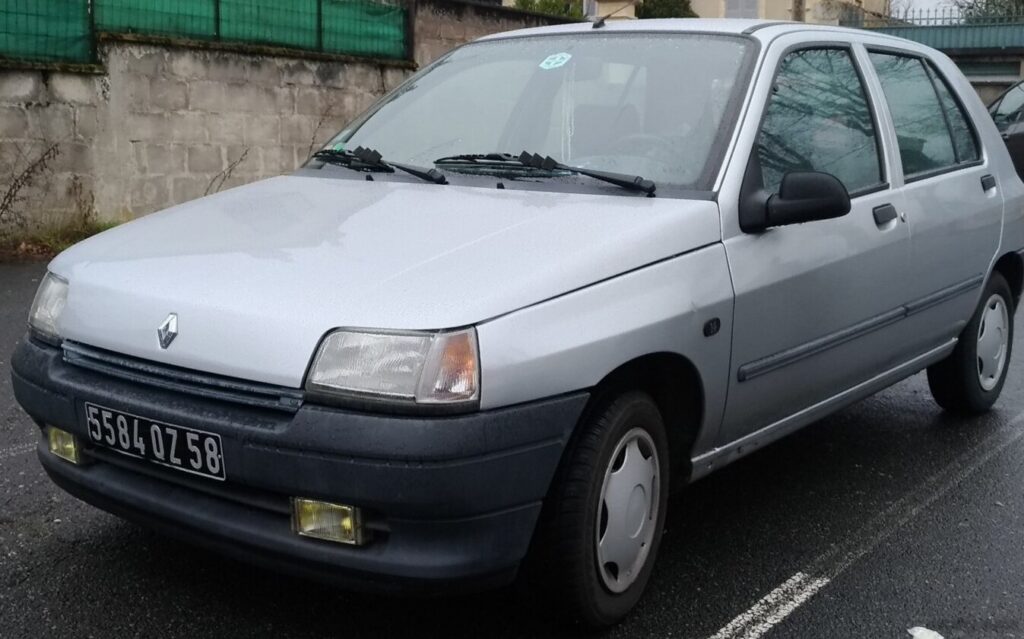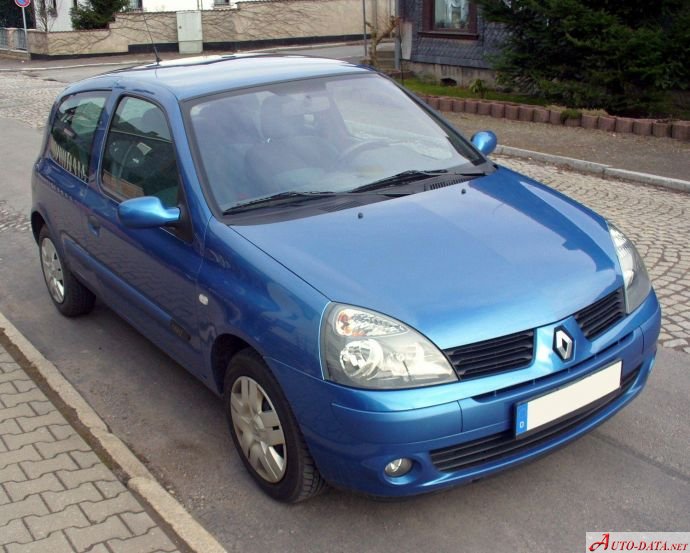
The Renault Clio II Phase III, produced from 2003 to 2006, represented a significant refresh of Renault’s popular supermini. Within this generation, the 3-door 1.4 16V (98 hp) Automatic variant occupied a middle-ground position in the lineup, aimed at buyers prioritizing ease of use and affordability over outright performance. This model was part of the broader Clio II family, built on the 1HX0/A3 platform, and offered a practical and economical option in the competitive European small car market. It served as a stepping stone between the base 1.2L engine options and the more powerful 1.6L and diesel variants.
The 1.4 16V Automatic: Positioning and Target Audience
The 1.4 16V Automatic trim was designed to appeal to a wider demographic than the sportier or more economical versions of the Clio II. It offered a balance between fuel efficiency and acceptable performance, coupled with the convenience of an automatic transmission. This made it particularly attractive to urban drivers, commuters, and those less interested in the engagement of a manual gearbox. Compared to the base 1.2L models, the 1.4 offered a noticeable power increase, improving acceleration and making highway driving more comfortable. However, it lacked the punch of the 1.6L 16V or the fuel economy benefits of the diesel options, positioning it as a compromise for drivers seeking a well-rounded package.
Powertrain & Engine Architecture
At the heart of the Clio II 1.4 16V Automatic lies the K4J engine, a 1390cc inline-four cylinder gasoline engine. This engine utilizes a multi-port fuel injection system, delivering fuel directly into the intake ports just before the intake valves. The “16V” designation indicates the engine features four valves per cylinder (Dual Overhead Camshaft or DOHC valvetrain), enhancing breathing and contributing to its power output. The engine produces 98 horsepower at 6000 rpm and 127 Nm (93.67 lb-ft) of torque at 3750 rpm.
The automatic transmission paired with the K4J engine is a four-speed unit. While not known for its cutting-edge technology, it provided smooth and predictable gear changes, contributing to the car’s ease of driving. The transmission’s gear ratios were optimized for fuel efficiency and everyday usability, rather than outright acceleration. First gear was relatively short for quick take-offs, while higher gears were spaced to maintain comfortable cruising speeds. The transmission’s control unit managed shift points based on throttle position and vehicle speed, aiming for a balance between performance and economy.
Engine Specifications (K4J)
- Displacement: 1390 cm³ (84.82 cu. in.)
- Cylinder Bore: 79.5 mm (3.13 in.)
- Piston Stroke: 70 mm (2.76 in.)
- Compression Ratio: 10:1
- Valves per Cylinder: 4
- Fuel Injection: Multi-port
- Engine Oil Capacity: 4.9 liters (5.18 US qt | 4.31 UK qt)
- Coolant Capacity: 5.7 liters (6.02 US qt | 5.02 UK qt)
Driving Characteristics
The 1.4 16V Automatic Clio II offered a comfortable, if not particularly exhilarating, driving experience. Acceleration from 0-100 km/h (0-62 mph) took approximately 12.9 seconds, and 0-60 mph was achieved in around 12.3 seconds. The top speed was rated at 180 km/h (111.85 mph). The automatic transmission, while convenient, did result in some power loss compared to the manual version. The gear changes were generally smooth, but could feel slightly hesitant during quick acceleration or when overtaking. The engine itself was relatively refined for its size, offering adequate power for everyday driving situations. However, it did require the driver to anticipate and plan ahead when merging onto highways or climbing hills. Compared to the more powerful 1.6L models, the 1.4 Automatic felt noticeably slower, but it provided a more relaxed and forgiving driving experience.
Equipment & Trim Levels
The 1.4 16V Automatic trim typically included features such as power steering, central locking, electric front windows, and an AM/FM radio. Safety features included ABS (Anti-lock Braking System) and driver and passenger airbags. Interior upholstery was typically cloth, with a relatively simple and functional dashboard layout. Optional extras available for this trim included air conditioning, alloy wheels, a CD player, and metallic paint. Higher trim levels, such as the “Expression” or “Dynamique” variants, added features like rear electric windows, a trip computer, and upgraded interior trim.
Chassis & Braking
The Clio II 1.4 Automatic utilized an independent McPherson strut suspension at the front, providing a comfortable ride and decent handling. The rear suspension employed a semi-dependent beam with a stabilizer bar, offering a good balance between ride comfort and stability. The front brakes were discs, while the rear brakes were drums. This configuration was typical for vehicles in this weight class and provided adequate stopping power for everyday driving. The steering was a hydraulic rack and pinion system, offering precise and responsive control. Tire size was typically 175/65 R14.
Market Reception & Comparison
The Renault Clio II 1.4 16V Automatic received generally positive reviews from automotive critics. It was praised for its practicality, affordability, and ease of use. However, some critics noted its lack of outright performance and the somewhat dated technology of the four-speed automatic transmission. Fuel economy was rated at 7.3 l/100 km (32.2 US mpg / 38.7 UK mpg), which was competitive for its class, but not as efficient as the diesel options. Reliability was generally good, although some owners reported minor issues with the automatic transmission over time. Compared to other vehicles in its segment, such as the Peugeot 206 or the Volkswagen Polo, the Clio II offered a compelling combination of value and practicality.
Technical Specifications
| Brand | Renault |
| Model | Clio |
| Generation | Clio II (Phase III, 2003) |
| Engine Type | 1.4 16V (98 Hp) Automatic |
| Production Years | 2003-2006 |
| Body Type | Hatchback |
| Number of Doors | 3 |
| Fuel Consumption (Urban) | 10.0 l/100 km (23.5 US mpg) |
| Fuel Consumption (Extra Urban) | 5.8 l/100 km (40.6 US mpg) |
| Fuel Consumption (Combined) | 7.3 l/100 km (32.2 US mpg) |
| CO2 Emissions | 174 g/km |
| Fuel Type | Petrol (Gasoline) |
| Acceleration 0-100 km/h | 12.9 sec |
| Acceleration 0-62 mph | 12.9 sec |
| Maximum Speed | 180 km/h (111.85 mph) |
| Engine Displacement | 1390 cm³ (84.82 cu. in.) |
| Engine Power | 98 Hp @ 6000 rpm |
| Engine Torque | 127 Nm @ 3750 rpm (93.67 lb.-ft.) |
| Kerb Weight | 1030 kg (2270.76 lbs.) |
| Fuel Tank Capacity | 50 l (13.21 US gal) |
| Transmission | 4-speed Automatic |
Legacy
The Renault Clio II 1.4 16V Automatic remains a relatively common sight on used car markets today. The K4J engine is known for its durability and relatively low maintenance costs, although regular servicing is essential to prevent issues. The automatic transmission, while not the most sophisticated, is generally reliable if properly maintained. These cars represent an affordable and practical option for budget-conscious buyers seeking a small, economical hatchback. While not a performance icon, the 1.4 Automatic Clio II provided a comfortable and convenient driving experience for a wide range of drivers, cementing its place as a popular choice in the early 2000s.