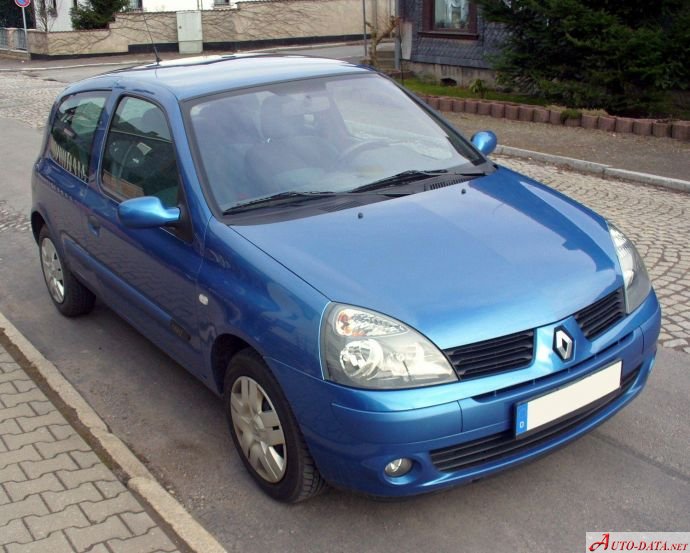
The Renault Clio II Phase III, produced from 2003 to 2006, represented a significant refresh of Renault’s popular supermini. Within this generation, the 3-door 1.5 dCi variant, boasting 101 horsepower, occupied a key position in the lineup, appealing to buyers seeking a balance of fuel efficiency, practicality, and reasonable performance. This model was part of the broader Clio II family (platform 1HX0/A3), which had established itself as a strong competitor in the European small car market. The 1.5 dCi 101 hp version aimed to provide a more engaging driving experience than the lower-powered diesel options while remaining more economical than the petrol-powered variants.
1.5 dCi (101 Hp) Powertrain & Engine Architecture
The heart of this Clio variant is the Renault K9K engine, a 1.5-liter inline four-cylinder diesel. This engine, a mainstay of Renault’s diesel offerings for many years, is characterized by its robust construction and relatively simple design. The K9K 101 hp version utilizes a second-generation common rail direct injection system, delivering fuel at extremely high pressure for optimized combustion. This system, supplied by Delphi, allowed for finer control over fuel delivery, resulting in improved efficiency and reduced emissions. The engine features an overhead camshaft (OHC) valvetrain with two valves per cylinder. A turbocharger with an intercooler is employed to boost power output, providing increased air intake to the engine. The intercooler cools the compressed air, further enhancing performance.
The engine’s specifications include a compression ratio of 18.8:1, indicative of its diesel nature. Bore and stroke dimensions are 76mm and 80.5mm respectively, resulting in a displacement of 1461 cm³ (89.16 cubic inches). Engine oil capacity is 5 liters (5.28 US quarts / 4.4 UK quarts), and the recommended coolant capacity is 7.5 liters (7.93 US quarts / 6.6 UK quarts). The engine is transversely mounted in the front of the vehicle, driving the front wheels.
Transmission
The 1.5 dCi 101 hp Clio was primarily equipped with a five-speed manual transmission. This gearbox was chosen for its durability and suitability for the engine’s torque characteristics. The gear ratios were tuned to provide a balance between acceleration and fuel economy. While an automatic transmission was available on some Clio II models, it was less common with the 1.5 dCi engine due to concerns about efficiency and the overall driving experience. The manual transmission allowed drivers to fully utilize the engine’s power band and maintain control in various driving conditions.
Driving Characteristics
The 1.5 dCi 101 hp Clio offered a noticeable step up in performance compared to the lower-powered diesel versions. While not a sports car, it provided sufficient power for everyday driving and even comfortable highway cruising. Acceleration from 0 to 100 km/h (0-62 mph) took approximately 10.6 seconds, and the top speed was around 185 km/h (114.95 mph). The engine’s 200 Nm (147.51 lb-ft) of torque, available from 1900 rpm, provided good low-end grunt, making it easy to navigate city traffic and overtake slower vehicles. The five-speed manual transmission allowed for precise gear changes, and the engine was relatively responsive throughout its rev range. Compared to the petrol-powered Clios, the 1.5 dCi offered superior fuel economy and torque, but lacked the higher-revving character and outright acceleration of the gasoline engines. The handling was typical of a small hatchback – nimble and easy to maneuver, but not particularly sporty.
Equipment & Trim Levels
The 1.5 dCi 101 hp Clio typically came with a reasonable level of standard equipment. This included power steering, central locking, electric front windows, and an anti-lock braking system (ABS). Interior upholstery was usually cloth, with a functional and durable design. The dashboard layout was typical of the Clio II, with a clear instrument cluster and logically placed controls. Optional extras included air conditioning, alloy wheels, a CD player, and metallic paint. Higher trim levels, such as the “Expression” or “Dynamique” variants, added features like rear electric windows, a trip computer, and upgraded interior trim. The 3-door configuration emphasized a slightly sportier aesthetic compared to the 5-door model.
Chassis & Braking
The Clio II utilized a McPherson strut independent suspension system at the front, providing a comfortable ride and good handling characteristics. The rear suspension employed a semi-independent beam with a stabilizer bar, offering a compromise between ride comfort and stability. Front brakes were ventilated discs, providing ample stopping power, while rear brakes were drums. This configuration was common for vehicles in this weight class and price range. The steering was a hydraulic rack and pinion system, offering precise and responsive control. Tire size was typically 185/55 R15, mounted on 6J x 15 inch steel or alloy wheels.
Market Reception & Comparison
The Renault Clio II 1.5 dCi 101 hp received generally positive reviews from automotive critics. It was praised for its fuel efficiency, comfortable ride, and practical interior. The engine was considered a good compromise between performance and economy, making it suitable for a wide range of drivers. However, some critics noted that the engine could be somewhat noisy and that the interior plastics were not of the highest quality. Compared to other small diesel hatchbacks of the time, such as the Peugeot 206 HDi and the Volkswagen Polo TDI, the Clio offered a competitive package in terms of price, fuel economy, and features. The Clio’s styling was also considered more modern and appealing than some of its rivals.
Technical Specifications
| Engine Type | 1.5L Inline-4 Diesel |
| Engine Code | K9K |
| Displacement | 1461 cm³ (89.16 cu in) |
| Power | 101 hp @ 4000 rpm |
| Torque | 200 Nm (147.51 lb-ft) @ 1900 rpm |
| Compression Ratio | 18.8:1 |
| Fuel Injection | Diesel Commonrail |
| Turbocharger | Yes, with Intercooler |
| Transmission | 5-Speed Manual |
| Drive Wheels | Front Wheel Drive |
| Kerb Weight | 980 kg (2160.53 lbs) |
| Maximum Speed | 185 km/h (114.95 mph) |
| 0-100 km/h | 10.6 sec |
| Fuel Consumption (Combined) | 4.3 l/100 km (54.7 US mpg / 65.7 UK mpg) |
| CO2 Emissions | 113 g/km |
| Fuel Tank Capacity | 50 l (13.21 US gal / 11 UK gal) |
Legacy
The Renault Clio II 1.5 dCi 101 hp powertrain proved to be relatively reliable, with many examples still on the road today. The K9K engine is known for its durability, and with regular maintenance, it can provide many years of service. Common issues include turbocharger wear and potential problems with the fuel injection system, but these are generally not major concerns. In the used car market, this variant of the Clio II remains a popular choice for buyers seeking an affordable, fuel-efficient, and practical small car. Its reputation for reliability and low running costs has helped to maintain its value over time. While newer cars offer more advanced features and improved performance, the Clio II 1.5 dCi 101 hp continues to represent a solid and dependable option for budget-conscious drivers.