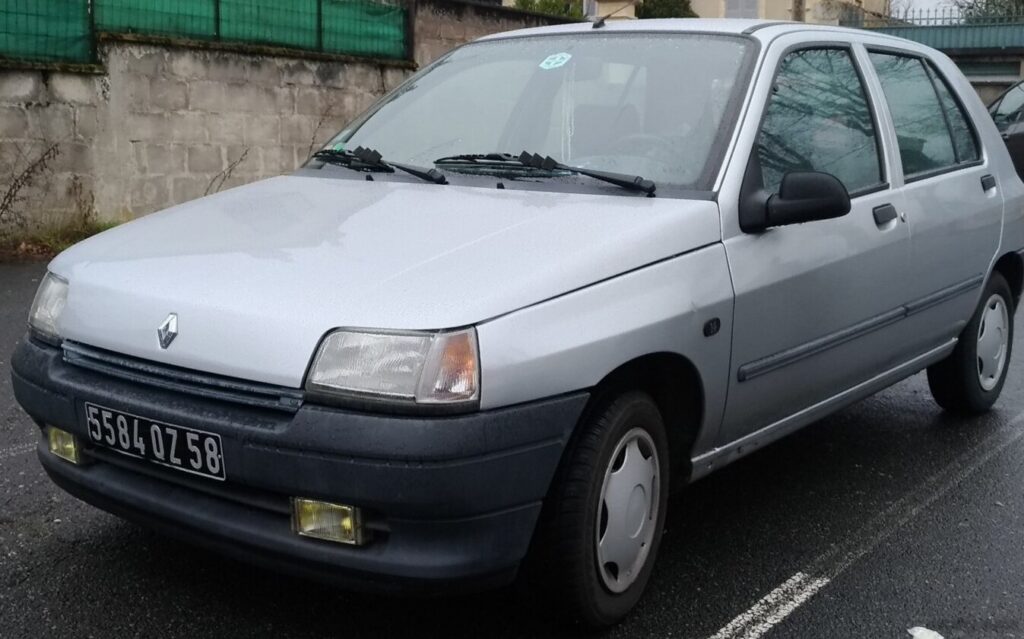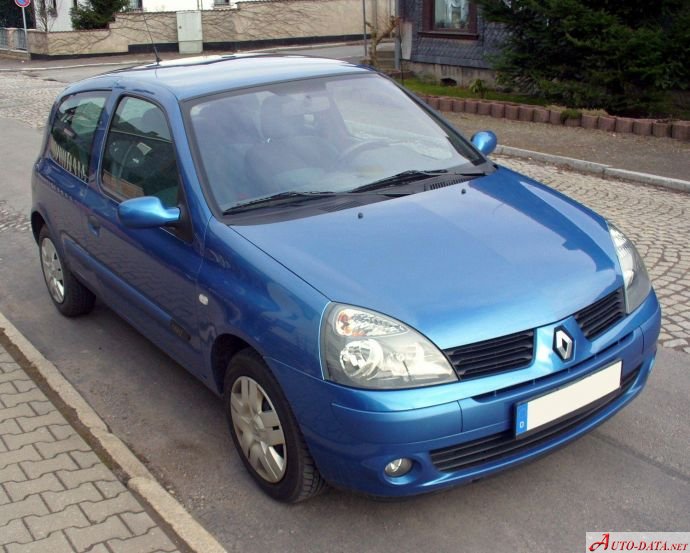
The Renault Clio II Phase III, produced from 2003 to 2006, represented a significant refresh of Renault’s popular supermini. Within the Phase III range, the 3-door 1.6 16V variant, producing 107 horsepower, occupied a mid-range position in the lineup. It offered a balance between performance and affordability, appealing to buyers seeking a more engaging driving experience than the base models, but without the higher price tag of the sportier versions. This model was built on the Renault 1HX0/B9K platform, shared with other small Renault and Nissan vehicles of the era.
The 1.6 16V Engine and its Role in the Clio II Lineup
The 1.6 16V engine, designated K4M by Renault, was a key component of the Clio II’s appeal. It provided a noticeable step up in performance compared to the lower-displacement 1.2 and 1.4 liter engines available in the range. While not as powerful as the later 2.0 liter 16V engines offered in the Clio Renault Sport models, the 1.6 16V offered a good compromise for everyday driving. It was positioned as a more mature and refined option than the entry-level models, attracting buyers who prioritized a more responsive engine and improved cruising ability. Compared to the diesel options, the 1.6 16V offered a more traditional driving experience with a quicker-revving nature and a more readily available powerband.
Powertrain & Engine Architecture
The K4M engine is a 1.6-liter (1598 cm3 or 97.52 cu. in.) inline four-cylinder gasoline engine. It features a double overhead camshaft (DOHC) valvetrain with four valves per cylinder, contributing to its relatively high power output for its displacement. The engine utilizes a multi-port fuel injection system, delivering fuel directly into the intake ports. This system, common for its time, provided a good balance between fuel efficiency and performance. The compression ratio is 10:1. Engine oil capacity is 4.9 liters (5.18 US qt | 4.31 UK qt) and requires a specification adhering to Renault standards. The engine is transversely mounted in the front of the vehicle, driving the front wheels.
The 1.6 16V Clio II typically came equipped with a five-speed manual transmission, however, an optional four-speed automatic transmission was also available. This automatic transmission, while offering convenience, was not known for its sportiness or efficiency. It featured a traditional torque converter design and was geared towards smooth, comfortable shifts rather than rapid acceleration. The automatic version, while popular with some buyers, generally resulted in slightly slower acceleration times and increased fuel consumption compared to the manual counterpart.
Driving Characteristics
The 1.6 16V Clio II offered a noticeably more spirited driving experience than the lower-powered variants. With 107 hp at 5750 rpm and 148 Nm (109.16 lb.-ft.) of torque at 3750 rpm, the engine provided sufficient power for confident overtaking and comfortable cruising on highways. The 0-100 km/h (0-62 mph) acceleration time was approximately 9.6 seconds, and 0-60 mph took around 9.1 seconds. While not a sports car, the 1.6 16V felt responsive and willing to rev. The manual transmission version allowed drivers to fully exploit the engine’s powerband, while the automatic version prioritized ease of use. The automatic transmission’s gear ratios were optimized for fuel economy and smooth operation, but at the expense of outright performance. The car’s relatively light weight (around 1000 kg or 2204.62 lbs) contributed to its nimble handling.
Equipment & Trim Levels
The 1.6 16V Clio II Phase III was generally well-equipped for its class. Standard features typically included power steering, central locking, electric front windows, and an anti-lock braking system (ABS). Interior upholstery was typically cloth, with a relatively simple but functional dashboard layout. Higher trim levels, such as the “Expression” or “Dynamique” variants, added features like air conditioning, alloy wheels, a CD player, and upgraded interior trim. Optional extras included a sunroof, metallic paint, and upgraded audio systems. The 3-door configuration emphasized a sportier aesthetic compared to the 5-door model.
Chassis & Braking
The Clio II utilized an independent McPherson strut suspension system at the front, providing good handling and ride comfort. The rear suspension employed a semi-independent beam axle with a stabilizer bar, offering a balance between stability and cost-effectiveness. The front brakes were ventilated discs, providing good stopping power, while the rear brakes were drums. This combination was typical for vehicles in this weight class and price range. The steering was a hydraulic rack and pinion system, offering precise and responsive control. Tire size was typically 185/55 R15, mounted on 6J x 15 inch wheels.
Market Reception & Comparison
The 1.6 16V Clio II was generally well-received by automotive critics. It was praised for its responsive engine, nimble handling, and relatively affordable price. However, the optional automatic transmission was often criticized for its sluggish performance and lack of refinement. Compared to other vehicles in its class, such as the Ford Fiesta and Volkswagen Polo, the Clio II offered a stylish design and a comfortable interior. Fuel economy was respectable, with combined fuel consumption figures around 7.2 l/100 km (32.7 US mpg or 39.2 UK mpg). Reliability was generally good, although some owners reported minor issues with the electrical system. The 1.6 16V offered a better balance of performance and economy than the more powerful 2.0 liter models, making it a popular choice for buyers seeking a practical and enjoyable supermini.
Technical Specifications
| Brand | Renault |
| Model | Clio |
| Generation | Clio II (Phase III, 2003) |
| Engine Type | 1.6 16V (107 Hp) |
| Production Years | 2003-2006 |
| Body Type | Hatchback |
| Number of Doors | 3 |
| Fuel Consumption (Urban) | 9.5 l/100 km (24.8 US mpg) |
| Fuel Consumption (Extra Urban) | 5.9 l/100 km (39.9 US mpg) |
| Fuel Consumption (Combined) | 7.2 l/100 km (32.7 US mpg) |
| CO2 Emissions | 170 g/km |
| Fuel Type | Petrol (Gasoline) |
| Acceleration 0-100 km/h | 9.6 sec |
| Acceleration 0-62 mph | 9.6 sec |
| Maximum Speed | 193 km/h (119.92 mph) |
| Engine Displacement | 1598 cm3 (97.52 cu. in.) |
| Engine Power | 107 Hp @ 5750 rpm |
| Engine Torque | 148 Nm @ 3750 rpm (109.16 lb.-ft.) |
| Kerb Weight | 1000 kg (2204.62 lbs) |
| Fuel Tank Capacity | 50 l (13.21 US gal) |
| Trunk Space (Minimum) | 255 l (9.01 cu. ft.) |
| Trunk Space (Maximum) | 1037 l (36.62 cu. ft.) |
Legacy
The Renault Clio II 1.6 16V remains a relatively common sight on European roads today. The K4M engine is known for its durability and relatively low maintenance costs, making it a popular choice among used car buyers. While not particularly exciting, the 1.6 16V powertrain offers a reliable and economical means of transportation. The automatic transmission versions, however, tend to command lower prices due to their less desirable driving characteristics. Parts availability is generally good, and the Clio II benefits from a large and active online community. Overall, the 1.6 16V Clio II Phase III represents a solid and dependable supermini that continues to provide affordable motoring for many drivers.