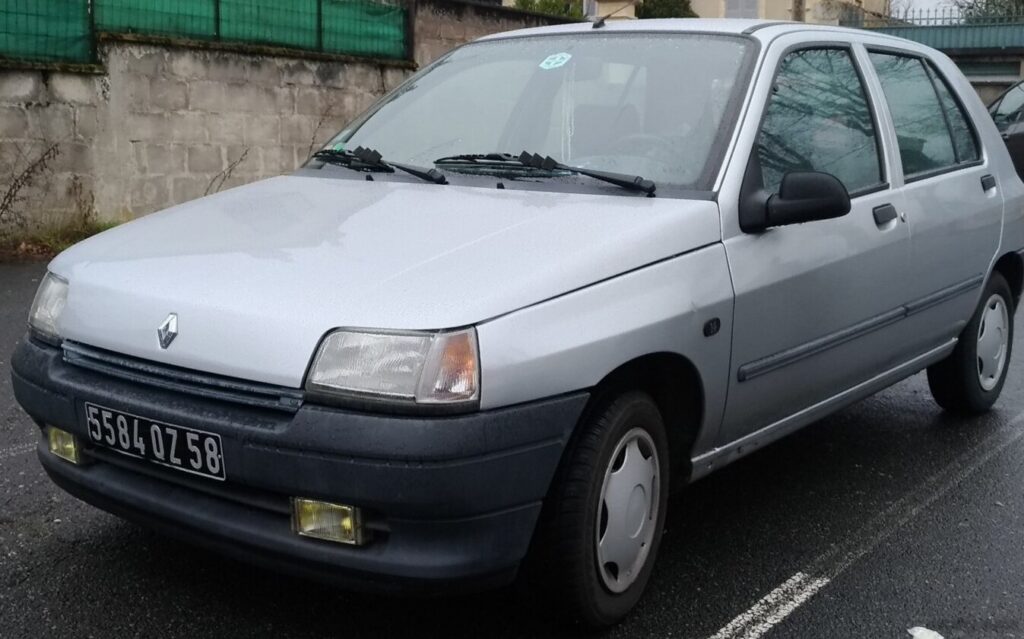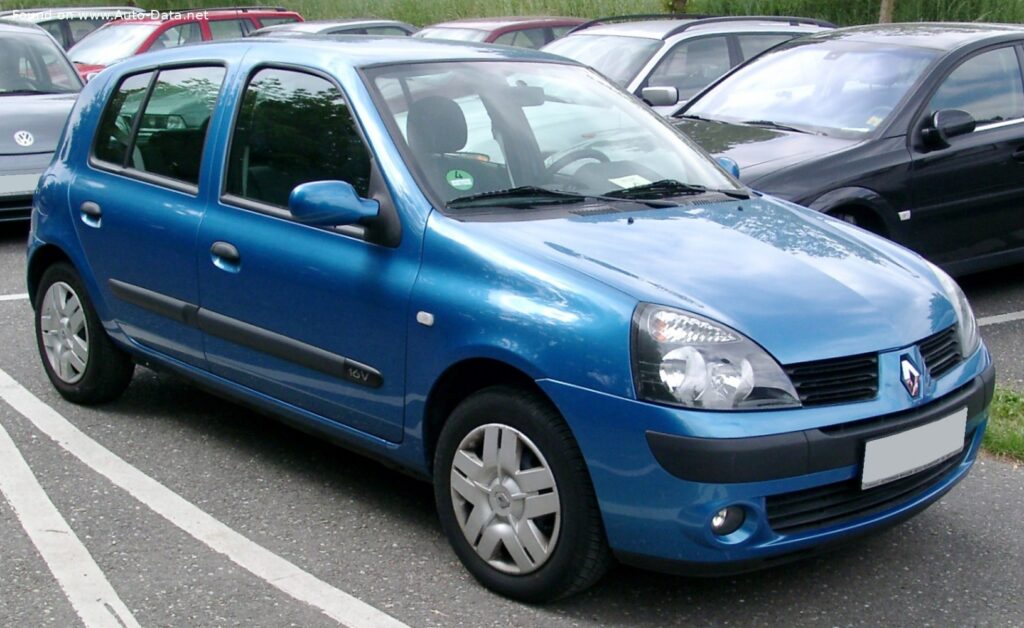
The Renault Clio II Phase III, produced from 2003 to 2006, represented a significant refresh of Renault’s popular supermini. Within the Phase III range, the 5-door 1.2 16V model, producing 75 horsepower, served as a core offering, positioned as an entry-level to mid-range variant. This version aimed to provide affordable and economical transportation for families and individuals, balancing practicality with reasonable performance. It was built on the Renault 1HX0/A3 platform, shared with other Renault models of the era, and represented a key part of Renault’s sales volume during its production run.
The 1.2 16V Engine and Powertrain
The heart of this Clio variant is the Renault D4F engine, a 1.2-liter (1149 cc) inline-four cylinder gasoline engine. This engine utilizes a multi-port fuel injection system and a double overhead camshaft (DOHC) valvetrain with four valves per cylinder – hence the “16V” designation. The D4F engine was known for its relatively simple design and robust construction, contributing to its reliability. It produced a maximum power output of 75 hp (56 kW) at 5500 rpm and a torque of 105 Nm (77.44 lb-ft) at 3500 rpm. The engine’s power-to-liter ratio was 65.3 hp/liter.
The 1.2 16V engine was typically paired with a five-speed manual transmission, however, a four-speed automatic transmission was also offered, and is the focus of this article. This automatic gearbox, while providing ease of use, was a conventional hydraulic automatic and not known for its particularly quick shifts or fuel efficiency compared to the manual counterpart. The automatic transmission’s gear ratios were geared towards economy and smooth operation rather than outright performance. First gear was relatively short for easy acceleration from a standstill, while higher gears were taller to maximize fuel economy during cruising.
Engine Code and Technical Details
The D4F engine code is crucial for identifying specific parts and service information. The engine features a compression ratio of 9.8:1. Bore and stroke dimensions are 69 mm (2.72 in) and 76.8 mm (3.02 in) respectively. Engine oil capacity is 4 liters (4.23 US qt / 3.52 UK qt), and the coolant capacity is 5 liters (5.28 US qt / 4.4 UK qt). The engine is transversely mounted in the front of the vehicle.
Driving Characteristics
The 1.2 16V automatic Clio offered a comfortable, if not particularly exciting, driving experience. Acceleration from 0-100 km/h (0-62 mph) took approximately 13 seconds, and 0-60 mph was achieved in around 12.4 seconds. The top speed was 170 km/h (105.63 mph). Compared to the more powerful 1.4 16V or 1.6 16V variants, the 1.2 felt noticeably slower, especially when fully loaded or tackling inclines. The automatic transmission, while convenient, contributed to this slower feel, as it lacked the responsiveness of a manual gearbox. However, for urban driving and commuting, the 1.2 16V automatic provided adequate performance and a smooth ride.
The automatic transmission’s shift points were programmed for fuel efficiency, meaning the engine often operated at lower RPMs during cruising. This contributed to good fuel economy, but could sometimes feel sluggish when attempting to overtake or accelerate quickly. The steering was light and easy, making it maneuverable in city traffic, and the suspension provided a reasonably comfortable ride, absorbing most bumps and imperfections in the road surface.
Equipment and Trim Levels
The 1.2 16V automatic Clio typically came equipped with a reasonable level of standard features. These included power steering, central locking, electric front windows, and an adjustable steering column. Safety features included ABS (Anti-lock Braking System) and driver and passenger airbags. Interior upholstery was typically cloth, with a simple and functional dashboard layout.
Optional extras available for this trim level included air conditioning, alloy wheels, a CD player, and rear electric windows. Higher trim levels, such as the “Expression” or “Dynamique” variants, added more features as standard, such as air conditioning, alloy wheels, and upgraded interior trim. The 5-door configuration offered increased practicality compared to the 3-door model, making it a popular choice for families.
Chassis and Braking
The Clio II Phase III utilized an independent McPherson strut suspension system at the front, providing good handling and ride comfort. The rear suspension employed a semi-independent beam with a stabilizer bar, which helped to reduce body roll during cornering. The front brakes were ventilated discs, offering good stopping power, while the rear brakes were drums. This combination was typical for vehicles in this weight class and price range. The steering system was a rack and pinion type with hydraulic power assistance, providing light and precise steering feel.
Tire sizes varied depending on the trim level, with 175/65 R14 and 185/55 R15 being common options. Wheel rim sizes were typically 5.5J x 14 or 6J x 15. The curb weight of the 1.2 16V automatic Clio was approximately 965 kg (2127.46 lbs), and the maximum permissible weight was 1510 kg (3328.98 lbs).
Market Reception and Comparison
The 1.2 16V automatic Clio was generally well-received by critics as a practical and economical city car. It was praised for its fuel efficiency, comfortable ride, and ease of use. However, it was also criticized for its lack of performance and the somewhat dated feel of the automatic transmission. Compared to other superminis of the time, such as the Ford Fiesta or Volkswagen Polo, the Clio offered a good balance of features and affordability.
Fuel economy figures were respectable, with combined fuel consumption averaging around 5.9 l/100 km (39.9 US mpg / 47.9 UK mpg). CO2 emissions were 139 g/km, placing it within the Euro 3 emission standard. The manual transmission version of the 1.2 16V offered slightly better fuel economy and performance, but the automatic version appealed to drivers who prioritized convenience over outright driving enjoyment.
Technical Specifications
| Brand | Renault |
| Model | Clio II Phase III |
| Engine | 1.2 16V |
| Displacement | 1149 cm3 (70.12 cu. in.) |
| Power | 75 hp @ 5500 rpm |
| Torque | 105 Nm @ 3500 rpm (77.44 lb-ft) |
| Transmission | 4-speed Automatic |
| Drive | Front Wheel Drive |
| Fuel Consumption (Urban) | 7.8 l/100 km (30.2 US mpg) |
| Fuel Consumption (Extra Urban) | 4.9 l/100 km (48 US mpg) |
| Fuel Consumption (Combined) | 5.9 l/100 km (39.9 US mpg) |
| CO2 Emissions | 139 g/km |
| Curb Weight | 965 kg (2127.46 lbs) |
| Maximum Speed | 170 km/h (105.63 mph) |
| 0-100 km/h | 13 sec |
| Fuel Tank Capacity | 50 l (13.21 US gal) |
| Trunk Space (Min) | 255 l (9.01 cu. ft.) |
| Trunk Space (Max) | 1037 l (36.62 cu. ft.) |
Legacy
The Renault Clio II, including the 1.2 16V automatic variant, proved to be a reliable and durable vehicle. The D4F engine, while not particularly powerful, was known for its longevity and relatively low maintenance costs. Common issues included occasional problems with the throttle body and sensors, but these were generally inexpensive to repair.
In the used car market today, the 1.2 16V automatic Clio represents an affordable and practical option for those seeking a small, economical hatchback. While it may not offer the performance or refinement of more modern vehicles, it remains a capable and reliable choice for city driving and commuting. Parts availability is generally good, and the relatively simple mechanical design makes it accessible for DIY repairs. However, potential buyers should be aware of the age of the vehicle and the potential for wear and tear on components such as the suspension and brakes.