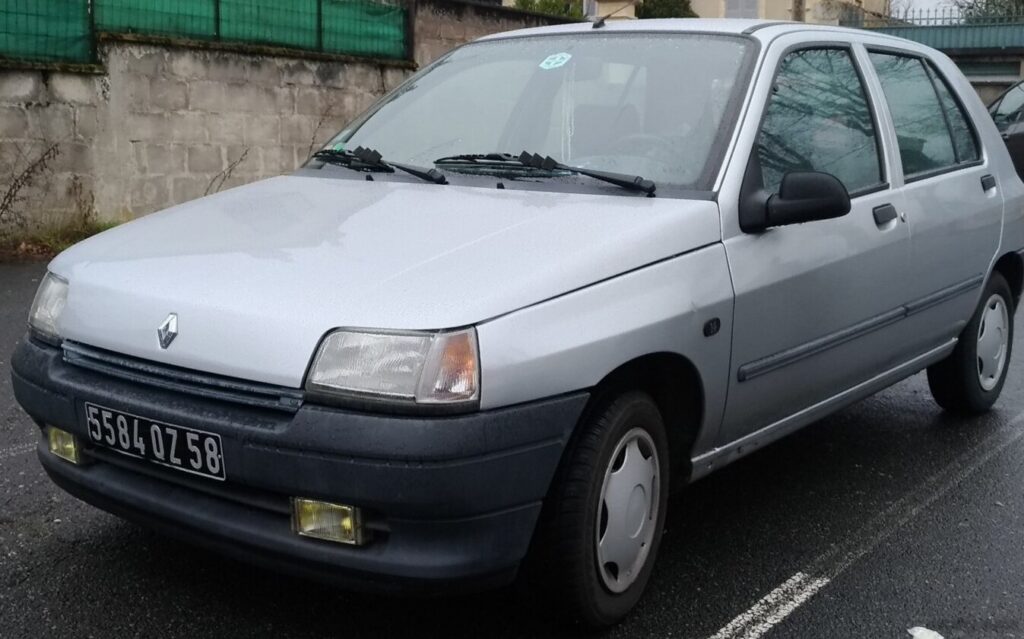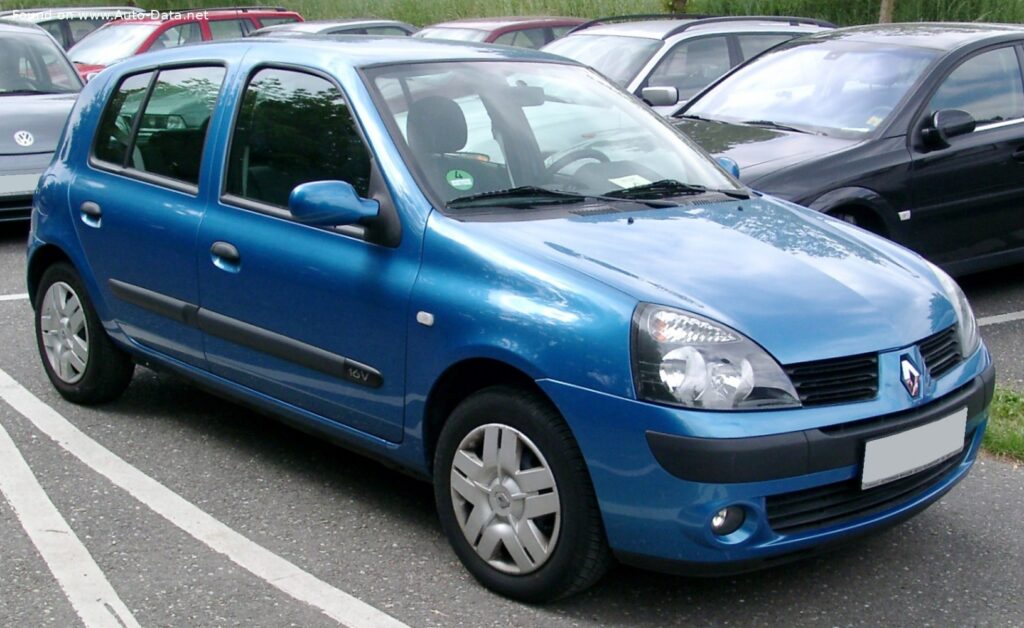
The Renault Clio II Phase III (2003-2006) 5-door 1.5 dCi 101 hp variant represented a significant offering in the European subcompact hatchback segment. Introduced as part of the Clio II’s final iteration, this model combined a fuel-efficient diesel engine with a practical five-door body style, aiming to appeal to buyers seeking economy and versatility. It was positioned as a mid-range option within the Clio II lineup, offering more performance and refinement than the base models while remaining more accessible than the sportier or higher-trim versions.
Renault Clio II Phase III 1.5 dCi: An Overview
The Clio II, produced from 1998 to 2012, was a cornerstone of Renault’s success, known for its stylish design and robust engineering. The Phase III update, launched in 2003, brought revised styling, improved safety features, and updated engine options. The 1.5 dCi 101 hp model was a key part of this refresh, utilizing Renault’s modern diesel technology to deliver a compelling blend of performance and fuel economy. This variant was particularly popular in European markets where diesel engines were favored due to tax incentives and fuel costs.
Positioning in the Clio II Lineup
Within the Clio II Phase III range, the 1.5 dCi 101 hp model occupied a middle ground. Lower trims featured smaller displacement gasoline engines with lower horsepower outputs, targeting budget-conscious buyers. Higher-end trims offered more powerful gasoline engines or the more expensive and performance-oriented 1.9 dCi engine. The 1.5 dCi 101 hp struck a balance, providing adequate power for everyday driving while maintaining excellent fuel efficiency, making it a popular choice for families and commuters.
Powertrain & Engine Architecture
The heart of this Clio variant is the Renault K9K 740 1.5-liter inline-four cylinder diesel engine. This engine is a common-rail direct injection (CDI) diesel, meaning fuel is injected directly into the combustion chamber at extremely high pressure. This technology, coupled with a turbocharger and intercooler, allows for increased power output and improved fuel efficiency. The engine produces 101 horsepower (75 kW) at 4000 rpm and 200 Nm (147.51 lb-ft) of torque at 1900 rpm. The engine features a single overhead camshaft (OHC) valvetrain with two valves per cylinder.
The engine’s block is constructed from cast iron, providing durability, while the cylinder head is made of aluminum to reduce weight. The K9K engine is known for its relatively simple design, contributing to its reliability. The fuel injection system utilizes Delphi components, delivering precise fuel metering for optimal combustion. The turbocharger is a variable geometry turbo (VGT), which adjusts the turbine vanes to optimize boost pressure across the engine’s operating range.
The engine was typically paired with a five-speed manual transmission, however, a four-speed automatic transmission was also available, though less common. The automatic transmission, while offering convenience, generally resulted in slightly lower fuel economy and a less engaging driving experience compared to the manual.
Driving Characteristics
The 1.5 dCi 101 hp Clio II offered a surprisingly capable driving experience for a subcompact hatchback. The 200 Nm of torque available from 1900 rpm provided ample pulling power for everyday driving situations, including overtaking and climbing hills. While not a particularly fast car – 0-62 mph takes approximately 10.6 seconds – it felt responsive and willing. The five-speed manual transmission allowed drivers to keep the engine in its optimal power band, maximizing performance.
The automatic transmission, while smooth, did detract somewhat from the driving experience. Gear changes were not always as crisp as with the manual, and the transmission sometimes hesitated when requesting sudden acceleration. However, it provided a more relaxed driving experience, particularly in urban traffic. The Clio II’s suspension provided a comfortable ride, absorbing bumps and imperfections in the road well. The steering was light and precise, making it easy to maneuver in tight spaces.
Equipment & Trim Levels
The 1.5 dCi 101 hp Clio II Phase III typically came equipped with a reasonable level of standard features. These included power steering, central locking, electric front windows, and an adjustable steering column. Safety features included ABS brakes and driver and passenger airbags. Higher trim levels, such as the “Expression” or “Dynamique” variants, added features like air conditioning, alloy wheels, a CD player, and rear electric windows. Optional extras included a sunroof, metallic paint, and upgraded upholstery.
Interior upholstery was typically cloth, with a dark color scheme. The dashboard layout was functional and straightforward, with easy-to-read gauges and controls. The seats provided adequate support for both front and rear passengers. The five-door body style offered easy access to the rear seats and a practical cargo area.
Chassis & Braking
The Clio II Phase III utilized a McPherson strut front suspension with a coil spring and anti-roll bar. The rear suspension was a semi-independent beam with a stabilizer bar, providing a good balance of ride comfort and handling. The front brakes were ventilated discs, offering good stopping power, while the rear brakes were drums. This configuration was typical for vehicles in this weight class at the time.
The steering system was a rack and pinion type with hydraulic power assistance, providing a light and responsive feel. The tires were typically 185/55 R15, offering a good compromise between grip and fuel efficiency. The Clio II’s chassis was relatively lightweight, contributing to its nimble handling characteristics.
Market Reception & Comparison
The Renault Clio II 1.5 dCi 101 hp was generally well-received by automotive critics. It was praised for its fuel efficiency, comfortable ride, and practical interior. However, some critics noted that the engine could be somewhat noisy and that the automatic transmission was not as refined as some of its competitors. Compared to the higher-output 1.9 dCi version, the 1.5 dCi offered a more affordable entry point into the Clio II range, albeit with slightly less performance.
In terms of fuel economy, the 1.5 dCi 101 hp excelled, achieving combined fuel consumption figures of around 4.3 l/100 km (54.7 US mpg). This made it one of the most fuel-efficient cars in its class. Reliability was generally good, although some owners reported issues with the turbocharger and fuel injection system. Overall, the 1.5 dCi 101 hp Clio II represented a compelling value proposition for buyers seeking a practical and economical subcompact hatchback.
Technical Specifications
| Engine Type | 1.5 L Inline-4 Diesel |
| Engine Code | K9K 740 |
| Displacement | 1461 cc (89.16 cu in) |
| Power | 101 hp @ 4000 rpm |
| Torque | 200 Nm (147.51 lb-ft) @ 1900 rpm |
| Fuel System | Diesel Commonrail |
| Turbocharger | Variable Geometry Turbo (VGT) |
| Transmission | 5-speed Manual or 4-speed Automatic |
| Drive Wheels | Front Wheel Drive |
| Curb Weight | 1000 kg (2204.62 lbs) |
| Maximum Speed | 185 km/h (114.95 mph) |
| 0-100 km/h | 10.6 seconds |
| Fuel Consumption (Combined) | 4.3 l/100 km (54.7 US mpg) |
| CO2 Emissions | 113 g/km |
| Fuel Tank Capacity | 50 L (13.21 US gal) |
| Length | 3811 mm (150.04 in) |
| Width | 1639 mm (64.53 in) |
| Height | 1417 mm (55.79 in) |
Legacy
The Renault Clio II 1.5 dCi 101 hp powertrain has proven to be relatively durable, with many examples still on the road today. The K9K engine is known for its longevity, although regular maintenance is essential to prevent issues with the turbocharger and fuel injection system. In the used car market, this variant remains a popular choice due to its fuel efficiency and affordability. However, potential buyers should be aware of the age of the vehicle and the potential for wear and tear on components such as the suspension and brakes. The Clio II 1.5 dCi 101 hp represents a solid and practical choice for those seeking a reliable and economical subcompact hatchback.