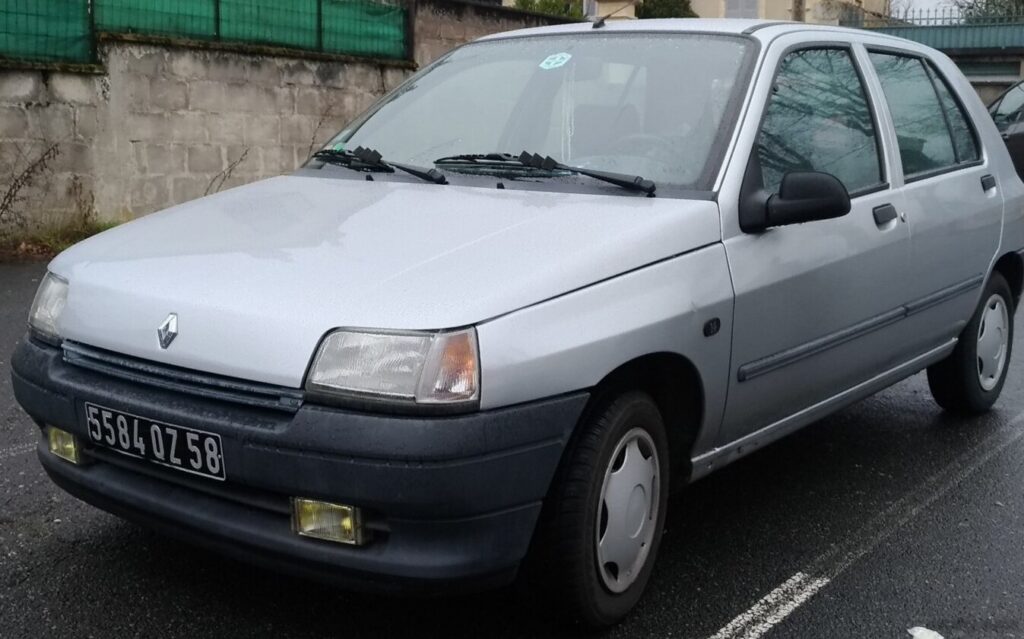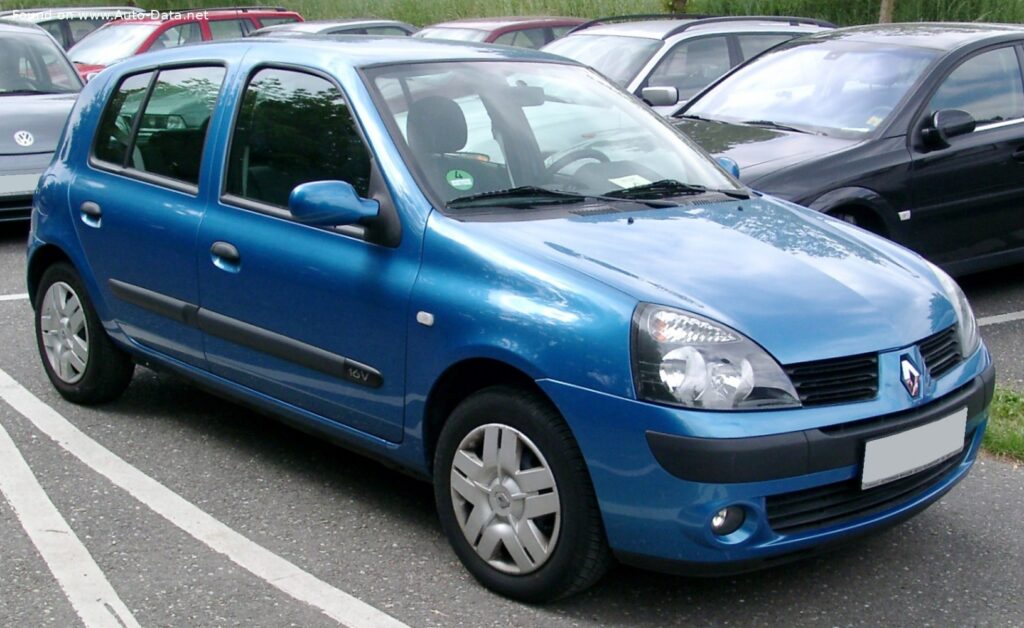
The Renault Clio II Phase III, produced from 2003 to 2006, represented a significant refresh of Renault’s popular supermini. Within the Phase III range, the 5-door 1.6 16V variant, producing 107 horsepower, occupied a middle ground in the lineup. Positioned above the base 1.2 and 1.4 liter engines, it offered a noticeable performance upgrade while remaining more affordable than the sportier Clio Renault Sport models. This version aimed to appeal to buyers seeking a practical, well-equipped hatchback with a degree of driving enjoyment. The Clio II itself was built upon the 1HX0/A3 platform, shared with other Renault and Nissan models, providing a solid foundation for its compact dimensions and efficient packaging.
The 1.6 16V Engine and Powertrain
The heart of this Clio variant is the Renault K4M engine, a 1.6-liter inline-four cylinder gasoline engine. This engine, a mainstay in Renault’s lineup for many years, is known for its relative simplicity and durability. The ‘16V’ designation indicates a dual overhead camshaft (DOHC) valvetrain, featuring four valves per cylinder. This configuration enhances breathing and contributes to the engine’s respectable power output. Fuel delivery is managed by a multi-port fuel injection system, providing precise fuel metering for optimal combustion.
The K4M engine in this application produces 107 hp at 5750 rpm and 148 Nm (109.16 lb-ft) of torque at 3750 rpm. While not a high-revving powerhouse, the engine delivers a usable amount of torque across a broad rev range, making it suitable for everyday driving. The engine’s displacement is 1598 cm³ (97.52 cu. in.), with a bore of 79.5 mm (3.13 in.) and a stroke of 80.5 mm (3.17 in.). It features a compression ratio of 10:1. The engine oil capacity is 4.9 liters (5.18 US qt | 4.31 UK qt), and the cooling system requires 6.2 liters (6.55 US qt | 5.46 UK qt) of coolant.
The 1.6 16V engine was typically paired with a five-speed manual transmission, however, a four-speed automatic transmission was also offered. This article focuses on the automatic variant. While the automatic transmission provided convenience, it did impact performance and fuel economy compared to the manual gearbox. The automatic transmission’s gear ratios were optimized for smooth cruising and acceptable acceleration, but it lacked the responsiveness and driver engagement of a manual.
Engine Code and Variations
The K4M engine family encompasses several variations, but the specific code used in the 2003-2006 Clio II 1.6 16V is crucial for identifying parts and service requirements. While variations exist based on market and emissions regulations, the core engine architecture remained consistent.
Driving Characteristics
The Renault Clio II 1.6 16V Automatic offered a comfortable and refined driving experience, particularly for urban and suburban commuting. Acceleration from 0-100 km/h (0-62 mph) took approximately 9.6 seconds, and 0-60 mph was achieved in around 9.1 seconds. While these figures weren’t particularly sporty, they were adequate for most driving situations. The automatic transmission, while smooth, did contribute to a slight reduction in responsiveness compared to the manual version.
The engine’s torque delivery was linear, providing predictable power throughout the rev range. The automatic transmission’s shift points were generally well-chosen, but could sometimes feel hesitant during quick acceleration maneuvers. The Clio’s relatively lightweight construction (1020 kg / 2248.72 lbs kerb weight) helped to mitigate the performance impact of the automatic transmission. Overall, the driving experience was characterized by ease of use and a comfortable ride, rather than outright performance.
Equipment & Trim Levels
The 1.6 16V variant of the Clio II Phase III typically came equipped with a reasonable level of standard features. These included power steering, central locking, electric front windows, and an adjustable steering column. Air conditioning was often included as standard, or available as an option. Interior upholstery was typically cloth, with a functional and durable design. The dashboard layout was straightforward and user-friendly, with clearly labeled controls.
Optional extras included alloy wheels, a CD player, and upgraded interior trim. Higher trim levels, such as the ‘Expression’ or ‘Dynamique’ variants, added features like rear electric windows, a trip computer, and more sophisticated audio systems. Safety features included ABS (Anti-lock Braking System) and driver and passenger airbags. The 5-door configuration provided enhanced practicality and accessibility compared to the 3-door model.
Chassis & Braking
The Clio II utilized a McPherson strut front suspension system, providing a comfortable ride and predictable handling. The rear suspension employed a semi-independent beam with a stabilizer bar, offering a good balance between ride comfort and stability. The front brakes were ventilated discs, providing ample stopping power, while the rear brakes were drums. This combination was adequate for the car’s weight and performance characteristics.
The steering was rack and pinion, with hydraulic power assistance, providing a light and responsive feel. Tire size was typically 185/55 R15, mounted on 6J x 15 inch wheel rims. The Clio’s suspension setup was tuned for comfort, but it also provided reasonable handling characteristics, making it enjoyable to drive on winding roads.
Market Reception & Comparison
The Renault Clio II 1.6 16V Automatic was generally well-received by automotive critics. It was praised for its comfortable ride, practical interior, and reasonable performance. However, the automatic transmission was often criticized for its lack of responsiveness compared to the manual gearbox. Fuel economy was considered acceptable, with combined fuel consumption figures of around 7.2 l/100 km (32.7 US mpg / 39.2 UK mpg).
Compared to other trims in the Clio II lineup, the 1.6 16V Automatic offered a significant performance upgrade over the base 1.2 and 1.4 liter engines. However, it was less fuel-efficient and more expensive than those models. It also lacked the sporty appeal of the Clio Renault Sport variants. In terms of reliability, the K4M engine was generally considered to be durable and reliable, but regular maintenance was essential to prevent issues.
Technical Specifications
| Brand | Renault |
| Model | Clio II Phase III |
| Engine Type | 1.6 16V (Gasoline) |
| Engine Code | K4M |
| Displacement | 1598 cm³ (97.52 cu. in.) |
| Power | 107 hp @ 5750 rpm |
| Torque | 148 Nm (109.16 lb-ft) @ 3750 rpm |
| Transmission | 4-speed Automatic |
| Drive | Front Wheel Drive |
| Kerb Weight | 1020 kg (2248.72 lbs) |
| Maximum Speed | 195 km/h (121.17 mph) |
| 0-100 km/h | 9.6 sec |
| Fuel Consumption (Combined) | 7.2 l/100 km (32.7 US mpg / 39.2 UK mpg) |
| CO2 Emissions | 170 g/km |
| Fuel Tank Capacity | 50 l (13.21 US gal | 11 UK gal) |
| Length | 3811 mm (150.04 in) |
| Width | 1639 mm (64.53 in) |
| Height | 1417 mm (55.79 in) |
Legacy
The Renault Clio II 1.6 16V Automatic, while not the most exciting variant in the lineup, remains a popular choice in the used car market. The K4M engine is known for its reliability and relatively low maintenance costs. However, as with any older vehicle, potential buyers should be aware of common issues, such as oil leaks and worn suspension components. The automatic transmission, while convenient, may require more frequent servicing than the manual gearbox. Overall, the Clio II 1.6 16V Automatic offers a practical and affordable option for buyers seeking a reliable and comfortable supermini.
The Clio II, as a whole, cemented Renault’s reputation for building well-rounded and affordable vehicles. The 1.6 16V variant, in particular, provided a good balance of performance, economy, and practicality, making it a popular choice for a wide range of drivers. Its enduring presence on the used car market is a testament to its overall quality and durability.