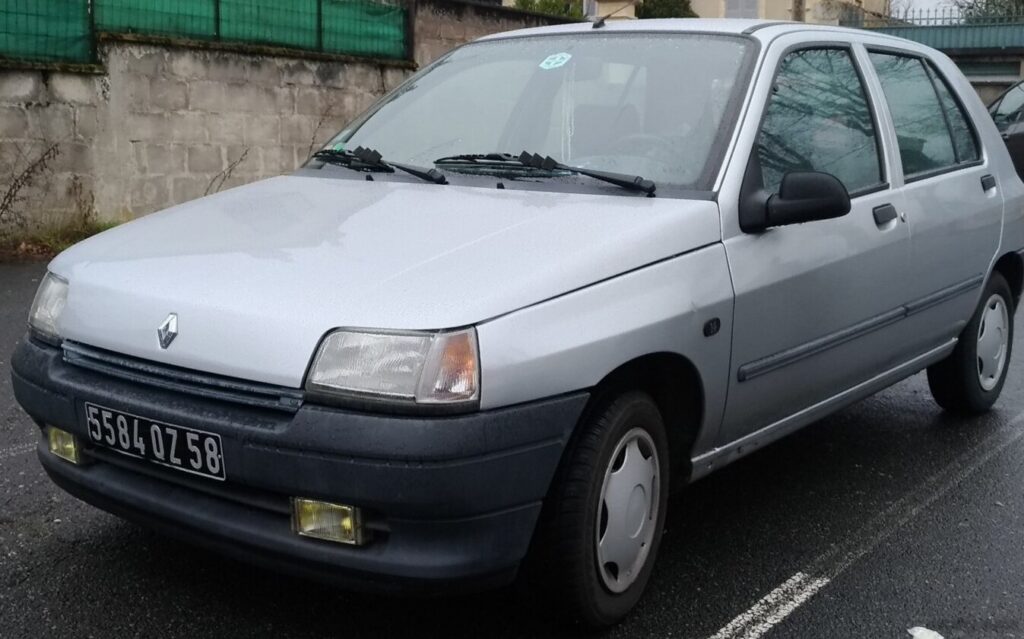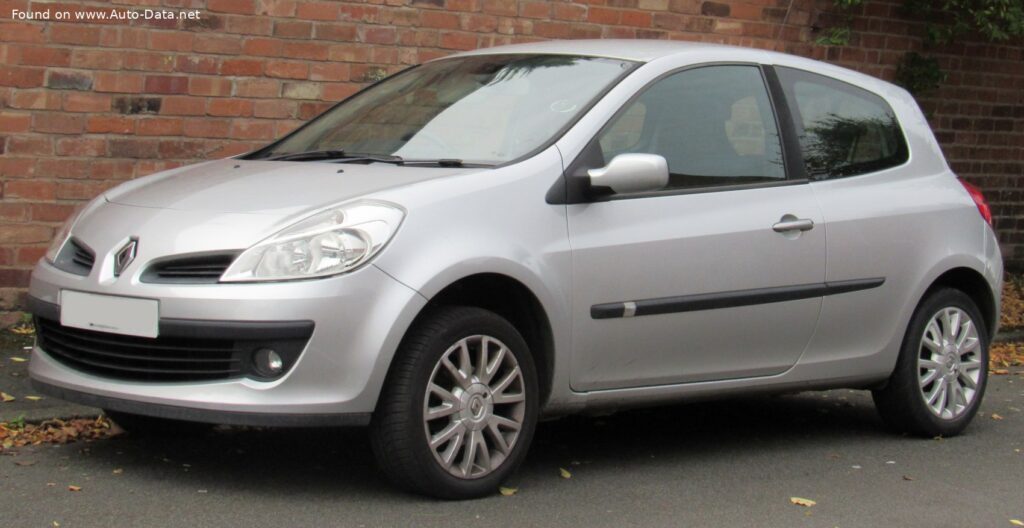
The Renault Clio III Phase I 3-door 1.2 8V (59 hp) was an entry-level variant of the third-generation Clio, produced between 2005 and 2009. Positioned as the most affordable option in the range, it served as a practical and economical choice for urban commuters and first-time car buyers. This model was built on the Renault-Nissan B platform (also known as the 1HX0 platform), shared with other small Renault and Nissan vehicles. The 3-door body style offered a sportier aesthetic compared to the 5-door version, appealing to a slightly younger demographic. It represented a significant update over the previous Clio II, with improvements in safety, interior quality, and overall refinement.
Powertrain & Engine Architecture
The heart of the Clio III 1.2 8V was the Renault D7F engine, a 1.149-liter (70.12 cubic inches) inline-four cylinder petrol engine. This engine, a mainstay in Renault’s lineup for many years, featured a cast iron block and an aluminum cylinder head. It utilized a single overhead camshaft (SOHC) design operating two valves per cylinder. Fuel delivery was managed by a multi-port fuel injection system, providing adequate, though not exceptional, performance. The D7F engine produced a maximum power output of 59 horsepower (44 kW) at 5250 rpm and 93 Nm (68.59 lb-ft) of torque at 2500 rpm. The engine’s compression ratio was 9.8:1. Engine oil capacity was 4 liters (4.23 US quarts), and coolant capacity was 5 liters (5.28 US quarts).
The 1.2 8V engine was typically paired with a five-speed manual transmission. However, an optional four-speed automatic transmission was available, though less common. This automatic gearbox, a Renault-sourced unit, was known for its smooth operation but contributed to slightly slower acceleration and reduced fuel economy compared to the manual version. The transmission was a conventional hydraulic automatic, lacking the more advanced features found in some contemporary automatic gearboxes.
Engine Code & Variations
The D7F engine code encompasses several minor variations. While the core architecture remained consistent, slight differences in fuel injection mapping and other components existed depending on the specific production year and market. These variations generally didn’t result in significant performance differences, but understanding the specific engine code could be useful for sourcing replacement parts.
Driving Characteristics
The Clio III 1.2 8V offered modest performance, prioritizing fuel efficiency over outright speed. Acceleration from 0 to 100 km/h (0-62 mph) took approximately 15 seconds, and top speed was limited to 158 km/h (98.18 mph). The engine felt somewhat strained at higher speeds, particularly when fully loaded or climbing hills. The power delivery was linear, but the limited horsepower meant that overtaking maneuvers required careful planning. The five-speed manual transmission allowed drivers to keep the engine in its optimal power band, while the four-speed automatic, while convenient, resulted in more noticeable engine drone during acceleration.
Handling was generally considered safe and predictable, with a focus on comfort rather than sporty dynamics. The steering was light and easy to use, making it well-suited for city driving. The suspension, tuned for ride comfort, absorbed bumps and imperfections in the road reasonably well. Compared to higher-spec Clios with larger engines (like the 1.6 16V or the diesel variants), the 1.2 8V felt noticeably less responsive and lacked the same level of driving engagement.
Equipment & Trim Levels
The Clio III 1.2 8V typically came with a basic level of equipment, reflecting its position as the entry-level model. Standard features generally included power steering, central locking, front airbags, and an adjustable steering column. Interior upholstery was typically cloth, and the dashboard featured a simple, functional design. Air conditioning was often an optional extra, as were features like electric windows and a radio/CD player. Trim levels varied slightly depending on the market, but generally followed a progressive structure, with higher trims adding more comfort and convenience features.
Optional extras included alloy wheels, metallic paint, and upgraded audio systems. Some markets also offered a “Campus” trim level, which added a few extra features aimed at younger buyers. The interior plastics, while durable, were relatively basic in terms of texture and design.
Chassis & Braking
The Clio III 1.2 8V utilized a front-wheel-drive layout with a MacPherson strut suspension at the front and a coil spring suspension at the rear. The front brakes were ventilated discs, providing adequate stopping power, while the rear brakes were drums. This combination was typical for vehicles in this weight class and price range. The steering system was a rack and pinion type with electric power assistance. Tire size was typically 175/65 R14, mounted on 14-inch steel or alloy wheels.
The chassis was designed to prioritize safety and comfort. While not particularly sporty, it provided a stable and predictable driving experience. The relatively lightweight construction of the vehicle helped to offset the limited engine power.
Market Reception & Comparison
The Clio III 1.2 8V was generally well-received as a practical and affordable city car. Critics praised its fuel economy, ease of driving, and relatively low running costs. However, it was often criticized for its lack of power and somewhat basic interior. Compared to its rivals, such as the Ford Fiesta and the Volkswagen Polo, the Clio offered a competitive package in terms of price and fuel efficiency, but lacked the same level of refinement or driving excitement.
The 1.6 16V and diesel variants of the Clio III offered significantly better performance and fuel economy, respectively, but came at a higher price point. The 1.2 8V appealed to buyers who prioritized affordability and practicality over performance. Fuel consumption figures were approximately 7.9 l/100 km (29.8 US mpg) in urban conditions, 4.9 l/100 km (48 US mpg) on the extra-urban cycle, and 6.4 l/100 km (36.8 US mpg) combined.
Technical Specifications
| Brand | Renault |
| Model | Clio III |
| Generation | Clio III (Phase I) |
| Body Type | 3-door Hatchback |
| Engine Type | 1.2 8V Petrol |
| Engine Code | D7F |
| Engine Displacement | 1149 cm3 (70.12 cu. in.) |
| Number of Cylinders | 4 |
| Engine Configuration | Inline |
| Power Output | 59 hp @ 5250 rpm |
| Torque Output | 93 Nm @ 2500 rpm (68.59 lb-ft) |
| Fuel Injection | Multi-port Fuel Injection |
| Compression Ratio | 9.8:1 |
| Transmission | 5-speed Manual (Optional 4-speed Automatic) |
| Drive Type | Front-Wheel Drive |
| Kerb Weight | 955 kg (2105.41 lbs) |
| Maximum Weight | 1420 kg (3130.56 lbs) |
| Fuel Tank Capacity | 55 liters (14.53 US gal) |
| Trunk Space (Minimum) | 288 liters (10.17 cu. ft) |
| Trunk Space (Maximum) | 1028 liters (36.3 cu. ft) |
| Acceleration 0-100 km/h | 15 seconds |
| Top Speed | 158 km/h (98.18 mph) |
Legacy
The Renault Clio III 1.2 8V, while not a performance icon, proved to be a reliable and economical choice for many drivers. The D7F engine, despite its age, is known for its durability and relatively simple maintenance requirements. In the used car market, these Clios are often available at very affordable prices, making them attractive to budget-conscious buyers. However, potential buyers should be aware of the engine’s limitations and the potential for age-related wear and tear. The four-speed automatic transmission, in particular, can be prone to issues if not properly maintained. Overall, the Clio III 1.2 8V remains a viable option for those seeking a cheap and cheerful city car, provided it has been well-maintained.