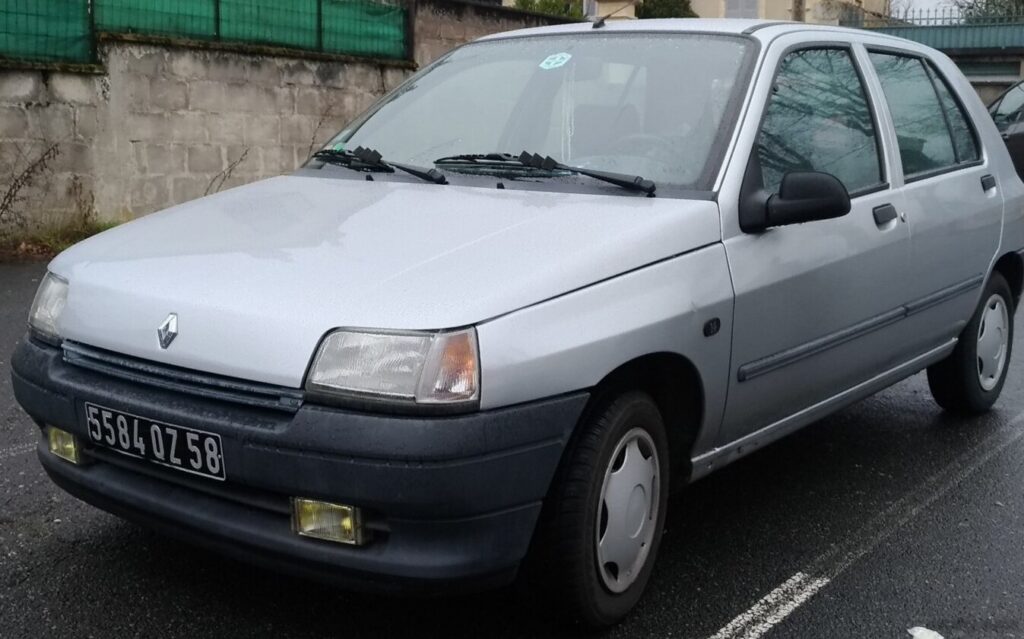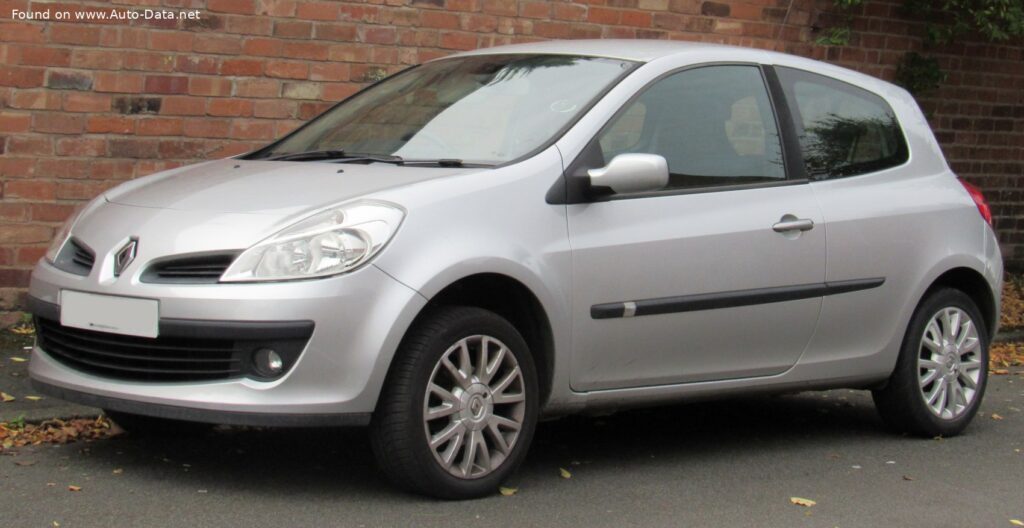
The Renault Clio III (Phase I) 3-door 1.5 dCi 106 hp model, produced between 2005 and 2009, represented a significant offering in the European subcompact hatchback segment. Part of the third generation of the Clio (designated X98), this variant was positioned as a fuel-efficient and practical choice for buyers seeking a balance between economy and performance. It utilized the Renault-Nissan alliance’s K9K engine family and was a popular alternative to gasoline-powered Clios and other diesel options within the range. The Phase I models are identifiable by their distinct front-end styling, which was updated in subsequent phases of the Clio III’s production run.
Powertrain & Engine Architecture
The heart of the Clio III 1.5 dCi 106 hp is the K9K 764 and K9K 774 engine, a 1.5-liter inline four-cylinder diesel engine. This engine is a product of the Renault-Nissan collaboration and is known for its robust design and fuel efficiency. The K9K engine features a cast iron block and aluminum cylinder head, contributing to its durability. It employs a common rail direct fuel injection system, delivering fuel directly into the combustion chamber at extremely high pressure for optimized combustion. This system, supplied by Delphi, allowed for precise fuel metering and contributed to the engine’s relatively low emissions.
The engine utilizes a single overhead camshaft (SOHC) valvetrain operating two valves per cylinder. A turbocharger with an intercooler is employed to increase power output and improve torque across a wider RPM range. The turbocharger boosts air intake pressure, allowing more air to enter the cylinders, resulting in more efficient combustion. The engine’s compression ratio is relatively high at 15.6:1, typical for diesel engines, which contributes to its thermal efficiency. Engine oil capacity is 4.5 liters (4.76 US quarts), and the recommended oil specification should be consulted in the vehicle’s owner’s manual.
The 1.5 dCi engine was typically paired with a five-speed manual transmission, however, a six-speed manual transmission was also available. The transmission is a standard front-wheel-drive configuration. The gear ratios were optimized for fuel economy and everyday drivability, rather than outright performance.
Fuel Injection and Turbocharging
The Delphi common rail system in the K9K engine operates at pressures up to 1600 bar (23,206 psi). This high pressure atomizes the fuel into a fine mist, ensuring complete combustion and reducing particulate emissions. The turbocharger is a variable geometry turbo (VGT), which allows the turbine vanes to adjust based on engine speed and load. This optimizes boost pressure across the engine’s operating range, improving both low-end torque and high-end power.
Driving Characteristics
The Clio III 1.5 dCi 106 hp offers a driving experience focused on efficiency and practicality. While not a performance-oriented variant, the engine delivers adequate power for everyday driving situations. Acceleration from 0 to 62 mph (0-100 km/h) takes approximately 11.1 seconds, and the top speed is around 118 mph (190 km/h). The engine’s peak torque of 240 Nm (177 lb-ft) is available from 2000-2500 rpm, providing good pulling power for overtaking and climbing hills.
Compared to the lower-powered 1.5 dCi variants (typically around 75 hp or 90 hp), the 106 hp version offers a noticeable improvement in performance, particularly at higher speeds. However, it doesn’t match the responsiveness of the gasoline-powered 1.6 16V engine or the more powerful 2.0 16V variants. The six-speed manual transmission, when equipped, helps to keep engine speeds lower at highway speeds, further improving fuel economy and reducing noise. The steering is light and precise, making the Clio easy to maneuver in urban environments. The suspension provides a comfortable ride, although it can feel slightly firm on rough roads.
Equipment & Trim Levels
The Clio III 1.5 dCi 106 hp was typically offered in several trim levels, varying by market. Standard equipment generally included power steering, central locking, electric front windows, and an adjustable steering column. Higher trim levels added features such as air conditioning, alloy wheels, a CD player, and front fog lights. Safety features included ABS brakes, driver and passenger airbags, and seatbelt pretensioners. Interior upholstery was typically cloth, with options for upgraded materials on higher trims. The dashboard layout was functional and straightforward, with easy-to-read instruments. Optional extras included a panoramic sunroof, parking sensors, and a trip computer.
Chassis & Braking
The Clio III utilizes a McPherson strut front suspension with a coil spring and anti-roll bar. The rear suspension is a torsion beam setup, which is a cost-effective and space-efficient solution. The front brakes are ventilated discs, providing good stopping power. The rear brakes are typically discs on higher trim levels, but drums were common on base models. The steering is a rack and pinion system with electric power assistance. Tire sizes typically ranged from 185/60 R15 to 195/50 R16, depending on the trim level. The chassis was designed to provide a balance between comfort and handling, prioritizing ride quality over sporty dynamics.
Market Reception & Comparison
The Renault Clio III 1.5 dCi 106 hp was well-received by critics for its fuel efficiency, practicality, and affordability. It was often praised for its comfortable ride and easy-to-use controls. However, some reviewers noted that the engine could be somewhat noisy and that the interior materials were not as refined as those found in some competitors. Compared to other trims in the Clio lineup, the 1.5 dCi 106 hp offered a good compromise between performance and economy. It was more powerful than the lower-powered diesel variants but less expensive than the gasoline-powered models. Fuel economy figures were impressive, with combined cycle consumption around 4.6 l/100 km (51.1 US mpg).
Technical Specifications
| Engine Type | 1.5L Turbo Diesel (K9K) |
| Engine Code | K9K 764, K9K 774 |
| Displacement | 1461 cc (89.16 cu in) |
| Cylinders | 4, Inline |
| Power | 106 hp @ 4000 rpm |
| Torque | 240 Nm (177 lb-ft) @ 2000-2500 rpm |
| Fuel Injection | Diesel Commonrail |
| Turbocharger | Variable Geometry Turbo (VGT) |
| Compression Ratio | 15.6:1 |
| Transmission | 5-speed or 6-speed Manual |
| Drive Wheels | Front |
| 0-62 mph | 11.1 seconds |
| Top Speed | 118 mph (190 km/h) |
| Fuel Consumption (Combined) | 4.6 l/100 km (51.1 US mpg) |
| CO2 Emissions | 123 g/km |
| Kerb Weight | 1200 kg (2645.55 lbs) |
| Fuel Tank Capacity | 55 liters (14.53 US gal) |
Legacy
The K9K engine family, including the 1.5 dCi 106 hp variant, has proven to be remarkably durable and reliable. While diesel engines are generally more complex than gasoline engines, the K9K has a reputation for longevity, provided it is properly maintained. Common issues include turbocharger failure and injector problems, but these are not widespread. On the used car market, the Clio III 1.5 dCi 106 hp remains a popular choice for buyers seeking an economical and practical hatchback. Its fuel efficiency and relatively low running costs make it an attractive option, and parts availability is generally good. However, potential buyers should be aware of the potential for diesel particulate filter (DPF) issues, particularly on vehicles that have primarily been used for short journeys.