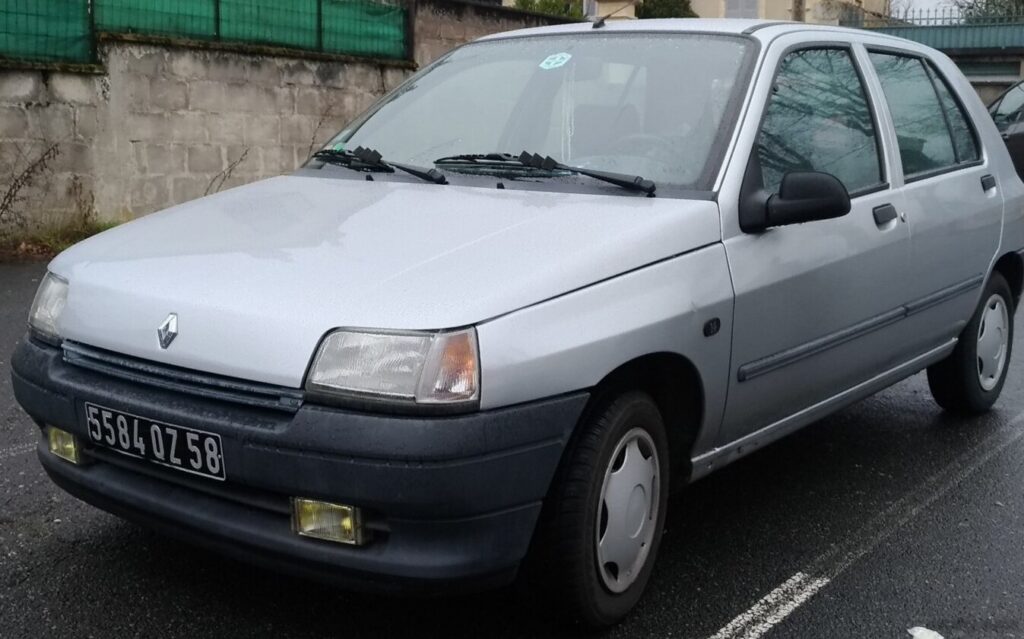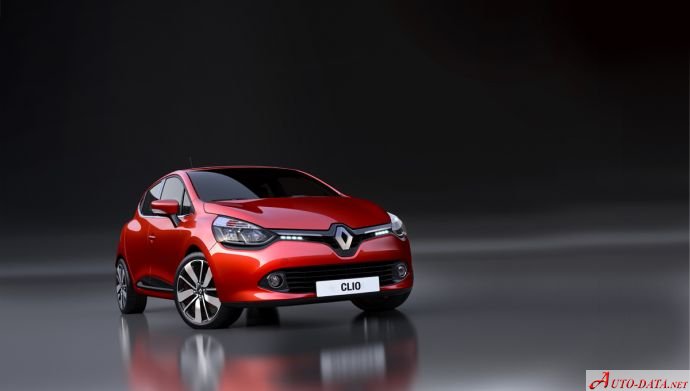
The Renault Clio IV (Phase I) 1.2 16V (75 Hp), launched in 2012, represented a significant evolution for Renault’s highly successful subcompact car, known as a supermini in Europe. As a cornerstone of the French automaker’s lineup, the Clio has consistently been one of Europe’s best-selling cars, and the fourth generation continued this legacy with a fresh design language and improved efficiency. The specific variant under review, the 1.2 16V (75 Hp), served as an accessible and economical entry point into the Clio IV range, primarily targeting urban drivers and those seeking a practical, fuel-efficient daily commuter in its home market and across Europe. This model was produced from 2012 until 2016, before receiving a mid-cycle refresh. While the Renault Clio is not officially sold in the United States, its impact and popularity in the highly competitive European B-segment are undeniable, setting benchmarks for design, practicality, and cost-effectiveness.
Powertrain & Engine Architecture
Powering this particular variant of the Renault Clio IV (Phase I) is a naturally aspirated 1.2-liter (1149 cm³ or 70.12 cu. in.) inline four-cylinder engine, designated by Renault with the code D4F 740. This robust and well-proven engine configuration features 16 valves (four per cylinder) and utilizes a multi-port manifold injection system. It delivers a modest 75 horsepower at 5500 rpm, which translates to a power-per-liter output of 65.3 Hp/l. Torque output stands at 78.92 lb.-ft. (107 Nm) peaking at 4250 rpm. This powertrain architecture is front-transverse, driving the front wheels through a 5-speed manual transmission, a common and efficient setup for a vehicle of this class.
The D4F engine family is known for its simplicity and durability. The multi-point fuel injection system, while not as sophisticated as direct injection, provides reliable fuel delivery and contributes to the engine’s overall efficiency. The valvetrain utilizes a single overhead camshaft (SOHC) design, further simplifying the engine’s construction and maintenance. The 5-speed manual transmission, designated JB1, is a standard gearbox for this class of vehicle, offering smooth gear changes and a relatively direct driving experience. It’s a non-synchronized reverse gear transmission, typical for its era. The engine’s relatively low compression ratio (9.5:1) contributes to its ability to run on standard 95 octane gasoline.
Driving Characteristics
The 1.2 16V engine, paired with the 5-speed manual transmission, provides adequate, though not exhilarating, performance. Acceleration from 0 to 60 mph is achieved in approximately 13.8 seconds, with a maximum speed of 103.77 mph (167 km/h). The gear ratios are tuned for fuel efficiency and urban driving, with first gear being relatively short for quick acceleration from a standstill, and fifth gear being a tall overdrive ratio for comfortable highway cruising. Compared to higher-output versions of the Clio IV, such as the 0.9 TCe or the 1.5 dCi diesel, the 1.2 16V feels noticeably less powerful, particularly when fully loaded or tackling steep inclines. However, its lighter weight and responsive throttle make it enjoyable to drive in city environments.
The power delivery is linear, with a usable torque band between 2000 and 4500 rpm. While it requires frequent downshifts when overtaking or climbing hills, the engine is generally willing and responsive. The manual transmission provides a more engaging driving experience than the optional automated manual transmission (EDC) available on other Clio IV variants. The steering is light and precise, making maneuvering in tight spaces easy. Overall, the driving experience is geared towards practicality and ease of use rather than sporty performance.
Equipment & Trim Levels
The 1.2 16V variant of the Clio IV (Phase I) typically served as the entry-level trim, offering a good balance of essential features and affordability. Standard equipment generally included electric front windows, power steering, central locking, an adjustable steering column, and a basic audio system with USB connectivity. Safety features such as ABS (Anti-lock Braking System), ESP (Electronic Stability Program), and front airbags were also standard. Interior upholstery was typically cloth, with a simple and durable design. The dashboard featured a functional layout with easy-to-read instruments.
Optional extras available for this trim included air conditioning, alloy wheels, rear parking sensors, and a more advanced audio system with Bluetooth connectivity. Higher trim levels, such as the Expression and Dynamique, added features like cruise control, automatic headlights and wipers, and more premium interior materials. The Clio IV also offered a range of personalization options, allowing buyers to customize the exterior and interior with different colors and trim elements.
Chassis & Braking
The Clio IV (Phase I) utilizes a MacPherson strut front suspension and a torsion beam rear suspension. This configuration provides a good balance of ride comfort and handling. The torsion beam rear suspension is a cost-effective solution commonly found in vehicles of this class. The 1.2 16V variant typically featured 15-inch steel wheels or optional 16-inch alloy wheels. Tire sizes were typically 185/65 R15 or 195/55 R16. The front brakes are ventilated discs, providing adequate stopping power, while the rear brakes are drum brakes, a cost-saving measure for the entry-level trim.
The steering system is an electric power-assisted steering (EPS) system, offering light and precise steering feel. The car’s relatively low weight contributes to its agility and responsiveness. Stabilizer bars are fitted to both the front and rear axles to reduce body roll during cornering. The braking system is equipped with ABS (Anti-lock Braking System) and EBD (Electronic Brakeforce Distribution) to enhance braking performance and stability.
Market Reception & Comparison
Critics generally praised the Renault Clio IV (Phase I) for its stylish design, comfortable ride, and fuel efficiency. The 1.2 16V engine, while not the most powerful option, was recognized for its reliability and low running costs. However, some reviewers noted that the engine felt underpowered, particularly when fully loaded or on hilly roads. Compared to the more expensive 0.9 TCe turbocharged engine, the 1.2 16V offered a more affordable entry point into the Clio IV range, but at the expense of performance. The 1.5 dCi diesel engine offered superior fuel economy but came with a higher purchase price and potentially higher maintenance costs.
In terms of fuel economy, the 1.2 16V achieved a combined consumption of around 42.8 US mpg (5.5 l/100 km), making it one of the most fuel-efficient non-diesel options in the segment. Reliability was generally good, with few reported issues with the engine or transmission. However, like all cars, regular maintenance is essential to ensure long-term reliability.
Technical Specifications
| Category | Specification |
| General Information | |
| Brand | Renault |
| Model | Clio |
| Generation | Clio IV (Phase I) |
| Engine Type | 1.2 16V (75 Hp) |
| Production Start | 2012 |
| Production End | 2016 |
| Powertrain Architecture | Internal Combustion Engine |
| Body Type | Hatchback |
| Seats | 5 |
| Doors | 5 |
| Performance Specs | |
| Fuel Consumption (Urban) | 7 l/100 km (33.6 US mpg) |
| Fuel Consumption (Extra Urban) | 4.7 l/100 km (50 US mpg) |
| Fuel Consumption (Combined) | 5.5 l/100 km (42.8 US mpg) |
| Fuel Type | Petrol (Gasoline) |
| Acceleration 0 – 60 mph | 13.8 sec |
| Acceleration 0 – 100 km/h | 14.5 sec |
| Maximum Speed | 103.77 mph (167 km/h) |
| Emission Standard | Euro 5 |
| Weight-to-Power Ratio | 13.1 kg/Hp (76.5 Hp/tonne) |
| Engine Specs | |
| Power | 75 Hp @ 5500 rpm |
| Power Per Liter | 65.3 Hp/l |
| Torque | 78.92 lb.-ft. (107 Nm) @ 4250 rpm |
| Engine Layout | Front, Transverse |
| Engine Model/Code | D4F 740 |
| Engine Displacement | 1149 cm³ (70.12 cu. in.) |
| Number of Cylinders | 4 |
| Engine Configuration | Inline |
| Valves Per Cylinder | 4 |
| Fuel Injection System | Multi-port manifold injection |
| Engine Aspiration | Naturally aspirated engine |
Legacy
The Renault Clio IV (Phase I) 1.2 16V (75 Hp) powertrain has proven to be relatively reliable in the long term. The D4F 740 engine is known for its durability and relatively low maintenance costs. Common issues are typically limited to routine wear and tear items such as spark plugs, air filters, and timing belts. On the used car market, these models represent an affordable and practical option for those seeking a reliable and fuel-efficient supermini. While not as desirable as the higher-performance or diesel variants, the 1.2 16V offers a good value proposition for budget-conscious buyers. Its simplicity and proven design make it a relatively easy car to maintain and repair, contributing to its continued popularity in the used car market.