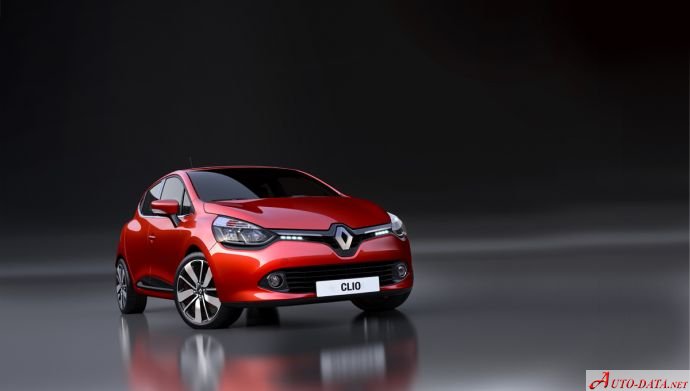
The Renault Clio IV (Phase I) 1.5 Energy dCi (90 Hp) Start&Stop represents a significant evolution in the long-running and successful Clio series. Launched in 2012 and produced through 2016, this generation of the Clio solidified its position as a major player in Europe’s competitive B-segment, commonly known as the supermini class. Though never officially sold in the United States, the Clio IV was central to Renault’s strategy in its primary European and international markets, offering a blend of stylish design, practicality, and, importantly for its target demographic, excellent fuel efficiency. Its introduction signaled a new design direction for Renault under Laurens van den Acker, embracing more emotive and sensual styling that would characterize the brand for years to come. The 1.5 Energy dCi variant, with its 90 horsepower diesel engine and integrated Start&Stop system, was particularly aimed at drivers prioritizing low running costs and a reduced environmental impact, making it a popular choice for both individual owners and fleet operators throughout Europe.
Powertrain & Engine Architecture
The Renault Clio IV (Phase I) 1.5 Energy dCi (90 Hp) Start&Stop is powered by Renault’s respected K9K 628 diesel engine. This 1.5-liter (1461 cm³ or 89.16 cu. in.) inline four-cylinder engine exemplifies modern diesel engineering, balancing performance with exceptional fuel economy. Equipped with a turbocharger and intercooler, along with a sophisticated common rail direct fuel injection system, it produces 90 horsepower at 4000 rpm. Crucially for this segment, it generates a substantial 220 Nm (162.26 lb.-ft.) of torque at a low 1750 rpm. This ample low-end torque is vital for a car of its size, providing brisk acceleration from a standstill and confident overtaking capability in both urban and extra-urban environments.
The engine utilizes a diesel particulate filter (DPF) to reduce harmful emissions, complying with Euro 5 standards. The fuel injection system is a high-pressure common rail system, allowing for precise fuel delivery and optimized combustion. The valvetrain features two valves per cylinder (SOHC), a configuration chosen for its simplicity and reliability. The engine’s block is constructed from cast iron for durability, while the cylinder head is made of aluminum to reduce weight. The transmission paired with this engine is typically a five-speed manual gearbox, although a six-speed EDC (Efficient Dual Clutch) automatic transmission was also available as an option, though less common with this specific power output.
Transmission Details
The standard five-speed manual transmission is designed for smooth and precise gear changes. Gear ratios are optimized for fuel efficiency and everyday drivability, with a relatively tall fifth gear for relaxed cruising on highways. The automatic transmission, when equipped, offers quicker shifts and a more convenient driving experience, but typically at a slight cost to fuel economy. The transmission is a front-wheel drive configuration, typical for vehicles in this class.
Driving Characteristics
The 90 hp / automatic setup in the Clio IV delivers a practical and comfortable driving experience. While not particularly sporty, it provides sufficient power for everyday driving situations. Acceleration from 0 to 60 mph takes approximately 11.1 seconds (0-100 km/h in 11.7 seconds), and the top speed is around 112.47 mph (181 km/h). Compared to the higher-output 1.5 dCi variants (110 hp) or the petrol engines, the 90 hp version feels less eager to rev, but the abundant low-end torque compensates for this, making it easy to navigate city traffic and maintain speed on inclines. The automatic transmission, while convenient, can sometimes feel slightly hesitant during quick acceleration, particularly when compared to the responsiveness of the manual gearbox. The gear ratios are tuned for fuel efficiency, meaning the engine doesn’t always feel like it’s in its optimal power band.
Equipment & Trim Levels
The Clio IV (Phase I) 1.5 Energy dCi (90 Hp) Start&Stop was available in several trim levels, each offering a different level of equipment. The base trim typically included features such as air conditioning, power steering, electric front windows, a basic audio system with USB connectivity, and ABS with electronic brakeforce distribution. Higher trim levels, such as Dynamique and Prestige, added features like alloy wheels, cruise control, rear parking sensors, a touchscreen infotainment system with navigation, and automatic headlights and wipers. Interior upholstery ranged from basic cloth in the lower trims to more premium fabrics in the higher trims. Optional extras included a panoramic sunroof, leather upholstery, and a more advanced sound system.
Chassis & Braking
The Clio IV utilizes a McPherson strut front suspension with a coil spring and anti-roll bar, providing a comfortable yet controlled ride. The rear suspension employs a torsion beam setup, which is a cost-effective and space-efficient solution commonly found in supermini vehicles. Braking is handled by ventilated discs at the front and drum brakes at the rear. The steering system is an electric power-assisted rack and pinion system, offering light and precise steering feel. Tire sizes typically ranged from 185/65 R15 to 195/55 R16, depending on the trim level. The chassis is designed to provide a good balance between handling and ride comfort, making it suitable for a variety of driving conditions.
Market Reception & Comparison
Critics generally praised the Clio IV 1.5 Energy dCi (90 Hp) Start&Stop for its fuel efficiency, low running costs, and comfortable ride. It was often compared favorably to rivals such as the Ford Fiesta, Volkswagen Polo, and Peugeot 208. While the 90 hp engine wasn’t the most powerful option available, it was considered adequate for most drivers, and its fuel economy was a major selling point. Compared to the higher-output 1.5 dCi variants, the 90 hp version offered a more affordable price point and lower insurance costs. However, it lacked the same level of performance and refinement. Reliability was generally good, with the K9K engine proving to be a durable and dependable unit. The Start&Stop system was generally well-received, although some owners reported occasional issues with its smoothness.
Technical Specifications
| Category | Specification |
| Brand | Renault |
| Model | Clio IV (Phase I) |
| Type (Engine) | 1.5 Energy dCi (90 Hp) Start&Stop |
| Production Start | 2012 |
| Production End | 2016 |
| Powertrain Architecture | Internal Combustion Engine |
| Body Type | Hatchback |
| Seats | 5 |
| Doors | 5 |
| Fuel Consumption (Urban) | 4.1 l/100 km (57.4 US mpg) |
| Fuel Consumption (Extra Urban) | 3.3 l/100 km (71.3 US mpg) |
| Fuel Consumption (Combined) | 3.6 l/100 km (65.3 US mpg) |
| Fuel Type | Diesel |
| Acceleration 0-60 mph | 11.1 sec |
| Acceleration 0-100 km/h | 11.7 sec |
| Maximum Speed | 112.47 mph (181 km/h) |
| Emission Standard | Euro 5 |
| Weight-to-Power Ratio | 11.9 kg/Hp (84 Hp/tonne) |
| Weight-to-Torque Ratio | 4.9 kg/Nm (205.4 Nm/tonne) |
| Power | 90 Hp @ 4000 rpm |
| Torque | 220 Nm (162.26 lb.-ft.) @ 1750 rpm |
| Engine Displacement | 1461 cm³ (1.5 liters / 89.16 cu. in.) |
| Number of Cylinders | 4 |
| Fuel Injection System | Diesel Commonrail |
| Kerb Weight | 1071 kg (2361.15 lbs) |
| Fuel Tank Capacity | 45 l (11.89 US gal) |
| Length | 4062 mm (159.92 in.) |
| Width | 1777 mm (69.96 in.) |
Legacy
The Renault Clio IV (Phase I) 1.5 Energy dCi (90 Hp) Start&Stop has proven to be a reliable and economical vehicle in the used car market. The K9K engine is known for its durability, and with regular maintenance, it can provide many years of trouble-free service. The Start&Stop system, while occasionally requiring maintenance, has generally proven to be a worthwhile feature, contributing to the car’s excellent fuel economy. Today, these Clios represent a good value proposition for buyers seeking an affordable and efficient supermini. While not a performance car, its practicality, fuel efficiency, and relatively low running costs make it a sensible choice for urban commuters and those looking for a dependable everyday vehicle. The Clio IV’s success helped solidify Renault’s position in the European supermini segment and paved the way for future generations of the Clio.