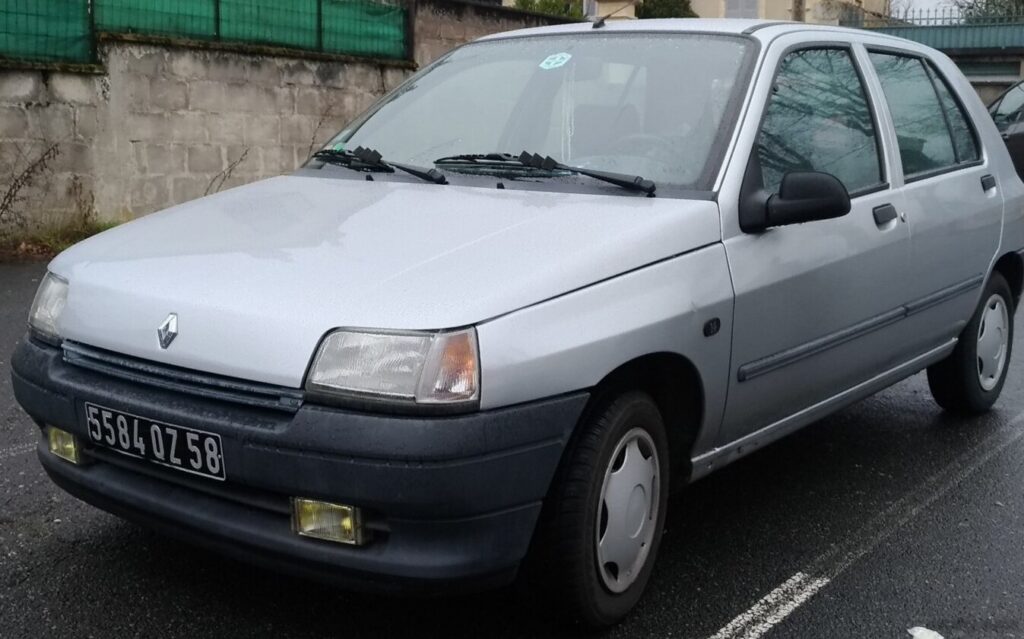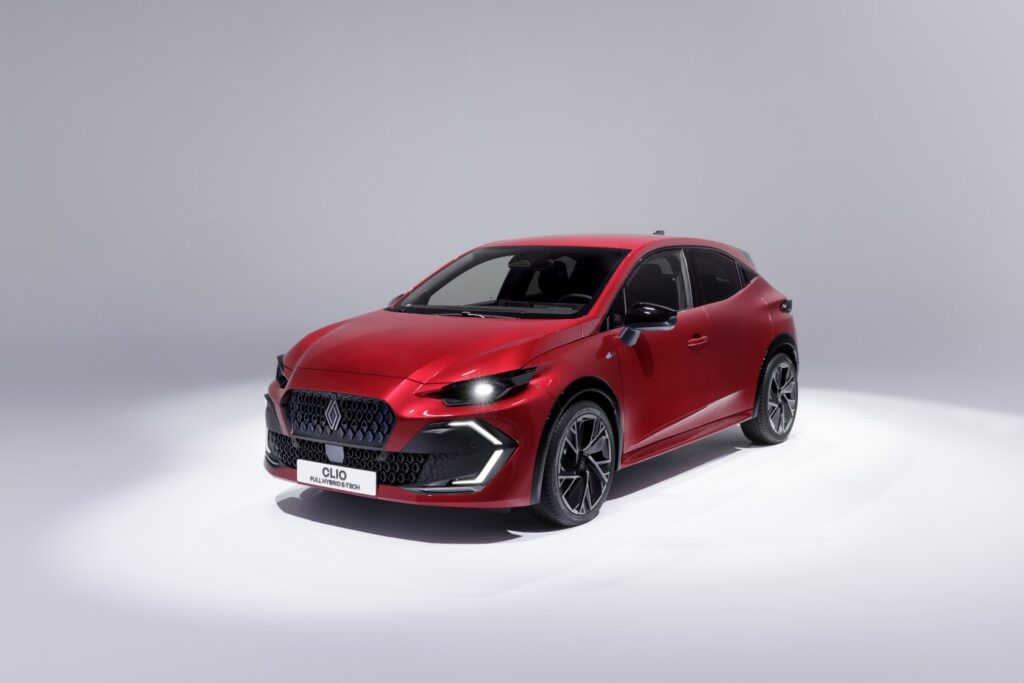
The Renault Clio, a nameplate synonymous with European subcompact excellence, enters its sixth generation with the introduction of the Clio VI. The specific variant under review, the Renault Clio VI (Phase I) 1.2 TCe (115 Hp), represents the initial iteration of this new generation, launched in October 2025. As a quintessential B-segment hatchback, the Clio has consistently been a top seller in its primary European markets, known for its blend of style, practicality, and efficiency. While the Clio has never been officially imported and sold in the United States, its impact on the global automotive landscape, particularly in Europe, is undeniable. This model continues Renault’s tradition of offering a compelling package for urban drivers and small families, integrating modern powertrain technologies and contemporary design cues to maintain its competitive edge. This detailed analysis will explore the technical specifications, performance characteristics, design philosophy, and market positioning of this significant European offering.
Engine & Performance: The Heart of the Renault Clio VI (Phase I) 1.2 TCe (115 Hp)
Powering the Renault Clio VI (Phase I) 1.2 TCe (115 Hp) is a sophisticated 1.2-liter (1199 cm3) turbocharged inline-three gasoline engine, designated by the internal code H5F G6. This compact yet potent powerplant is a testament to modern engine downsizing strategies, delivering a robust 115 horsepower (Hp) across a broad rev range of 4350 to 5500 rpm. The engine’s three-cylinder configuration, combined with a turbocharger and intercooler, ensures a lively and responsive driving experience, particularly in urban environments where its torque delivery is most beneficial.
Torque output is a substantial 140.14 lb.-ft. (190 Nm), available from a low 1750 rpm up to 4000 rpm. This wide torque band contributes significantly to the car’s flexibility and ease of driving, reducing the need for frequent gear changes. The engine utilizes a direct fuel injection system, optimizing fuel atomization for improved combustion efficiency and reduced emissions. Further enhancing its modern credentials, the engine incorporates a Start & Stop System to conserve fuel during idling and a particulate filter to meet stringent Euro 6e-bis emission standards.
Performance figures for the Clio VI 1.2 TCe (115 Hp) are respectable for its class. It accelerates from 0 to 60 mph in a brisk 9.6 seconds (0-100 km/h in 10.1 seconds) and can reach a top speed of 111.85 mph (180 km/h). This performance profile makes it well-suited for both city commuting and occasional highway travel. The powertrain architecture is front-wheel drive, with the engine mounted transversely at the front, driving the front wheels through a precise 6-speed manual transmission. This setup offers a balance of engaging driving dynamics and everyday usability.
Fuel efficiency is a key strength of this model, crucial for its target market. The combined WLTP fuel consumption is rated at an impressive 47 US mpg (5.0 l/100 km). This efficiency is maintained across various driving conditions, from low-speed urban crawls (33.6 US mpg / 7.0 l/100 km) to high-speed cruising (54.7 US mpg / 4.3 l/100 km). With CO2 emissions of 114 g/km, the Clio VI 1.2 TCe stands as an environmentally conscious choice within its segment.
Design & Features
The Renault Clio VI (Phase I) maintains the brand’s contemporary design language, evolving the sleek and dynamic aesthetic established by previous generations. As a 5-door hatchback with seating for five, it prioritizes practicality and versatile interior space. Its dimensions are well-proportioned for urban environments, with a length of 162.05 inches (4116 mm), a width of 69.61 inches (1768 mm, or 78.98 inches including mirrors), and a height of 57.13 inches (1451 mm). The wheelbase measures 102.01 inches (2591 mm), contributing to a stable ride and maximizing cabin space.
The exterior design features sharp lines, sculpted body panels, and Renault’s signature lighting elements, giving it a modern and assertive stance. The relatively short front and rear overhangs (33.82 inches and 26.26 inches, respectively) contribute to its agile appearance and maneuverability, further aided by a tight minimum turning circle of 34.12 feet (10.4 m).
Inside, the Clio VI is designed to be both comfortable and functional. Despite its compact exterior, it offers a surprisingly generous trunk space, ranging from 13.81 cubic feet (391 liters) with the rear seats up, expandable to a substantial 41.53 cubic feet (1176 liters) when the rear seats are folded down. This flexibility makes it highly adaptable for various cargo needs, from daily groceries to weekend luggage.
Key features include an electric power steering system, offering light and precise control, especially at lower speeds. For safety, the vehicle is equipped with an Anti-lock Braking System (ABS) as standard, complementing its front disc brakes (280×24 mm) and rear disc brakes (280×9.6 mm). The suspension system comprises an independent McPherson type at the front and a torsion beam at the rear, a common and effective setup for vehicles in this class, balancing ride comfort with handling prowess. The car comes with tire size options of 195/60 R16 or 205/45 R18, mounted on corresponding 16-inch or 18-inch wheel rims, allowing for customization of both aesthetics and driving feel.
Technical Specifications: Renault Clio VI (Phase I) 1.2 TCe (115 Hp)
| Category | Specification |
| General Information | |
| Brand | Renault |
| Model | Clio |
| Generation | Clio VI (Phase I) |
| Type (Engine) | 1.2 TCe (115 Hp) |
| Start of Production | October, 2025 |
| Powertrain Architecture | Internal Combustion engine |
| Body Type | Hatchback |
| Seats | 5 |
| Doors | 5 |
| Performance Specifications | |
| Fuel Consumption (WLTP) – Low Speed | 7.0 l/100 km (33.6 US mpg) |
| Fuel Consumption (WLTP) – Medium Speed | 4.9 l/100 km (48 US mpg) |
| Fuel Consumption (WLTP) – High Speed | 4.3 l/100 km (54.7 US mpg) |
| Fuel Consumption (WLTP) – Very High Speed | 5.0 l/100 km (47 US mpg) |
| Combined Fuel Consumption (WLTP) | 5.0 l/100 km (47 US mpg) |
| CO2 Emissions (WLTP) | 114 g/km |
| Fuel Type | Petrol (Gasoline) |
| Acceleration 0-60 mph | 9.6 seconds |
| Acceleration 0-100 km/h | 10.1 seconds |
| Maximum Speed | 111.85 mph (180 km/h) |
| Emission Standard | Euro 6e-bis |
| Weight-to-Power Ratio | 9.8 kg/Hp (102 Hp/tonne) |
| Weight-to-Torque Ratio | 5.9 kg/Nm (168.6 Nm/tonne) |
| Engine Specifications | |
| Power | 115 Hp @ 4350-5500 rpm |
| Power per Liter | 95.9 Hp/l |
| Torque | 140.14 lb.-ft. (190 Nm) @ 1750-4000 rpm |
| Engine Layout | Front, Transverse |
| Engine Model/Code | H5F G6 |
| Engine Displacement | 1.2 Liters (1199 cm3 / 73.17 cu. in.) |
| Number of Cylinders | 3 |
| Engine Configuration | Inline |
| Number of Valves per Cylinder | 4 |
| Fuel Injection System | Direct injection |
| Engine Aspiration | Turbocharger, Intercooler |
| Engine Systems | Start & Stop System, Particulate filter |
| Space, Volume, and Weights | |
| Kerb Weight | 2484.61 lbs. (1127 kg) |
| Max. Weight (Gross Vehicle Weight Rating) | 3648.65 lbs. (1655 kg) |
| Max Load | 1164.04 lbs. (528 kg) |
| Trunk (Boot) Space – Minimum | 13.81 cu. ft. (391 l) |
| Trunk (Boot) Space – Maximum | 41.53 cu. ft. (1176 l) |
| Fuel Tank Capacity | 10.3 US gal (39 l) |
| Permitted Trailer Load with Brakes (12%) | 1984.16 lbs. (900 kg) |
| Permitted Trailer Load without Brakes | 1355.84 lbs. (615 kg) |
| Dimensions | |
| Length | 162.05 in. (4116 mm) |
| Width | 69.61 in. (1768 mm) |
| Width Including Mirrors | 78.98 in. (2006 mm) |
| Height | 57.13 in. (1451 mm) |
| Wheelbase | 102.01 in. (2591 mm) |
| Front Track | 59.17 in. (1503 mm) |
| Rear (Back) Track | 59.17 in. (1503 mm) |
| Front Overhang | 33.82 in. (859 mm) |
| Rear Overhang | 26.26 in. (667 mm) |
| Minimum Turning Circle (Diameter) | 34.12 ft. (10.4 m) |
| Drivetrain, Brakes, and Suspension | |
| Drivetrain Architecture | Front-wheel drive, Internal Combustion Engine (ICE) |
| Drive Wheel | Front wheel drive |
| Number of Gears and Type of Gearbox | 6 gears, manual transmission |
| Front Suspension | Independent type McPherson |
| Rear Suspension | Torsion |
| Front Brakes | Disc, 280×24 mm |
| Rear Brakes | Disc, 280×9.6 mm |
| Assisting Systems | ABS (Anti-lock braking system) |
| Steering Type | Steering rack and pinion |
| Power Steering | Electric Steering |
| Tires Size | 195/60 R16; 205/45 R18 |
| Wheel Rims Size | 16; 18 |
Legacy and Market Impact
The Renault Clio has carved out a formidable legacy in the European automotive market since its inception in 1990, consistently ranking among the continent’s best-selling vehicles. The introduction of the Clio VI (Phase I) 1.2 TCe (115 Hp) in 2025 marks a continued commitment by Renault to evolve this crucial model. Its primary market remains Europe, where it competes fiercely in the highly competitive B-segment (subcompact category) against established rivals such as the Volkswagen Polo, Peugeot 208, Opel Corsa, and Toyota Yaris.
The Clio’s enduring appeal lies in its ability to offer a compelling blend of attributes that resonate with European consumers: stylish design, practical interior packaging, efficient powertrains, and an engaging driving experience. The 1.2 TCe (115 Hp) variant, with its modern turbocharged three-cylinder engine, exemplifies this strategy. It provides sufficient power for both urban commuting and longer journeys, coupled with excellent fuel economy that helps mitigate rising fuel costs and environmental concerns. Its Euro 6e-bis emissions compliance further solidifies its position as a responsible choice in a market increasingly focused on ecological footprint.
Historically, the Clio has been praised for its spirited handling and comfortable ride, attributes that the sixth generation is expected to carry forward. Its compact dimensions and tight turning circle make it particularly adept at navigating congested city streets and tight parking spaces, a significant advantage in densely populated European urban centers. The generous and flexible trunk space further enhances its practicality, appealing to a wide demographic, from young professionals to small families.
In terms of market impact, the Clio VI is poised to reinforce Renault’s strong presence in the subcompact segment. Its continuous evolution, incorporating the latest in design trends, powertrain technology, and safety features, ensures its relevance and competitiveness. While not available in the US market, the Clio’s success in Europe serves as a benchmark for how automakers can deliver high-value, efficient, and enjoyable small cars that meet the diverse needs of a sophisticated consumer base. The Renault Clio VI (Phase I) 1.2 TCe (115 Hp) represents not just a new model, but the latest chapter in a proud and impactful automotive legacy.