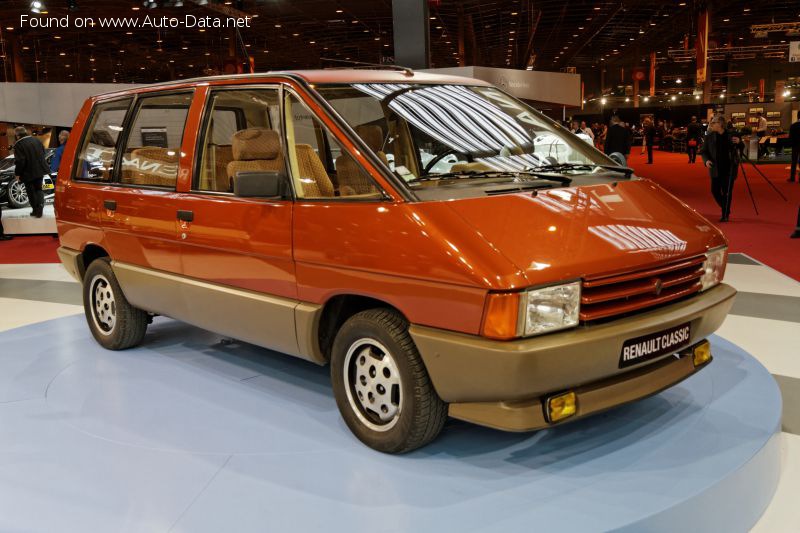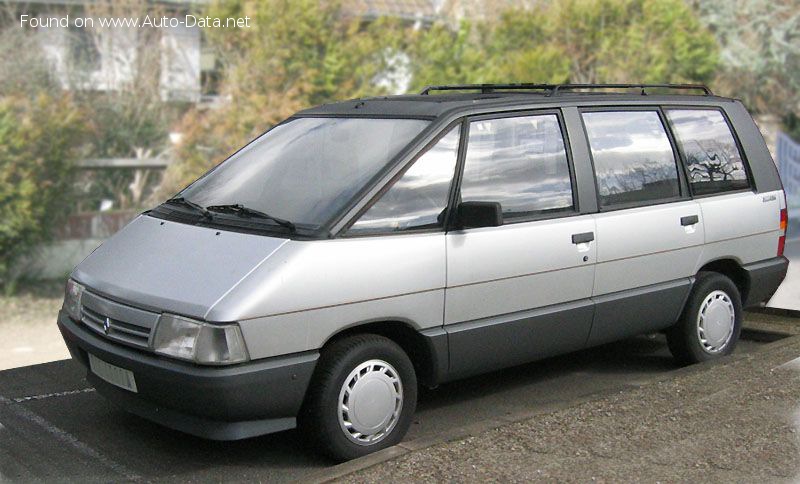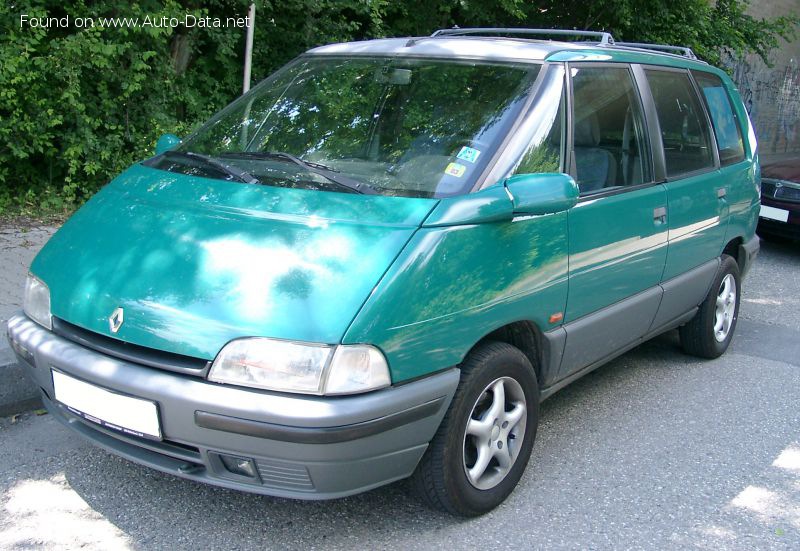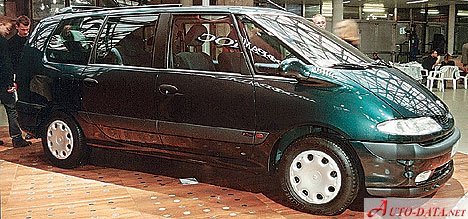
The Renault Espace III (JE), produced from 1996 to 2003, represents a significant evolution in the lineage of Renault’s groundbreaking MPV (Multi-Purpose Vehicle). While never officially offered for sale in the United States, the Espace established itself as a dominant force in the European family vehicle market, pioneering the segment and influencing automotive design across the continent. The JE series, internally designated, built upon the success of its predecessors, offering increased refinement, improved safety features, and a more sophisticated driving experience. The 2.0i 16V variant, manufactured between 1998 and 2000, was a particularly popular choice, balancing performance with fuel economy and catering to a wide range of family needs. This generation of Espace solidified the model’s reputation for versatility and practicality, becoming a staple for European families seeking a spacious and adaptable vehicle.
Renault Espace III (JE): A Detailed Overview
The Espace III marked a departure from the more utilitarian aesthetic of earlier models, embracing a more fluid and aerodynamic design. Renault aimed to create a vehicle that was not only practical but also visually appealing, moving the MPV segment away from purely functional designs. The JE series benefited from advancements in manufacturing techniques and materials, resulting in a more robust and refined vehicle. It offered a range of seating configurations, allowing owners to adapt the interior to suit their specific needs, from carrying passengers to transporting large items. The 2.0i 16V model, specifically, was positioned as a mid-range offering, providing a good balance between price, performance, and features.
Engine & Performance
The Renault Espace III (JE) 2.0i 16V is powered by Renault’s F4R engine, a 1998cc (approximately 2.0 liters) naturally aspirated, inline four-cylinder gasoline engine. This engine, a mainstay of Renault’s lineup during the late 1990s, is known for its smooth operation and relative reliability. The 16-valve cylinder head contributes to improved breathing and increased power output. The engine produces 140 horsepower (HP) and approximately 190 Newton-meters (140 lb-ft) of torque. Power is delivered to the front wheels via either a five-speed manual transmission or a four-speed automatic transmission, depending on the buyer’s preference.
Performance figures for the 2.0i 16V Espace are respectable for its class and era. Acceleration from 0 to 62 mph (0-100 km/h) takes approximately 10.5 to 11.5 seconds, depending on the transmission choice. Top speed is around 121 mph (195 km/h). While not designed for outright speed, the engine provides sufficient power for comfortable highway cruising and effortless overtaking. Fuel economy is rated at approximately 25-30 mpg (miles per gallon) combined, depending on driving conditions and transmission type. The engine’s relatively simple design and robust construction contribute to its longevity, making it a practical choice for families.
Design & Features
The Renault Espace III (JE) boasts a distinctive exterior design characterized by its rounded lines and large glass surfaces. The body style is a five-door MPV, offering easy access to the spacious interior. A key design element is the high roofline, maximizing headroom for all occupants. The vehicle’s aerodynamic shape contributes to reduced drag and improved fuel efficiency. The JE series also saw improvements in build quality and interior materials compared to previous generations.
Inside, the Espace III (JE) is renowned for its versatility. The seating arrangement is highly configurable, with individual seats that can be folded, tumbled, or even removed entirely. This allows owners to create a variety of interior layouts to accommodate passengers and cargo. The 2.0i 16V model typically came equipped with features such as power windows, central locking, air conditioning, and an optional sunroof. Safety features, while not as advanced as those found in modern vehicles, included anti-lock brakes (ABS) and driver and passenger airbags. The dashboard layout is functional and ergonomically designed, providing easy access to controls. The large windows and relatively upright seating position offer excellent visibility for the driver. The Espace III prioritized passenger comfort, offering a smooth ride and a quiet cabin.
Technical Specifications: Renault Espace III (JE) 2.0i 16V
| Engine Type | Naturally Aspirated Inline-4 Cylinder |
| Engine Displacement | 1998 cc (2.0 Liters) |
| Maximum Power | 140 HP (103 kW) @ 5500 rpm |
| Maximum Torque | 190 Nm (140 lb-ft) @ 3750 rpm |
| Fuel System | Multi-Point Fuel Injection |
| Valvetrain | 16-Valve DOHC |
| Transmission | 5-Speed Manual or 4-Speed Automatic |
| Drivetrain | Front-Wheel Drive |
| Brakes (Front/Rear) | Ventilated Discs / Discs |
| ABS | Standard |
| Airbags | Driver & Passenger |
| Curb Weight | Approximately 1,550 – 1,600 kg (3,417 – 3,527 lbs) |
| Fuel Consumption (Combined) | Approximately 8.0 – 9.0 L/100km (25-30 mpg) |
| Top Speed | Approximately 195 km/h (121 mph) |
| 0-62 mph (0-100 km/h) | Approximately 10.5 – 11.5 seconds |
| Body Type | 5-Door MPV |
| Production Years | 1998-2000 |
The Renault Espace III (JE) 2.0i 16V, while never sold in the US market, remains a significant vehicle in the history of the MPV segment. Its innovative design, spacious interior, and comfortable driving experience made it a popular choice for European families. The F4R engine proved to be a reliable and capable powerplant, providing a good balance between performance and fuel efficiency. The Espace III’s success cemented Renault’s position as a leader in the MPV market and paved the way for future generations of this iconic vehicle.