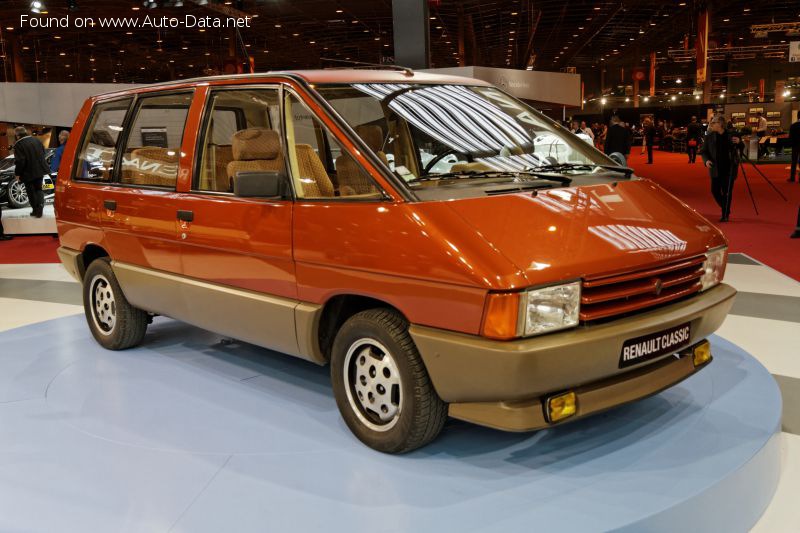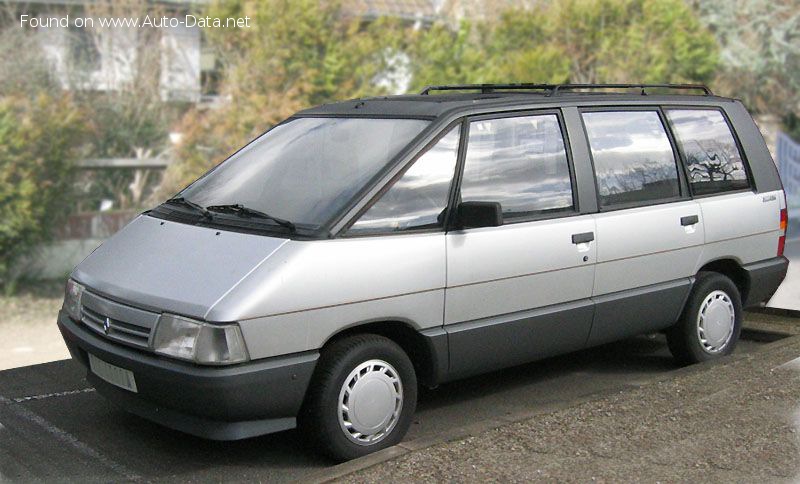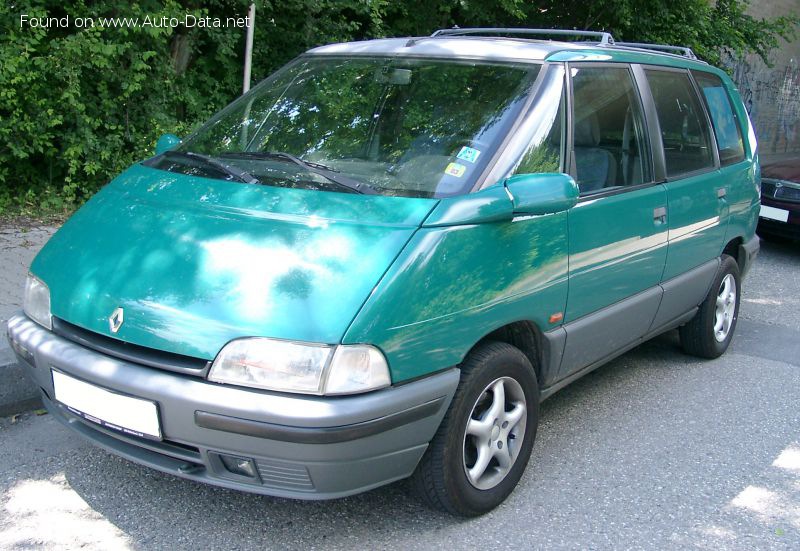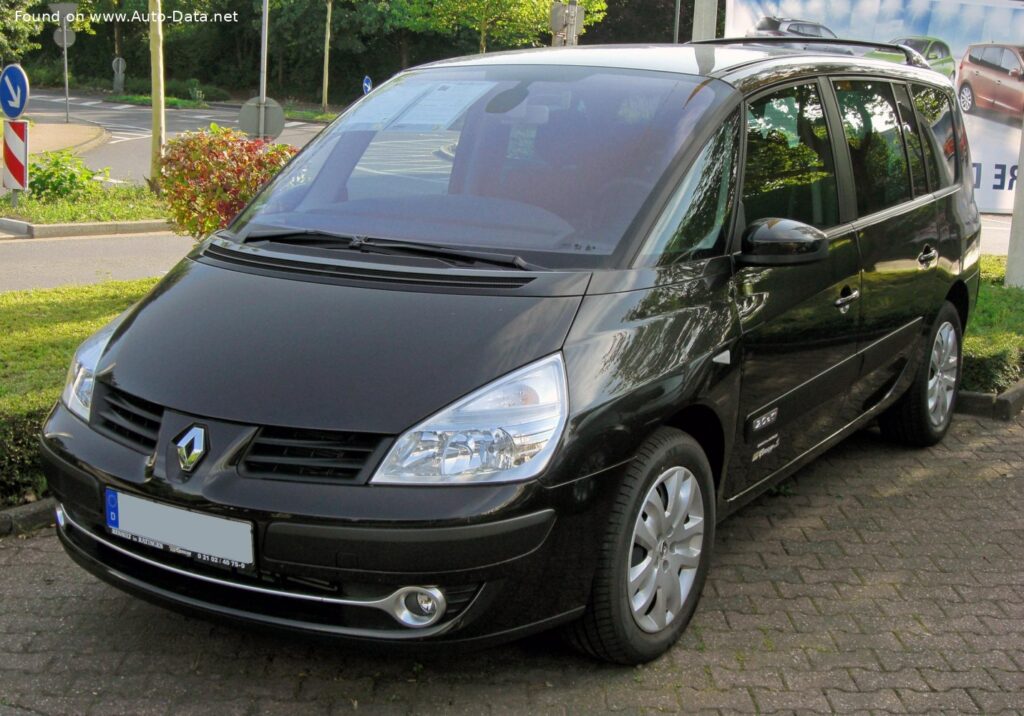
The automotive landscape of the early 21st century saw a divergence in family transportation preferences across continents. While North America largely embraced the traditional minivan, a European counterpart, the Multi-Purpose Vehicle (MPV), offered a distinct blend of style, versatility, and efficiency. Among these, the Renault Espace stood as a pioneering and enduring symbol, a vehicle that, despite its absence from the North American market in its later generations, profoundly shaped the global understanding of family-oriented design and engineering. The Renault Espace IV (Phase II, 2006) 2.0 dCi (150 Hp) Automatic represents a significant iteration of this European icon, showcasing Renault’s commitment to innovation in a segment they essentially created.
The Renault Espace IV (Phase II): Engineering for the European Family
The fourth generation of the Renault Espace, launched in 2002, marked a radical departure from its predecessors, adopting a more avant-garde design and incorporating advanced technology. The Phase II refresh, introduced in 2006, refined this vision, bringing subtle styling updates and powertrain enhancements. While the original Espace, launched in 1984, was a joint venture with Matra and pioneered the European MPV segment, the Espace IV was entirely a Renault design, built on the Nissan-Renault Alliance’s ‘D’ platform, shared with vehicles like the Laguna and Vel Satis. This generation emphasized a more car-like driving experience, superior safety, and a premium feel, aiming to solidify its position against growing competition from Volkswagen, Ford, and Peugeot offerings.
The Espace IV was notable for its shift from a largely composite body (as seen in earlier generations) to a more conventional steel unibody construction, albeit with some composite panels still utilized for weight saving and design flexibility. This change contributed to improved structural rigidity and crash performance, crucial aspects for a family vehicle. Its design language, characterized by smooth lines, a large glass area, and a distinctive front fascia, set it apart from its more utilitarian rivals. The Phase II update subtly tweaked elements such as the grille, headlights, and taillights, providing a fresher, more contemporary look without altering the fundamental design philosophy. Inside, the focus remained on modularity and comfort, offering a highly adaptable seating arrangement that could accommodate seven occupants or a vast cargo area, making it a truly versatile family vehicle.
A European Market Vehicle
The Renault Espace, throughout its history, was primarily a European market vehicle. Unlike the American minivan, which prioritized sheer interior volume and often featured sliding doors, the Espace aimed for a more sophisticated and integrated design. It appealed to European families who desired a vehicle that could serve as both a comfortable daily driver and a practical people carrier for weekend trips. The Espace’s emphasis on driving dynamics and a more refined interior also distinguished it from many of its competitors.
Engine & Performance of the Renault Espace IV (Phase II) 2.0 dCi (150 Hp) Automatic
At the heart of many European family vehicles in the mid-2000s was the efficient and torquey diesel engine, a stark contrast to the predominantly gasoline-powered minivans sold in North America. The Renault Espace IV (Phase II, 2006) 2.0 dCi (150 Hp) Automatic was a prime example of this trend. Powered by Renault’s M9R 2.0-liter dCi (direct common-rail injection) inline-four turbodiesel engine, it delivered a robust 150 horsepower at 4000 rpm. More impressively for a family hauler, it produced a substantial 250.77 lb-ft of torque at a low 2000 rpm, providing excellent pulling power and effortless cruising across varied European terrains, from autobahns to winding country roads.
This engine, paired with a sophisticated 6-speed automatic transmission, offered a balanced combination of performance and fuel economy. The Espace IV (Phase II) 2.0 dCi could accelerate from 0 to 60 mph in a respectable 11.8 seconds, demonstrating adequate pace for urban and highway driving. Its top speed of 116.82 mph further underscored its capability for long-distance travel. Fuel economy figures, crucial for European markets where fuel prices are higher, were impressive for a vehicle of its size: a combined 28.7 US mpg (8.2 l/100 km), with even better figures on the highway (34.6 US mpg or 6.8 l/100 km). Emitting 217 g/km of CO2, it met the stringent Euro 4 emission standard, reflecting the era’s growing environmental consciousness and Renault’s commitment to cleaner diesel technology. The front-wheel-drive architecture ensured predictable handling and maximized interior space, while the engine’s refinement contributed to a quiet and comfortable cabin environment.
Diesel Power in Europe
The prevalence of diesel engines in the European market during this period was driven by a combination of factors, including government incentives, lower fuel taxes on diesel, and the inherent fuel efficiency of diesel technology. The Renault Espace IV’s 2.0 dCi engine exemplified this trend, offering a compelling alternative to gasoline engines for families prioritizing fuel economy and long-distance cruising.
Design & Features
The design of the Renault Espace IV (Phase II) prioritized both aesthetics and functionality. Its sleek, aerodynamic profile minimized drag, contributing to improved fuel efficiency. The large glass area provided excellent visibility for the driver and passengers, enhancing safety and creating a spacious feel within the cabin. The Phase II refresh brought subtle but noticeable changes to the exterior, including a revised grille, headlights, and taillights, giving the vehicle a more modern and refined appearance.
Inside, the Espace IV excelled in versatility. The seating arrangement could be configured in numerous ways, allowing for up to seven passengers or a substantial cargo area. Individual seats could be folded flat or removed entirely, providing maximum flexibility for different needs. The interior materials were of a high quality, reflecting Renault’s ambition to position the Espace as a premium MPV. Standard features included air conditioning, power windows, central locking, and an audio system. Higher trim levels offered additional amenities such as leather upholstery, a sunroof, and a navigation system.
Safety was also a key consideration in the design of the Espace IV. It featured a robust steel unibody construction, along with a comprehensive suite of safety features, including anti-lock brakes (ABS), electronic stability control (ESC), and multiple airbags. These features helped to protect occupants in the event of a collision and contributed to the vehicle’s good crash test ratings.
Technical Specifications
| Engine Type | 2.0-liter dCi Turbo Diesel (M9R) |
| Displacement | 1,995 cc (121.6 cu in) |
| Horsepower | 150 hp (112 kW) @ 4,000 rpm |
| Torque | 250.77 lb-ft (340 Nm) @ 2,000 rpm |
| Transmission | 6-speed Automatic |
| Drivetrain | Front-Wheel Drive |
| 0-60 mph | 11.8 seconds |
| Top Speed | 116.82 mph (188 km/h) |
| Fuel Economy (Combined) | 28.7 US mpg (8.2 l/100 km) |
| Fuel Economy (Highway) | 34.6 US mpg (6.8 l/100 km) |
| CO2 Emissions | 217 g/km |
| Curb Weight | 3,862 lbs (1,752 kg) |
| Length | 181.3 in (4,605 mm) |
| Width | 72.8 in (1,850 mm) |
| Height | 63.0 in (1,600 mm) |