
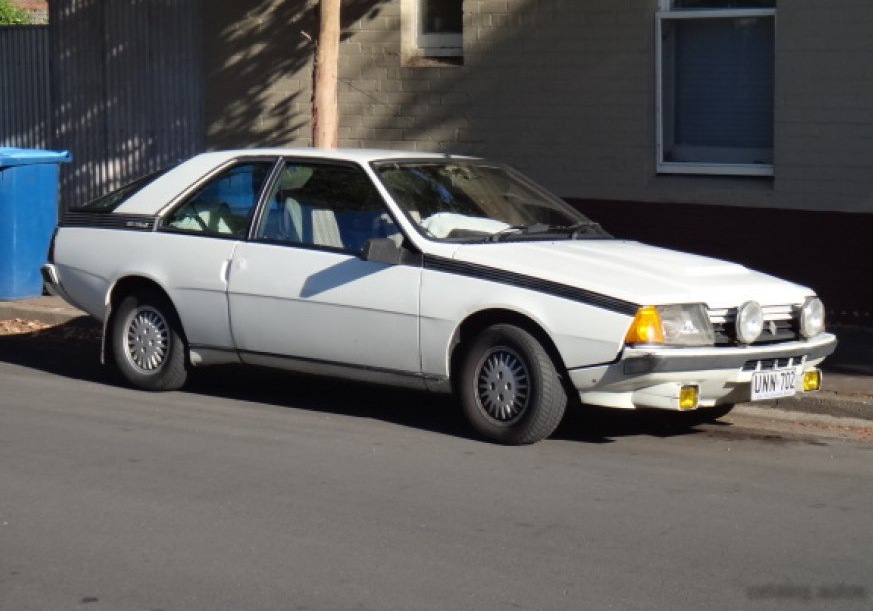
The Renault Fuego, produced between 1980 and 1985, was a stylish coupe intended to replace the Renault Caravelle. The Fuego represented a move towards more modern, sporty designs for Renault, and was notable for its fully independent suspension and relatively advanced features for its time. Within the Fuego range, the 1.6 TS/GTS variant, powered by the 843 engine series and producing 97 horsepower, occupied a mid-range position, offering a balance between performance and affordability. It served as a stepping stone between the base models and the more potent turbocharged versions.
Technical Specifications
| Brand | Renault |
| Model | Fuego |
| Generation | Fuego (136) |
| Type (Engine) | 1.6 TS/GTS (1362) (97 Hp) |
| Start of production | 1980 |
| End of production | 1985 |
| Powertrain Architecture | Internal Combustion engine |
| Body type | Coupe |
| Seats | 4 |
| Doors | 3 |
| Fuel Type | Petrol (Gasoline) |
| Power | 97 Hp |
| Engine Model/Code | 843 723, 843 724 |
| Engine aspiration | Naturally aspirated engine |
| Engine oil capacity | 4.3 l (4.54 US qt | 3.78 UK qt) |
| Coolant capacity | 6.3 l (6.66 US qt | 5.54 UK qt) |
| Fuel tank capacity | 57 l (15.06 US gal | 12.54 UK gal) |
Powertrain & Engine Architecture
The heart of the Fuego 1.6 TS/GTS is the Renault 843 series engine, a 1.6-liter (1607cc) inline-four cylinder powerplant. Engine codes 843 723 and 843 724 denote slight variations, primarily related to emissions control equipment depending on the target market. This engine is a naturally aspirated, overhead valve (OHV) design, utilizing a single camshaft in the block to actuate the valves. Fuel delivery is managed by a Bosch mechanical fuel injection system, a relatively sophisticated setup for the early 1980s, offering improved efficiency and driveability compared to carburetors. The 843 engine features a cast iron block and an aluminum cylinder head. The 97 horsepower output is achieved at 6000 rpm, with peak torque of approximately 103 lb-ft at 4000 rpm. The engine is mated to a three-speed automatic transmission, a common choice for buyers prioritizing comfort and ease of use over outright performance. This automatic transmission was a Renault-designed unit, known for its smooth operation but not particularly quick shifts.
Driving Characteristics
The Fuego 1.6 TS/GTS with the automatic transmission delivers a comfortable, if not particularly exhilarating, driving experience. The automatic gearbox, while smooth, does detract from the engine’s potential. Acceleration is adequate for everyday driving, with a 0-60 mph time estimated around 12-13 seconds. The gear ratios are geared towards fuel economy and relaxed cruising rather than rapid acceleration. Compared to the five-speed manual version of the 1.6, the automatic suffers a noticeable performance penalty. The manual transmission allowed the engine to rev more freely and maintain momentum better, especially on hills. The fully independent suspension – a double wishbone setup at the front and a twist-beam axle at the rear – provides a reasonably compliant ride, absorbing bumps effectively. However, the car’s relatively soft suspension setup results in noticeable body roll during cornering. Steering is power-assisted, making maneuvering easy, but lacks significant feedback.
Equipment & Trim Levels
The 1.6 TS/GTS trim level offered a reasonable level of equipment for its price point. Standard features typically included cloth upholstery, a basic AM/FM radio, and power steering. The “TS” designation generally indicated a slightly higher level of trim than the base models. Optional extras included a sunroof, upgraded stereo systems, and metallic paint finishes. Interior appointments were functional and relatively simple, reflecting the car’s overall focus on affordability. The dashboard layout is driver-focused, with clearly marked gauges for speed, fuel level, coolant temperature, and battery voltage. The GTS variant, when available, often added features like alloy wheels and a more sporty interior trim.
Chassis & Braking
The Renault Fuego utilizes a monocoque chassis construction, providing a good balance of rigidity and weight. The front suspension features independent double wishbones with coil springs and anti-roll bar, while the rear suspension employs a torsion beam axle with coil springs. Braking on the 1.6 TS/GTS typically consists of disc brakes at the front and drum brakes at the rear. The braking system is hydraulically assisted, providing adequate stopping power for normal driving conditions. The car’s relatively light weight (around 2400 lbs) helps to compensate for the less powerful engine and drum brakes at the rear. Stabilizer bars were fitted to both the front and rear axles to reduce body roll during cornering.
Market Reception & Comparison
The Renault Fuego 1.6 TS/GTS was generally well-received by automotive critics as an attractive and reasonably priced coupe. However, the automatic transmission was often criticized for diminishing the engine’s performance. Compared to other coupes of the era, such as the Ford Capri or Opel Manta, the Fuego offered a more modern design and a more comfortable ride. Fuel economy was respectable for the time, averaging around 25-30 mpg. Reliability was generally good, although the Bosch fuel injection system could occasionally require maintenance. The 1.6-liter engine proved to be durable and relatively easy to maintain. The turbocharged versions of the Fuego, while more expensive, offered significantly higher performance and were favored by enthusiasts.
Legacy
The Renault Fuego, while not a massive sales success, remains a fondly remembered coupe from the 1980s. The 1.6 TS/GTS variant, with its automatic transmission, represents a practical and affordable entry point into Fuego ownership. Today, these cars are becoming increasingly collectible, particularly well-maintained examples. The 843 engine, while not known for its high performance, is generally reliable and parts availability is reasonable. The Fuego’s fully independent suspension and stylish design continue to appeal to enthusiasts, and it represents a unique chapter in Renault’s history. The automatic transmission models, while less desirable to performance enthusiasts, offer a comfortable and accessible classic car experience.
