
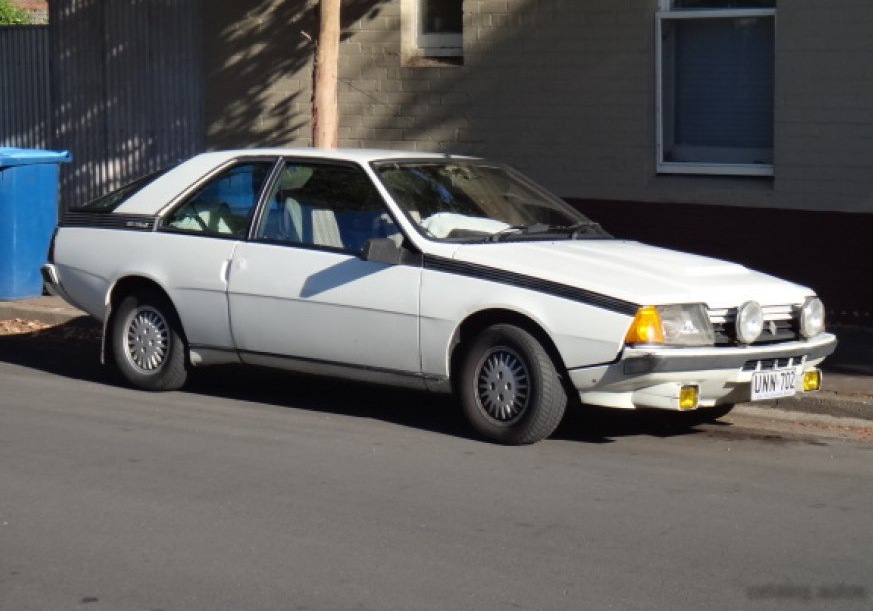
The Renault Fuego 2.1 TD, produced between 1982 and 1985, represented a unique offering within the Fuego range. This variant, designated internally as the 136 series, combined the coupe’s distinctive styling with a turbocharged diesel engine, aimed at providing a blend of performance and fuel economy. It occupied a niche position in the Fuego lineup, positioned as a more economical alternative to the gasoline-powered models, while still offering a sporty coupe experience. The Fuego itself was Renault’s attempt to replace the aging Renault Caravelle, aiming for a more modern and driver-focused vehicle.
Technical Specifications
| Brand | Renault |
| Model | Fuego |
| Generation | Fuego (136) |
| Type (Engine) | 2.1 TD (88 Hp) |
| Start of production | 1982 |
| End of production | 1985 |
| Powertrain Architecture | Internal Combustion engine |
| Body type | Coupe |
| Seats | 4 |
| Doors | 3 |
| Fuel Type | Diesel |
| Power | 88 Hp |
| Engine Model/Code | J8S 712 |
| Engine aspiration | Turbocharger |
| Engine oil capacity | 6.3 l (6.66 US qt | 5.54 UK qt) |
| Coolant capacity | 8.5 l (8.98 US qt | 7.48 UK qt) |
| Fuel tank capacity | 57 l (15.06 US gal | 12.54 UK gal) |
Powertrain & Engine Architecture
The heart of the Fuego 2.1 TD was the J8S 712 engine, a 2.1-liter inline-four cylinder diesel. This engine was notable for its turbocharger, a relatively uncommon feature for diesel engines of the early 1980s. The turbocharger significantly boosted power output compared to naturally aspirated diesel engines of similar displacement, bringing it to 88 horsepower. The engine utilized indirect injection, a common diesel technology at the time, employing a pre-chamber combustion system. This system involved a small auxiliary combustion chamber where fuel was initially injected and ignited, then transferred to the main cylinder for complete combustion. This design helped improve combustion efficiency and reduce noise, typical characteristics of early diesel engines. The engine was paired with a three-speed automatic transmission, a somewhat unusual choice given the engine’s torque characteristics. While offering convenience, the three-speed automatic limited the engine’s potential for optimal fuel efficiency and acceleration.
Driving Characteristics
The Fuego 2.1 TD, with its turbocharged diesel and automatic transmission, offered a distinct driving experience. Acceleration was adequate, but not particularly brisk, with the 88 horsepower needing to propel a relatively heavy coupe body. The turbocharger did provide a noticeable boost in power once spooled up, but there was some degree of turbo lag. The three-speed automatic transmission, while smooth, lacked the flexibility of a manual gearbox or a more modern automatic with additional gears. Gear ratios were optimized for cruising rather than spirited driving. In real-world conditions, the Fuego 2.1 TD excelled at highway driving, offering comfortable cruising and good fuel economy. However, it felt somewhat sluggish in city traffic or when attempting quick overtaking maneuvers. Compared to the gasoline-powered Fuego models, the diesel offered significantly better fuel economy, but at the expense of outright performance. The diesel’s torque characteristics meant it didn’t require frequent downshifting, making it a relatively relaxed car to drive on long journeys.
Equipment & Trim Levels
The Fuego 2.1 TD typically came with a reasonable level of standard equipment, reflecting its position as a mid-range offering. Standard features included cloth upholstery, a basic stereo system, and power steering. Air conditioning was often an optional extra. The interior design was typical of early 1980s Renaults, with a functional but somewhat dated appearance. The dashboard featured analog gauges and a simple layout. Trim levels were relatively limited for the diesel variant. Options generally included upgraded stereo systems, metallic paint finishes, and sunroofs. The interior trim was generally consistent across the 2.1 TD models, with variations primarily limited to the availability of optional extras. The Fuego’s interior was praised for its spaciousness for a coupe, offering comfortable seating for four adults.
Chassis & Braking
The Fuego 2.1 TD utilized a MacPherson strut front suspension and a twist-beam rear suspension. This setup provided a reasonable balance between ride comfort and handling. The front suspension incorporated anti-roll bar to reduce body roll during cornering. The braking system consisted of disc brakes at the front and drum brakes at the rear. While adequate for normal driving conditions, the drum brakes at the rear were a limitation compared to all-disc setups found on some of the higher-performance Fuego models. The steering was power-assisted, making it relatively easy to maneuver at low speeds. The chassis was relatively lightweight for a coupe of its size, contributing to its decent handling characteristics. However, the suspension wasn’t particularly sophisticated, and the car didn’t offer the same level of handling precision as some of its competitors.
Market Reception & Comparison
The Renault Fuego 2.1 TD received mixed reviews from automotive critics. While the coupe’s styling was generally praised, the diesel engine and automatic transmission combination was often criticized for its lack of performance. Critics noted that the diesel engine, while fuel-efficient, lacked the refinement and responsiveness of the gasoline-powered engines. The three-speed automatic transmission was also seen as a limiting factor, hindering the engine’s potential. Compared to other Fuego models, such as the 1.6 and 2.0-liter gasoline versions, the 2.1 TD offered significantly better fuel economy but considerably less performance. It appealed to buyers who prioritized fuel efficiency and practicality over outright speed. In terms of reliability, the J8S 712 diesel engine was generally considered to be robust and durable, but the automatic transmission could be prone to issues if not properly maintained.
Legacy
The Renault Fuego 2.1 TD, while not a high-volume seller, remains a distinctive and interesting vehicle. Today, it’s a relatively rare sight on the roads, and well-maintained examples are sought after by classic car enthusiasts. The J8S 712 diesel engine, while not known for its high performance, is appreciated for its durability and fuel efficiency. The Fuego 2.1 TD represents a unique chapter in Renault’s history, showcasing the company’s attempt to combine the appeal of a coupe with the practicality of a diesel engine. In the used car market, the Fuego 2.1 TD typically commands a modest price, reflecting its age and relative rarity. Parts availability can be a challenge, but a dedicated community of Fuego owners and enthusiasts helps to keep these cars on the road.
