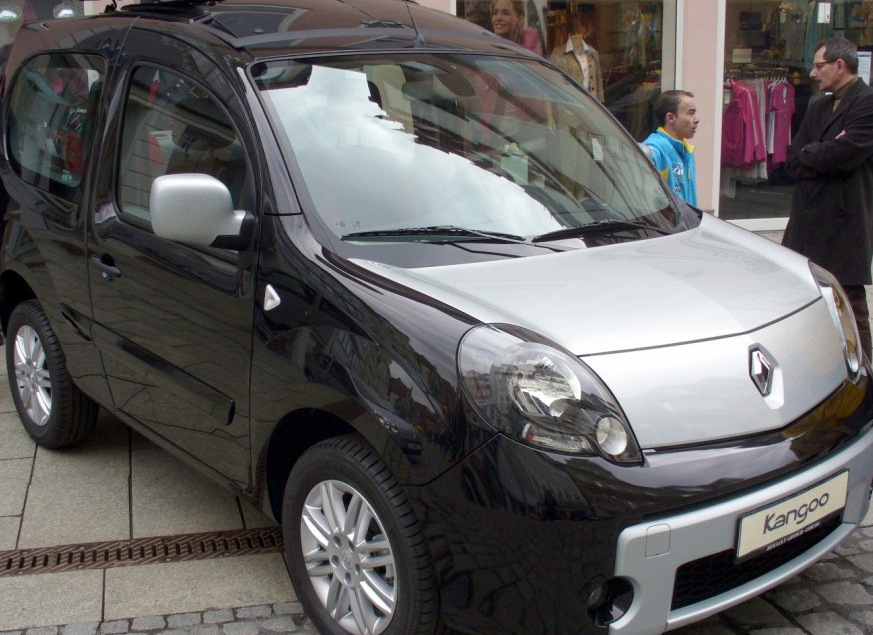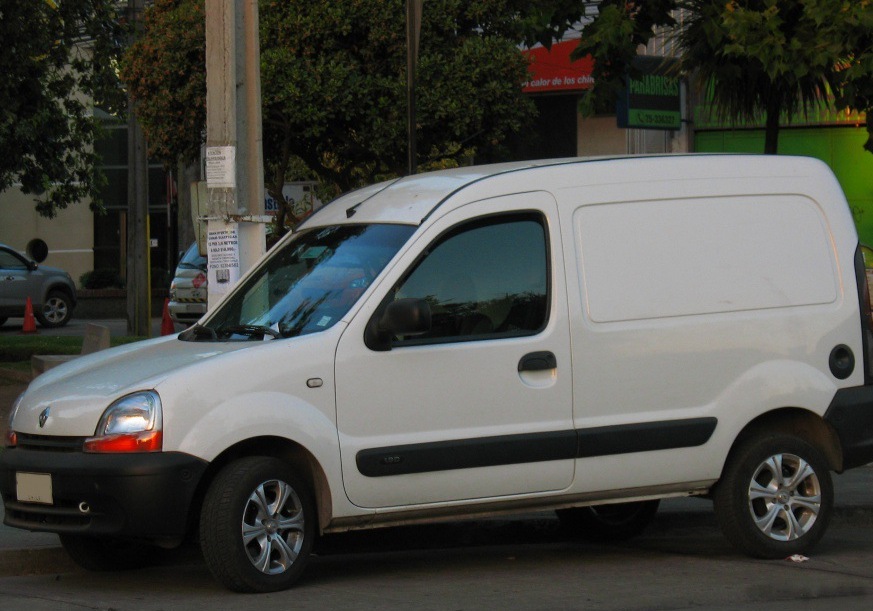
The Renault Kangoo I Express (FC) 1.6i 16V 4×4, produced between 2001 and 2003, represents a niche offering within the first generation Kangoo range. Positioned as a utilitarian, all-wheel-drive variant of Renault’s popular light commercial vehicle, it catered to buyers needing enhanced traction for work or leisure. This model, built on the Kangoo I (FC) platform, distinguished itself from the standard front-wheel-drive versions with its robust drivetrain and practical, no-frills interior. It primarily served markets where inclement weather or rough terrain were common, offering a versatile solution for small businesses and individuals alike.
Technical Specifications
| Brand | Renault |
| Model | Kangoo |
| Generation | Kangoo I Express (FC) |
| Type (Engine) | 1.6i 16V (95 Hp) 4×4 |
| Start of production | 2001 |
| End of production | 2003 |
| Powertrain Architecture | Internal Combustion engine |
| Body type | Minivan |
| Seats | 2 |
| Doors | 3 |
| Fuel consumption (urban) | 10.8 l/100 km (21.8 US mpg, 26.2 UK mpg, 9.3 km/l) |
| Fuel consumption (extra urban) | 7.3 l/100 km (32.2 US mpg, 38.7 UK mpg, 13.7 km/l) |
| Fuel consumption (combined) | 8.6 l/100 km (27.4 US mpg, 32.8 UK mpg, 11.6 km/l) |
| CO2 emissions | 208 g/km |
| Fuel Type | Petrol (Gasoline) |
| Acceleration 0 – 100 km/h | 13.1 sec |
| Acceleration 0 – 62 mph | 13.1 sec |
| Acceleration 0 – 60 mph | 12.4 sec |
| Maximum speed | 153 km/h (95.07 mph) |
| Weight-to-power ratio | 14.1 kg/Hp, 71.2 Hp/tonne |
| Weight-to-torque ratio | 9 kg/Nm, 110.9 Nm/tonne |
| Power | 95 Hp @ 5000 rpm |
| Power per litre | 59.4 Hp/l |
| Torque | 148 Nm @ 3750 rpm (109.16 lb.-ft. @ 3750 rpm) |
| Engine layout | Front, Transverse |
| Engine Model/Code | K4M |
| Engine displacement | 1598 cm3 (97.52 cu. in.) |
| Number of cylinders | 4 |
| Engine configuration | Inline |
| Cylinder Bore | 79.5 mm (3.13 in.) |
| Piston Stroke | 80.5 mm (3.17 in.) |
| Number of valves per cylinder | 4 |
| Fuel injection system | Multi-port manifold injection |
| Engine aspiration | Naturally aspirated engine |
| Valvetrain | DOHC |
| Engine oil capacity | 4.9 l (5.18 US qt | 4.31 UK qt) |
| Coolant | 6 l (6.34 US qt | 5.28 UK qt) |
| Kerb Weight | 1335 kg (2943.17 lbs.) |
| Max. weight | 1860 kg (4100.6 lbs.) |
| Max load | 525 kg (1157.43 lbs.) |
| Trunk (boot) space – maximum | 2750 l (97.12 cu. ft.) |
| Fuel tank capacity | 60 l (15.85 US gal | 13.2 UK gal) |
| Max. roof load | 100 kg (220.46 lbs.) |
| Permitted trailer load with brakes (12%) | 830 kg (1829.84 lbs.) |
| Permitted trailer load without brakes | 630 kg (1388.91 lbs.) |
| Permitted towbar download | 75 kg (165.35 lbs.) |
| Length | 3995 mm (157.28 in.) |
| Width | 1675 mm (65.94 in.) |
| Width including mirrors | 2015 mm (79.33 in.) |
| Height | 1894 mm (74.57 in.) |
| Wheelbase | 2600 mm (102.36 in.) |
| Front track | 1410 mm (55.51 in.) |
| Rear (Back) track | 1430 mm (56.3 in.) |
| Front overhang | 692 mm (27.24 in.) |
| Rear overhang | 703 mm (27.68 in.) |
| Minimum turning circle | 10.95 m (35.93 ft.) |
| Drive wheel | All wheel drive (4×4) |
| Number of gears and type of gearbox | 5 gears, manual transmission |
| Front suspension | Spring Strut |
| Rear suspension | Trailing arm |
| Front brakes | Ventilated discs |
| Rear brakes | Drum |
| Assisting systems | ABS (Anti-lock braking system) |
| Steering type | Steering rack and pinion |
| Power steering | Hydraulic Steering |
| Tires size | 185/65 R15 T |
| Wheel rims size | 15 |
INTRODUCTION
The Renault Kangoo I Express (FC) 1.6i 16V 4×4, launched in 2001, was a relatively short-lived variant of Renault’s popular compact van. It was designed to broaden the Kangoo’s appeal to customers requiring all-weather capability. The “Express” designation denoted the commercial-oriented trim level, typically featuring a more basic interior and focused on practicality. This particular model utilized Renault’s K4M engine paired with a five-speed manual transmission and a viscous-coupled all-wheel-drive system. It occupied a unique position within the Kangoo lineup, offering a compromise between the affordability of the standard models and the enhanced capability of larger, more expensive vans.
Powertrain & Engine Architecture
At the heart of the Kangoo 1.6i 16V 4×4 lies Renault’s K4M engine, a 1.6-liter inline-four cylinder petrol engine. This engine, a mainstay in many Renault and associated brand vehicles of the era, features a double overhead camshaft (DOHC) valvetrain and multi-point fuel injection. The 16-valve configuration contributes to its relatively high output for its displacement. The engine produces 95 horsepower at 5000 rpm and 148 Nm (109.16 lb-ft) of torque at 3750 rpm. The all-wheel-drive system is a simple, part-time setup employing a viscous coupling. Under normal driving conditions, the system operates in front-wheel drive, engaging the rear wheels only when slip is detected. The five-speed manual transmission provides a fairly conventional gear ratio spread, prioritizing fuel economy over outright performance.
Driving Characteristics
The Kangoo 1.6i 16V 4×4’s driving experience is defined by its practicality rather than sporting prowess. The 95 hp engine, while adequate for everyday driving, feels strained when fully loaded or tackling steep inclines. Acceleration from 0-60 mph takes around 12.4 seconds, and the top speed is approximately 95 mph. The all-wheel-drive system provides noticeable improvements in traction on slippery surfaces, making it a capable performer in snow or on unpaved roads. However, the viscous coupling isn’t particularly sophisticated, and the system can be slow to react in certain situations. The manual transmission is light and easy to use, but the gear ratios are spaced to favor economy, requiring frequent shifting to maintain momentum. Compared to the standard front-wheel-drive Kangoo, the 4×4 variant feels heavier and less nimble, but the added security of all-wheel drive is a significant benefit in challenging conditions.
Equipment & Trim Levels
As an “Express” model, the Kangoo 1.6i 16V 4×4 was typically equipped with a fairly basic level of trim. Standard features generally included power steering, ABS brakes, and a driver’s airbag. The interior was functional and durable, with hard-wearing plastic surfaces and cloth upholstery. Air conditioning and a radio/cassette player were often optional extras. The focus was on providing a practical and reliable work vehicle, rather than luxury or comfort. The rear cargo area offered a substantial 2750 liters of space, making it ideal for carrying goods or equipment.
Chassis & Braking
The Kangoo I Express 4×4 utilizes a relatively simple chassis design. Front suspension consists of MacPherson struts, while the rear employs a trailing arm setup. This configuration provides a reasonable balance between ride comfort and handling. The braking system features ventilated discs on the front wheels and drum brakes on the rear. While adequate for the vehicle’s weight and performance, the rear drum brakes are less effective than disc brakes, particularly in demanding situations. The all-wheel-drive system adds weight and complexity to the chassis, requiring a more robust suspension setup to maintain stability and control.
Market Reception & Comparison
The Kangoo 1.6i 16V 4×4 received mixed reviews from automotive critics. While the all-wheel-drive system was praised for its added capability, the engine was often criticized for being underpowered, especially when combined with the added weight of the 4×4 drivetrain. Fuel economy was also a concern, with the combined cycle consumption of 8.6 l/100 km being relatively high for a vehicle of this size. Compared to other Kangoo variants, the 4×4 was significantly more expensive, making it a less attractive option for budget-conscious buyers. However, for those needing all-weather capability, it offered a unique and practical solution.
Legacy
The Renault Kangoo I Express 1.6i 16V 4×4, while not a high-volume seller, has developed a reputation for reliability and durability. The K4M engine is known to be relatively robust, and the all-wheel-drive system, while simple, is generally dependable. Today, these vans are relatively rare on the used car market, and well-maintained examples are sought after by enthusiasts and tradespeople alike. The combination of practicality, all-wheel-drive capability, and relatively low running costs makes it a compelling choice for those needing a versatile and reliable light commercial vehicle.