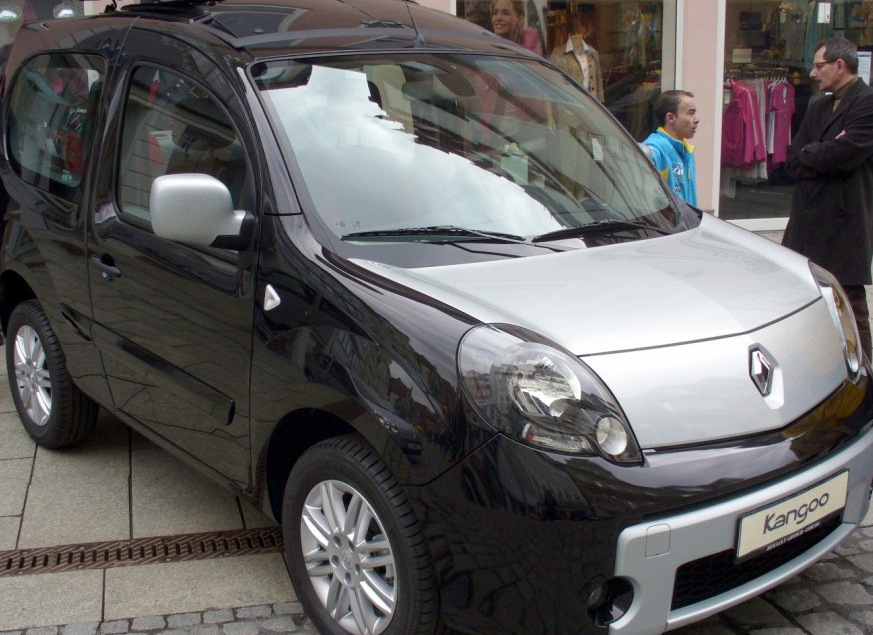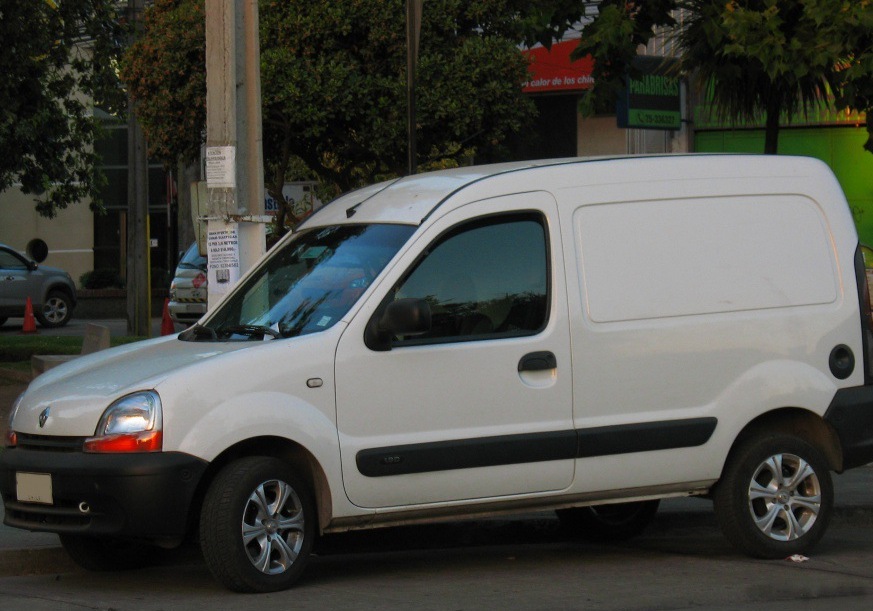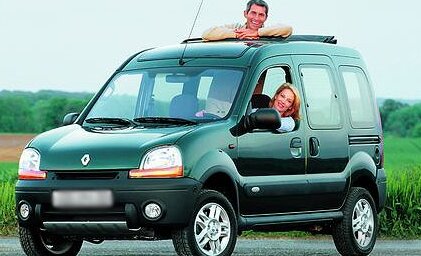
The Renault Kangoo I, produced from 1997 to 2007, represented Renault’s entry into the increasingly popular compact multi-purpose vehicle (MPV) segment. The first generation (KC) was a collaborative effort with Mercedes-Benz, sharing a platform and some components with the first-generation Mercedes-Benz A-Class. The 1.2i 16V variant, available from 2001 to 2003, served as the entry-level engine option for the Kangoo, targeting buyers prioritizing affordability and practicality over outright performance. This version occupied the lower end of the Kangoo lineup, positioned below the 1.4L and 1.6L petrol engines, as well as the diesel options.
Technical Specifications
| Brand | Renault |
| Model | Kangoo |
| Generation | Kangoo I (KC) |
| Type (Engine) | 1.2i 16V (75 Hp) |
| Start of production | 2001 |
| End of production | 2003 |
| Powertrain Architecture | Internal Combustion engine |
| Body type | Minivan |
| Seats | 5 |
| Doors | 4 |
| Fuel consumption (urban) | 9 l/100 km (26.1 US mpg, 31.4 UK mpg, 11.1 km/l) |
| Fuel consumption (extra urban) | 5.9 l/100 km (39.9 US mpg, 47.9 UK mpg, 16.9 km/l) |
| Fuel consumption (combined) | 7 l/100 km (33.6 US mpg, 40.4 UK mpg, 14.3 km/l) |
| CO2 emissions | 165 g/km |
| Fuel Type | Petrol (Gasoline) |
| Acceleration 0 – 100 km/h | 14.7 sec |
| Acceleration 0 – 62 mph | 14.7 sec |
| Acceleration 0 – 60 mph | 14 sec |
| Maximum speed | 154 km/h (95.69 mph) |
| Weight-to-power ratio | 14.8 kg/Hp, 67.6 Hp/tonne |
| Weight-to-torque ratio | 10.6 kg/Nm, 94.6 Nm/tonne |
| Power | 75 Hp @ 5500 rpm |
| Power per litre | 65.3 Hp/l |
| Torque | 105 Nm @ 4250 rpm (77.44 lb.-ft. @ 4250 rpm) |
| Engine layout | Front, Transverse |
| Engine Model/Code | D7F |
| Engine displacement | 1149 cm3 (70.12 cu. in.) |
| Number of cylinders | 4 |
| Engine configuration | Inline |
| Cylinder Bore | 69 mm (2.72 in.) |
| Piston Stroke | 76.8 mm (3.02 in.) |
| Compression ratio | 9.8:1 |
| Number of valves per cylinder | 4 |
| Fuel injection system | Multi-port manifold injection |
| Engine aspiration | Naturally aspirated engine |
| Valvetrain | DOHC |
| Engine oil capacity | 4 l (4.23 US qt | 3.52 UK qt) |
| Coolant | 4.5 l (4.76 US qt | 3.96 UK qt) |
| Kerb Weight | 1110 kg (2447.13 lbs.) |
| Max. weight | 1570 kg (3461.26 lbs.) |
| Max load | 460 kg (1014.13 lbs.) |
| Trunk (boot) space – minimum | 650 l (22.95 cu. ft.) |
| Trunk (boot) space – maximum | 2600 l (91.82 cu. ft.) |
| Fuel tank capacity | 50 l (13.21 US gal | 11 UK gal) |
| Max. roof load | 100 kg (220.46 lbs.) |
| Permitted trailer load with brakes (12%) | 1150 kg (2535.32 lbs.) |
| Permitted trailer load without brakes | 555 kg (1223.57 lbs.) |
| Permitted towbar download | 75 kg (165.35 lbs.) |
| Length | 3995 mm (157.28 in.) |
| Width | 1663 mm (65.47 in.) |
| Width including mirrors | 2015 mm (79.33 in.) |
| Height | 1827 mm (71.93 in.) |
| Wheelbase | 2600 mm (102.36 in.) |
| Front track | 1405 mm (55.31 in.) |
| Rear (Back) track | 1415 mm (55.71 in.) |
| Front overhang | 692 mm (27.24 in.) |
| Rear overhang | 703 mm (27.68 in.) |
| Minimum turning circle | 10.95 m (35.93 ft.) |
| Drivetrain | Front wheel drive |
| Number of gears | 5 gears, manual transmission |
| Front suspension | Spring Strut |
| Rear suspension | Trailing arm |
| Front brakes | Ventilated discs |
| Rear brakes | Drum |
| Assisting systems | ABS (Anti-lock braking system) |
| Steering type | Steering rack and pinion |
| Power steering | Hydraulic Steering |
| Tires size | 165/75 R14 C |
| Wheel rims size | 5.5J x 14 |
Powertrain & Engine Architecture
The 1.2i 16V engine, designated the D7F code, is a naturally aspirated, inline-four cylinder petrol engine. It features a multi-point fuel injection system and a double overhead camshaft (DOHC) valvetrain, contributing to its relatively efficient operation for its time. The 16 valves (four per cylinder) enhance breathing and contribute to a slightly broader powerband than earlier 8-valve designs. The engine’s 1149cc displacement and modest 75 horsepower output were geared towards fuel economy rather than spirited performance. The Kangoo 1.2i typically came equipped with a five-speed manual transmission, although a four-speed automatic transmission was also offered, albeit less commonly. The automatic transmission, while providing convenience, further reduced acceleration and increased fuel consumption.
Driving Characteristics
The 1.2i 16V Kangoo, particularly when paired with the automatic transmission, offered a decidedly unhurried driving experience. Acceleration from 0-60 mph took around 14 seconds, and top speed was limited to approximately 96 mph. The engine felt strained when climbing hills or carrying a full load. The automatic transmission’s gear ratios were optimized for fuel efficiency, resulting in a noticeable delay in downshifts when needing to accelerate quickly. Compared to the 1.4L or 1.6L petrol versions, or the diesel options, the 1.2i felt significantly underpowered. However, its lighter weight and predictable handling made it relatively easy to drive in urban environments.
Equipment & Trim Levels
The 1.2i Kangoo typically came with a basic level of equipment. Standard features generally included power steering, central locking, and a driver’s airbag. Interior upholstery was typically cloth, and the dashboard featured a simple, functional design. Optional extras included air conditioning, electric windows, and a radio/cassette player. Higher trim levels, available with the larger engines, offered features like alloy wheels, upgraded interior trim, and more advanced audio systems. The 1.2i was often seen as a workhorse vehicle, so many examples were equipped with minimal extras.
Chassis & Braking
The Kangoo I utilized a relatively simple chassis design. Front suspension consisted of MacPherson struts, while the rear employed a trailing arm setup. This configuration provided a comfortable ride, but handling was not particularly sharp. Braking was typically accomplished with ventilated discs on the front wheels and drum brakes on the rear. Anti-lock Braking System (ABS) was standard equipment, enhancing safety. The suspension was tuned for comfort and load-carrying capacity, rather than sporty handling.
Market Reception & Comparison
The 1.2i Kangoo was generally well-received as an affordable and practical MPV. Critics acknowledged its fuel efficiency and spacious interior, but often criticized its lack of power, especially with the automatic transmission. Compared to the 1.4L and 1.6L petrol versions, the 1.2i offered lower running costs but compromised on performance. The diesel models provided superior fuel economy and torque, making them a popular choice for those covering long distances or frequently carrying heavy loads. The 1.2i appealed to buyers who prioritized budget-friendliness and ease of use over driving excitement.
Legacy
The Renault Kangoo I 1.2i 16V, while not known for its performance, proved to be a reliable and durable vehicle. The D7F engine, when properly maintained, is known for its longevity. Today, these Kangoos are relatively affordable on the used car market, making them a popular choice for budget-conscious buyers. However, potential buyers should be aware of potential issues with rust, particularly on older examples. The 1.2i automatic combination, while the slowest variant, remains a viable option for those seeking a simple, practical, and economical MPV.