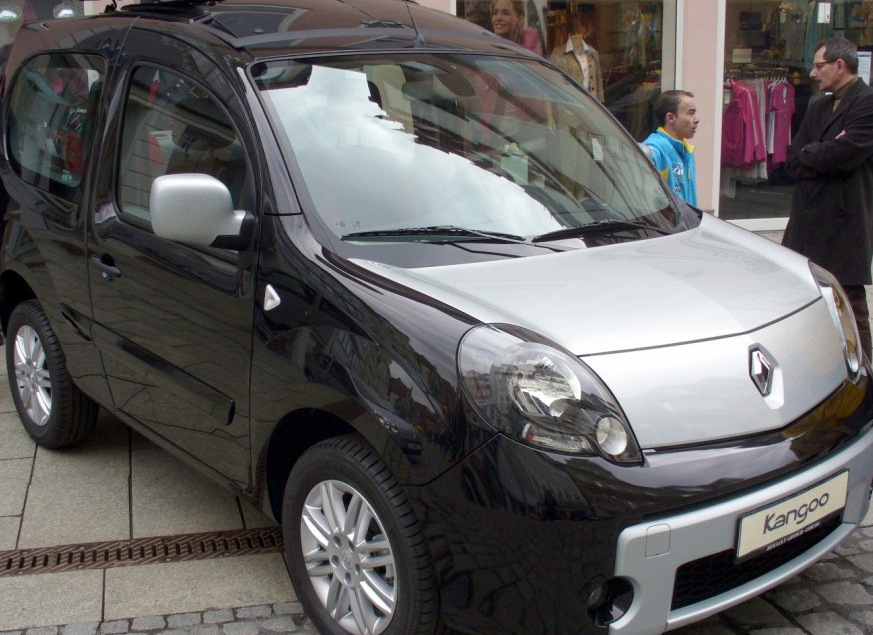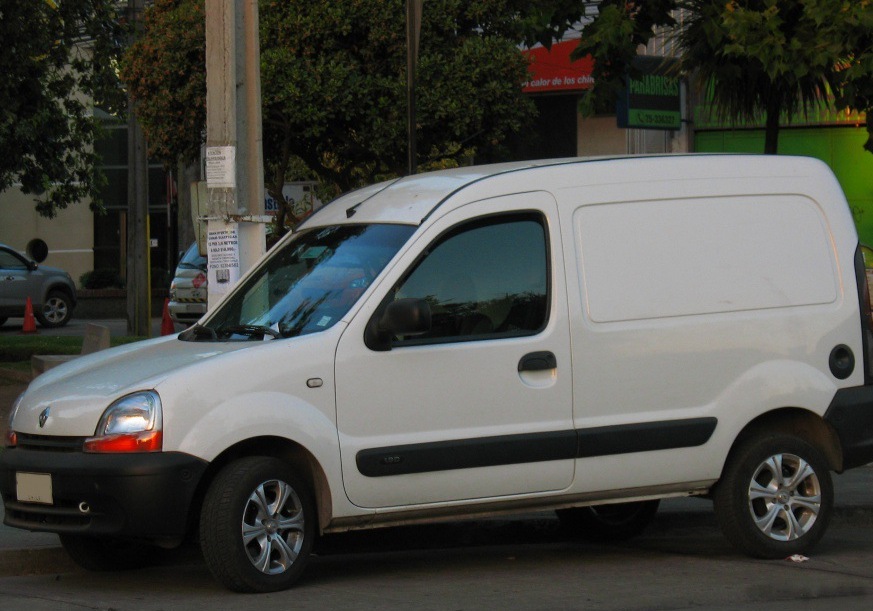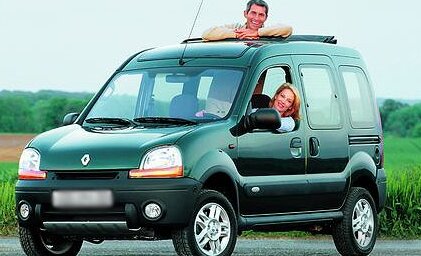
The Renault Kangoo I, specifically the 1.9 dCi (80 hp) 4×4 variant, was produced between 2001 and 2003. This model represented a niche offering within the first generation (KC) Kangoo range, combining the practicality of the Kangoo van-based leisure activity vehicle (LAV) with the added capability of all-wheel drive. Positioned as a more rugged and versatile option, it catered to buyers needing enhanced traction for varied terrains or inclement weather. The Kangoo I itself was a significant vehicle for Renault, offering a compact, affordable, and functional alternative to larger MPVs and estate cars, particularly popular in Europe.
Technical Specifications
| Brand | Renault |
| Model | Kangoo |
| Generation | Kangoo I (KC) |
| Type (Engine) | 1.9 dCi (80 Hp) 4×4 |
| Start of production | 2001 |
| End of production | 2003 |
| Powertrain Architecture | Internal Combustion engine |
| Body type | Minivan |
| Seats | 5 |
| Doors | 4 |
| Fuel consumption (urban) | 9.3 l/100 km (25.3 US mpg, 30.4 UK mpg, 10.8 km/l) |
| Fuel consumption (extra urban) | 6.3 l/100 km (37.3 US mpg, 44.8 UK mpg, 15.9 km/l) |
| Fuel consumption (combined) | 7.4 l/100 km (31.8 US mpg, 38.2 UK mpg, 13.5 km/l) |
| CO2 emissions | 196 g/km |
| Fuel Type | Diesel |
| Acceleration 0 – 100 km/h | 16.2 sec |
| Acceleration 0 – 62 mph | 16.2 sec |
| Acceleration 0 – 60 mph | 15.4 sec |
| Maximum speed | 142 km/h (88.23 mph) |
| Weight-to-power ratio | 17.6 kg/Hp, 56.9 Hp/tonne |
| Weight-to-torque ratio | 8.8 kg/Nm, 113.9 Nm/tonne |
| Power | 80 Hp @ 4000 rpm |
| Power per litre | 42.8 Hp/l |
| Torque | 160 Nm @ 2000 rpm (118.01 lb.-ft. @ 2000 rpm) |
| Engine layout | Front, Transverse |
| Engine Model/Code | F8Q |
| Engine displacement | 1870 cm3 (114.11 cu. in.) |
| Number of cylinders | 4 |
| Engine configuration | Inline |
| Cylinder Bore | 80 mm (3.15 in.) |
| Piston Stroke | 93 mm (3.66 in.) |
| Compression ratio | 18.3:1 |
| Number of valves per cylinder | 2 |
| Fuel injection system | Diesel Commonrail |
| Engine aspiration | Turbocharger, Intercooler |
| Valvetrain | OHC |
| Engine oil capacity | 5.2 l (5.49 US qt | 4.58 UK qt) |
| Coolant | 7.4 l (7.82 US qt | 6.51 UK qt) |
| Kerb Weight | 1405 kg (3097.49 lbs.) |
| Max. weight | 1830 kg (4034.46 lbs.) |
| Max load | 425 kg (936.96 lbs.) |
| Trunk (boot) space – minimum | 650 l (22.95 cu. ft.) |
| Trunk (boot) space – maximum | 2600 l (91.82 cu. ft.) |
| Fuel tank capacity | 60 l (15.85 US gal | 13.2 UK gal) |
| Max. roof load | 100 kg (220.46 lbs.) |
| Permitted trailer load with brakes (12%) | 1150 kg (2535.32 lbs.) |
| Permitted trailer load without brakes | 700 kg (1543.24 lbs.) |
| Permitted towbar download | 75 kg (165.35 lbs.) |
| Length | 3995 mm (157.28 in.) |
| Width | 1663 mm (65.47 in.) |
| Width including mirrors | 2015 mm (79.33 in.) |
| Height | 1894 mm (74.57 in.) |
| Wheelbase | 2600 mm (102.36 in.) |
| Front track | 1410 mm (55.51 in.) |
| Rear (Back) track | 1430 mm (56.3 in.) |
| Front overhang | 692 mm (27.24 in.) |
| Rear overhang | 703 mm (27.68 in.) |
| Minimum turning circle | 10.95 m (35.93 ft.) |
| Drive wheel | All wheel drive (4×4) |
| Number of gears and type of gearbox | 5 gears, manual transmission |
| Front suspension | Spring Strut |
| Rear suspension | Trailing arm |
| Front brakes | Ventilated discs |
| Rear brakes | Drum |
| Assisting systems | ABS (Anti-lock braking system) |
| Steering type | Steering rack and pinion |
| Power steering | Hydraulic Steering |
| Tires size | 185/65 R15 |
| Wheel rims size | 15 |
Powertrain & Engine Architecture
The heart of the Kangoo I 1.9 dCi 4×4 is the F8Q engine, a 1.9-liter inline-four cylinder diesel. This engine was a mainstay of Renault’s lineup and also found application in other models like the Mégane and Clio. The ‘dCi’ designation signifies a common rail direct injection system, a significant advancement over older diesel technologies. This system allowed for more precise fuel delivery, resulting in improved combustion efficiency, reduced noise, and lower emissions. The F8Q features an overhead camshaft (OHC) valvetrain with two valves per cylinder. A turbocharger with an intercooler was employed to boost power output to 80 horsepower. The 4×4 system utilized a viscous coupling to distribute torque between the front and rear axles, providing all-wheel drive capability without a traditional transfer case. The transmission was a five-speed manual, chosen for its robustness and efficiency.
Driving Characteristics
The 1.9 dCi 80 hp engine, coupled with the added weight of the 4×4 system, resulted in a driving experience focused on practicality rather than performance. Acceleration was leisurely, with a 0-60 mph time of around 15.4 seconds. The engine produced a respectable 160 Nm (118 lb-ft) of torque at 2000 rpm, which provided adequate pulling power for everyday driving and hauling loads. The five-speed manual transmission was well-matched to the engine’s characteristics, offering a reasonable spread of gears. The all-wheel drive system provided enhanced traction on slippery surfaces, making it a capable vehicle for rural areas or challenging weather conditions. However, the 4×4 system did contribute to a slightly higher fuel consumption compared to the front-wheel drive variants.
Equipment & Trim Levels
The Kangoo I 1.9 dCi 4×4 was typically equipped with a functional, rather than luxurious, interior. Standard features included power steering, ABS brakes, and a basic audio system. The interior trim was typically durable and practical, with hard-wearing cloth upholstery. Optional extras could include air conditioning, electric windows, and a sunroof. The Kangoo’s modular interior was a key selling point, with folding rear seats and a configurable cargo area providing excellent versatility. The 4×4 variant often featured reinforced suspension components to cope with the added weight and stresses of the all-wheel drive system.
Chassis & Braking
The Kangoo I utilized a relatively simple chassis design, with a MacPherson strut front suspension and a trailing arm rear suspension. The 4×4 variant often featured slightly stiffer springs and dampers to improve handling and stability. Braking was provided by ventilated discs at the front and drum brakes at the rear. The ABS system helped to maintain steering control during emergency braking situations. The steering was a rack and pinion system with hydraulic power assistance, providing a reasonable level of feel and responsiveness.
Market Reception & Comparison
The Renault Kangoo I 1.9 dCi 4×4 was well-received by buyers seeking a practical and versatile vehicle with all-wheel drive capability. Critics praised its spacious interior, fuel efficiency, and robust construction. However, the engine’s performance was often criticized as being underpowered, particularly when fully loaded or driving uphill. Compared to the standard front-wheel drive Kangoo models, the 4×4 variant offered superior traction but at the cost of slightly increased fuel consumption and a higher purchase price. It also differed from higher-performance Kangoo variants, such as those equipped with the 1.6 16V petrol engine, which offered more spirited acceleration but lacked the 4×4’s off-road capability.
Legacy
The Renault Kangoo I 1.9 dCi 4×4 has proven to be a relatively reliable vehicle, with the F8Q engine being known for its durability. However, like all older vehicles, it is susceptible to age-related issues such as corrosion and wear and tear on suspension components. On the used car market, these models are often sought after by buyers looking for a practical and affordable vehicle with all-wheel drive capability. The Kangoo I paved the way for subsequent generations of Kangoo models, which have continued to build on its reputation for practicality, versatility, and affordability. The 1.9 dCi engine, in particular, remains a popular choice for its fuel efficiency and reliability.