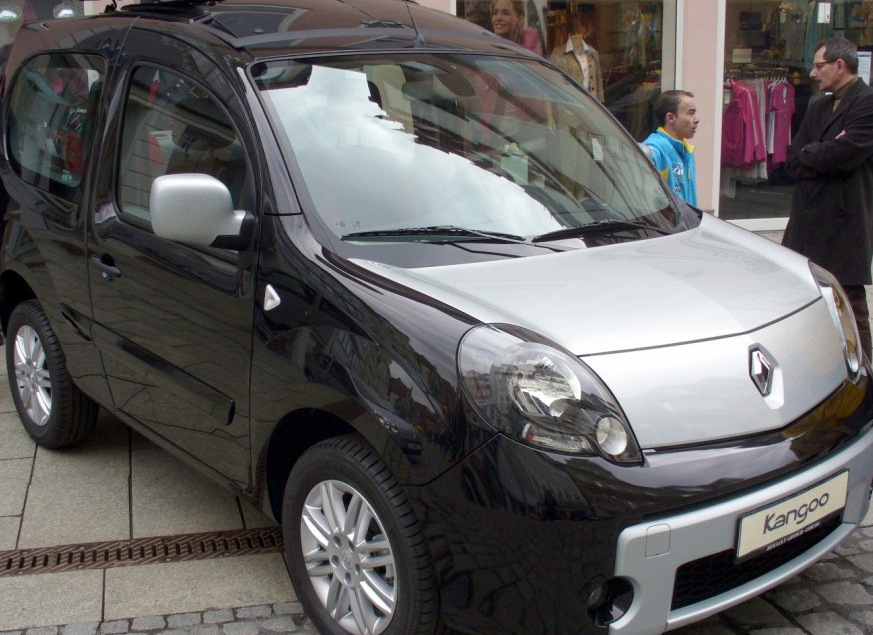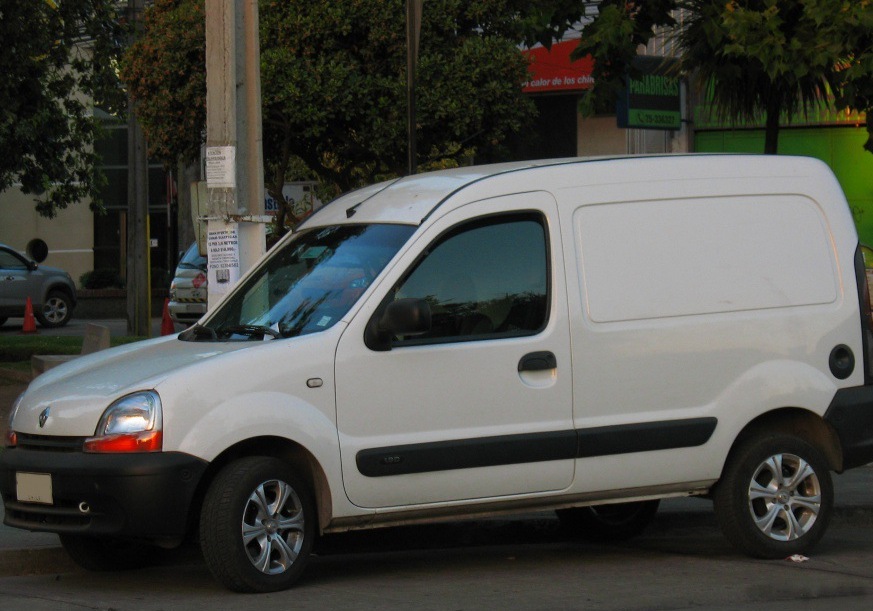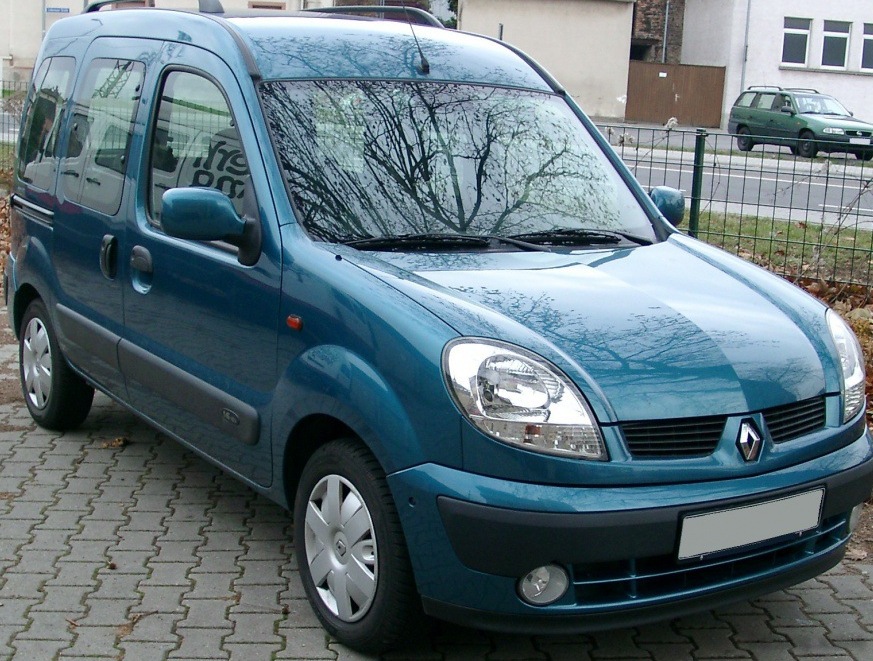
The Renault Kangoo I, specifically the KC facelift model produced between 2003 and 2005 with the 1.0 16V engine, represented an entry-level offering within the Kangoo range. Positioned as a practical and affordable light commercial vehicle and multi-purpose vehicle (MPV), it catered to buyers prioritizing functionality and economy over outright performance. This variant, producing 68 horsepower, was primarily sold in European markets where smaller displacement engines were favored due to tax regulations and fuel costs. It served as a workhorse for small businesses, families, and individuals needing a versatile vehicle for both cargo and passenger transport.
Technical Specifications
| Brand | Renault |
| Model | Kangoo |
| Generation | Kangoo I (KC, facelift 2003) |
| Type (Engine) | 1.0 16V (68 Hp) |
| Start of production | 2003 |
| End of production | 2005 |
| Powertrain Architecture | Internal Combustion engine |
| Body type | Minivan |
| Seats | 5 |
| Doors | 4/5 |
| Fuel Type | Petrol (Gasoline) |
| Acceleration 0 – 100 km/h | 18.6 sec |
| Acceleration 0 – 62 mph | 18.6 sec |
| Acceleration 0 – 60 mph | 17.7 sec |
| Maximum speed | 144 km/h (89.48 mph) |
| Power | 68 Hp @ 5750 rpm |
| Power per litre | 68.1 Hp/l |
| Torque | 93 Nm @ 4500 rpm (68.59 lb.-ft. @ 4500 rpm) |
| Engine layout | Front, Transverse |
| Engine Model/Code | D7D |
| Engine displacement | 999 cm3 (60.96 cu. in.) |
| Number of cylinders | 4 |
| Engine configuration | Inline |
| Cylinder Bore | 69 mm (2.72 in.) |
| Piston Stroke | 66.8 mm (2.63 in.) |
| Number of valves per cylinder | 4 |
| Fuel injection system | Multi-port manifold injection |
| Engine aspiration | Naturally aspirated engine |
| Engine oil capacity | 4 l (4.23 US qt | 3.52 UK qt) |
| Trunk (boot) space – minimum | 650 l (22.95 cu. ft.) |
| Trunk (boot) space – maximum | 2600 l (91.82 cu. ft.) |
| Fuel tank capacity | 50 l (13.21 US gal | 11 UK gal) |
| Max. roof load | 100 kg (220.46 lbs.) |
| Permitted towbar download | 75 kg (165.35 lbs.) |
| Length | 4035 mm (158.86 in.) |
| Width | 1672 mm (65.83 in.) |
| Width including mirrors | 2031 mm (79.96 in.) |
| Height | 1835 mm (72.24 in.) |
| Wheelbase | 2605 mm (102.56 in.) |
| Front track | 1405 mm (55.31 in.) |
| Rear (Back) track | 1410 mm (55.51 in.) |
| Front overhang | 730 mm (28.74 in.) |
| Rear overhang | 700 mm (27.56 in.) |
| Minimum turning circle | 10.79 m (35.4 ft.) |
| Drivetrain Architecture | The Internal combustion engine (ICE) drives the front wheels of the vehicle. |
| Drive wheel | Front wheel drive |
| Number of gears and type of gearbox | 5 gears, manual transmission |
| Front suspension | Independent type McPherson |
| Rear suspension | Coil spring |
| Front brakes | Ventilated discs |
| Rear brakes | Drum |
| Steering type | Steering rack and pinion |
| Tires size | 165/70 R14 C |
| Wheel rims size | 5.5J x 14 |
Powertrain & Engine Architecture
The heart of this Kangoo variant is the D7D engine, a 999cc inline-four cylinder petrol engine. This engine utilizes a multi-port fuel injection system, a common setup for its time, providing adequate fuel delivery for its modest power output. The 16-valve cylinder head, featuring four valves per cylinder, aids in improved breathing and contributes to a slightly broader powerband. The engine is naturally aspirated, meaning it doesn’t rely on a turbocharger or supercharger for forced induction. This simplicity contributes to its reliability, but also limits its overall performance. The 5-speed manual transmission was the standard offering, chosen for its efficiency and cost-effectiveness. The gearbox ratios were geared towards maximizing fuel economy rather than providing rapid acceleration.
Driving Characteristics
The 1.0 16V Kangoo, with its 68 horsepower, was never intended to be a performance vehicle. Acceleration was leisurely, taking approximately 18.6 seconds to reach 62 mph. In real-world driving, the engine felt strained when fully loaded or tackling steep inclines. The 5-speed gearbox helped to keep the engine within its optimal operating range, but frequent downshifts were often necessary. Compared to the more powerful 1.4 and 1.6 liter versions, or even the diesel options, this variant felt significantly underpowered. However, its light weight and relatively nimble handling made it easy to maneuver in urban environments. The focus was on practicality and usability, rather than driving excitement.
Equipment & Trim Levels
The 1.0 16V Kangoo typically came with a basic level of equipment. Standard features generally included power steering, central locking, and a driver’s airbag. Interior upholstery was typically a durable cloth material. Optional extras included air conditioning, electric windows, and a radio/CD player. Trim levels were relatively limited, with the 1.0 16V often serving as the base model. The interior was functional and utilitarian, prioritizing space and durability over luxury.
Chassis & Braking
The Kangoo I utilized a McPherson strut independent suspension setup at the front, providing a reasonable level of ride comfort. The rear suspension employed a simpler coil spring arrangement. Braking was handled by ventilated discs at the front and drum brakes at the rear. This configuration was adequate for the vehicle’s weight and intended use, but lacked the stopping power of more sophisticated braking systems. The steering was a rack and pinion system, offering precise and responsive handling.
Market Reception & Comparison
Critics generally acknowledged the Kangoo 1.0 16V as a sensible and economical choice for those prioritizing practicality. However, the engine’s lack of power was a common criticism. Compared to the higher-output versions, the 1.0 16V offered significantly lower performance, but also lower running costs. Fuel economy was a strong point, making it an attractive option for budget-conscious buyers. The diesel variants, while more expensive to purchase, offered superior fuel economy and torque, making them popular with those covering high mileages. The 1.4 and 1.6 liter petrol engines provided a better balance of performance and economy, but at a higher price point.
Legacy
The Renault Kangoo I 1.0 16V has proven to be a relatively reliable vehicle, particularly when well-maintained. The engine, while not powerful, is known for its durability. Common issues include wear and tear on suspension components and occasional problems with the fuel injection system. In the used car market, these models are typically very affordable, making them attractive to first-time buyers or those needing a cheap and cheerful workhorse. While not a collector’s item, the Kangoo I 1.0 16V remains a testament to Renault’s commitment to providing practical and affordable transportation.