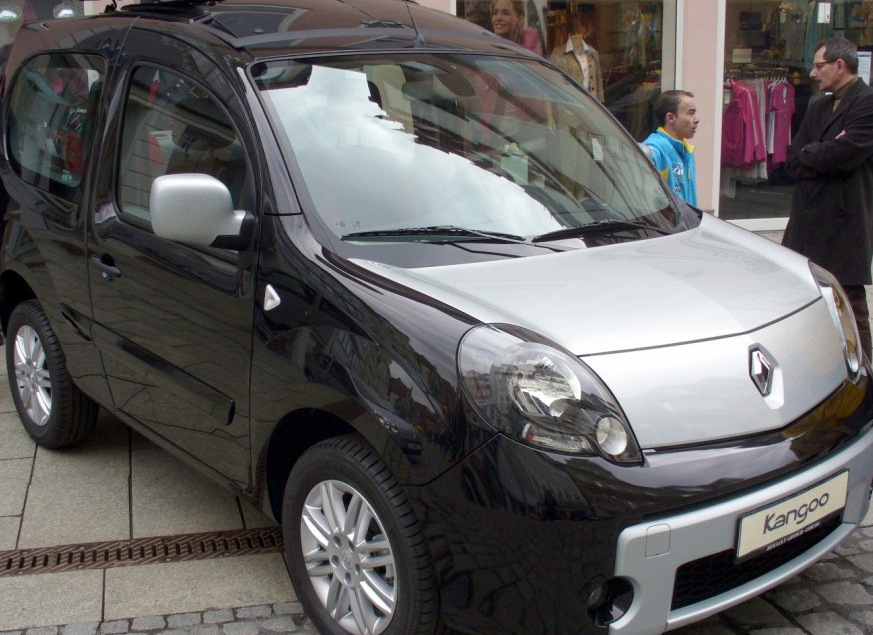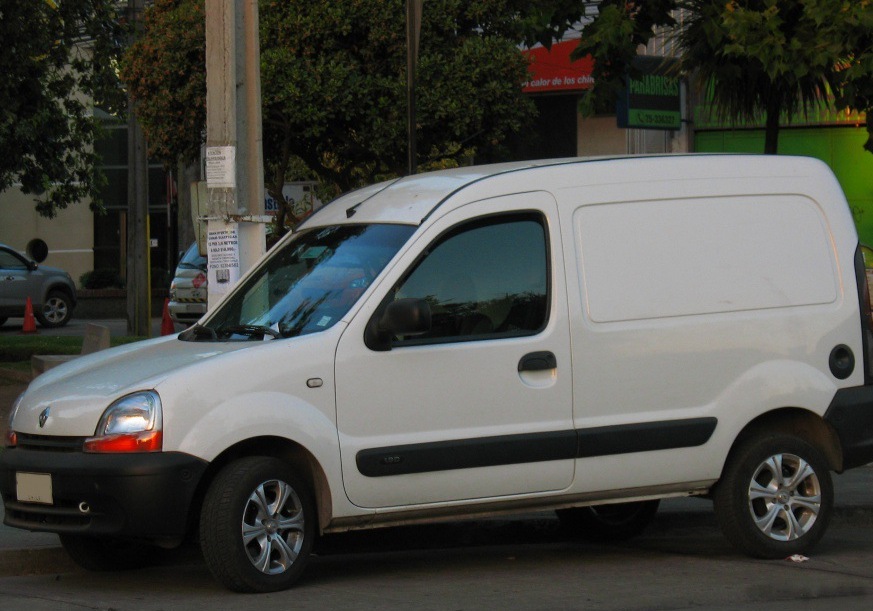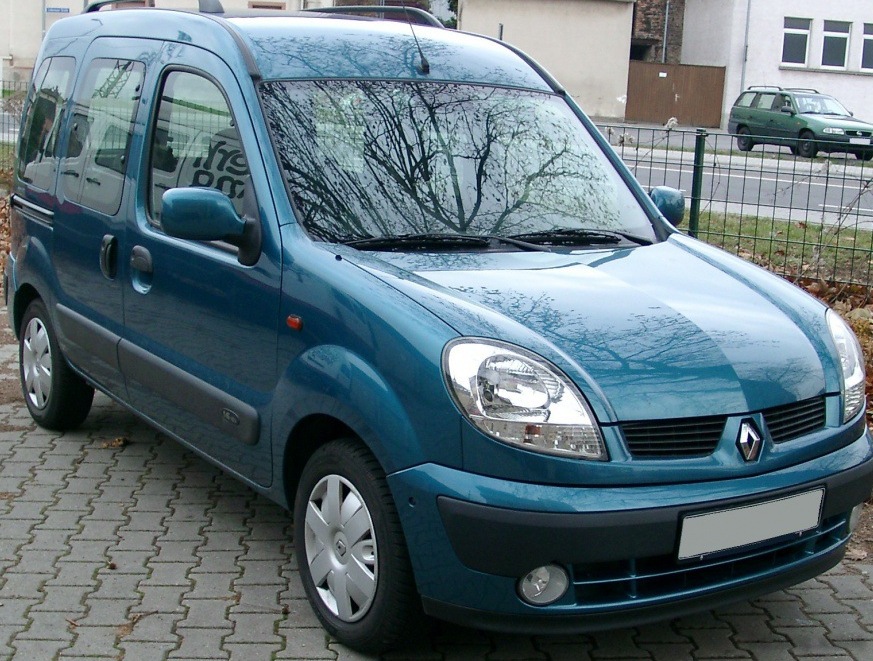
The Renault Kangoo I, specifically the KC facelift model produced between 2003 and 2005 with the 1.0-liter engine producing 59 horsepower, represented an entry-level offering within the broader Kangoo range. This variant was positioned as a practical and economical choice for buyers prioritizing functionality over outright performance. The Kangoo I, launched in 1997, was Renault’s attempt to capitalize on the growing popularity of compact, van-based leisure vehicles, offering a blend of car-like comfort with the utility of a small commercial vehicle. The 2003 facelift brought minor cosmetic updates and refinements to the original design, solidifying its appeal in the European market.
Technical Specifications
| Brand | Renault |
| Model | Kangoo |
| Generation | Kangoo I (KC, facelift 2003) |
| Type (Engine) | 1.0 (59 Hp) |
| Start of production | 2003 |
| End of production | 2005 |
| Powertrain Architecture | Internal Combustion engine |
| Body type | Minivan |
| Seats | 5 |
| Doors | 4/5 |
| Fuel Type | Petrol (Gasoline) |
| Acceleration 0 – 100 km/h | 21.2 sec |
| Acceleration 0 – 62 mph | 21.2 sec |
| Acceleration 0 – 60 mph | 20.1 sec |
| Maximum speed | 135 km/h (83.89 mph) |
| Power | 59 Hp @ 5500 rpm |
| Power per litre | 59.1 Hp/l |
| Torque | 81 Nm @ 4250 rpm (59.74 lb.-ft. @ 4250 rpm) |
| Engine layout | Front, Transverse |
| Engine Model/Code | D7D |
| Engine displacement | 999 cm3 (60.96 cu. in.) |
| Number of cylinders | 4 |
| Engine configuration | Inline |
| Cylinder Bore | 69 mm (2.72 in.) |
| Piston Stroke | 66.8 mm (2.63 in.) |
| Number of valves per cylinder | 2 |
| Fuel injection system | Multi-port manifold injection |
| Engine aspiration | Naturally aspirated engine |
| Engine oil capacity | 4 l (4.23 US qt | 3.52 UK qt) |
| Trunk (boot) space – minimum | 650 l (22.95 cu. ft.) |
| Trunk (boot) space – maximum | 2600 l (91.82 cu. ft.) |
| Fuel tank capacity | 50 l (13.21 US gal | 11 UK gal) |
| Max. roof load | 100 kg (220.46 lbs.) |
| Permitted towbar download | 75 kg (165.35 lbs.) |
| Length | 4035 mm (158.86 in.) |
| Width | 1672 mm (65.83 in.) |
| Width including mirrors | 2031 mm (79.96 in.) |
| Height | 1835 mm (72.24 in.) |
| Wheelbase | 2605 mm (102.56 in.) |
| Front track | 1405 mm (55.31 in.) |
| Rear (Back) track | 1410 mm (55.51 in.) |
| Front overhang | 730 mm (28.74 in.) |
| Rear overhang | 700 mm (27.56 in.) |
| Minimum turning circle | 10.79 m (35.4 ft.) |
| Drivetrain Architecture | The Internal combustion engine (ICE) drives the front wheels of the vehicle. |
| Drive wheel | Front wheel drive |
| Number of gears and type of gearbox | 5 gears, manual transmission |
| Front suspension | Independent type McPherson |
| Rear suspension | Coil spring |
| Front brakes | Ventilated discs |
| Rear brakes | Drum |
| Steering type | Steering rack and pinion |
| Tires size | 165/70 R14 C |
| Wheel rims size | 5.5J x 14 |
Powertrain & Engine Architecture
The heart of this Kangoo variant is the D7D engine, a 999cc inline-four cylinder petrol engine. This engine, a staple in Renault’s smaller offerings during the period, featured a naturally aspirated configuration and a multi-port fuel injection system. The engine’s relatively simple valvetrain employed two valves per cylinder. The 59 horsepower peak was achieved at 5500 rpm, while the 81 Nm (59.74 lb-ft) of torque was available at 4250 rpm. The engine was transversely mounted in the front of the vehicle. Paired with this engine was a five-speed manual transmission, chosen for its affordability and efficiency. While an automatic transmission was offered on other Kangoo models, it wasn’t typically paired with the base 1.0-liter engine due to the performance limitations.
Driving Characteristics
The 1.0-liter Kangoo was not designed for speed. Acceleration was leisurely, with a 0-60 mph time hovering around 20 seconds. The engine felt strained when fully loaded or attempting to climb hills. The five-speed manual transmission helped to keep the engine within its optimal operating range, but the overall driving experience was focused on economy and practicality. The gear ratios were relatively long, prioritizing fuel efficiency over rapid acceleration. Compared to the more powerful 1.4 and 1.6-liter versions, or even the diesel options, this variant felt significantly underpowered. However, for urban driving and short trips, the 1.0-liter engine proved adequate for many drivers.
Equipment & Trim Levels
The 1.0-liter Kangoo typically represented the base trim level. Standard equipment generally included power steering, a basic audio system, and cloth upholstery. Safety features were modest, typically consisting of driver and passenger airbags. Options, such as air conditioning, electric windows, and central locking, were available but often added a significant cost to the vehicle. Interior materials were durable and functional, reflecting the Kangoo’s utilitarian nature. The dashboard layout was simple and straightforward, prioritizing ease of use over aesthetic appeal.
Chassis & Braking
The Kangoo I utilized a McPherson strut independent suspension setup at the front, providing a reasonable level of ride comfort. The rear suspension employed a simpler coil spring arrangement. Braking duties were handled by ventilated discs at the front and drum brakes at the rear. The braking system was adequate for the vehicle’s weight and performance, but lacked the stopping power of more sophisticated setups found on higher-spec models. The steering was a rack and pinion system, offering reasonable precision and feedback.
Market Reception & Comparison
The 1.0-liter Kangoo was generally well-received as an affordable and practical option. Critics acknowledged its limitations in terms of performance but praised its fuel economy and spacious interior. Compared to other small vans and MPVs of the time, the Kangoo offered a compelling combination of versatility and value. The 1.4-liter and 1.6-liter petrol engines, as well as the diesel options, offered significantly improved performance but came at a higher price point. The 1.9 dCi diesel, in particular, was favored by those who frequently traveled long distances or carried heavy loads. The 1.0-liter version appealed to buyers who primarily used the vehicle for short trips and light-duty tasks.
Legacy
The D7D engine, while not known for its longevity or high performance, proved to be reasonably reliable with proper maintenance. Common issues included oil leaks and occasional problems with the fuel injection system. Today, the 1.0-liter Kangoo I is a relatively affordable used car option. Its simplicity and robust construction make it a good choice for those seeking a practical and economical vehicle. However, potential buyers should be aware of the engine’s limitations and ensure that it has been well-maintained. The Kangoo I, in all its variants, helped establish Renault as a key player in the compact van and leisure vehicle segment, paving the way for subsequent generations of the Kangoo.