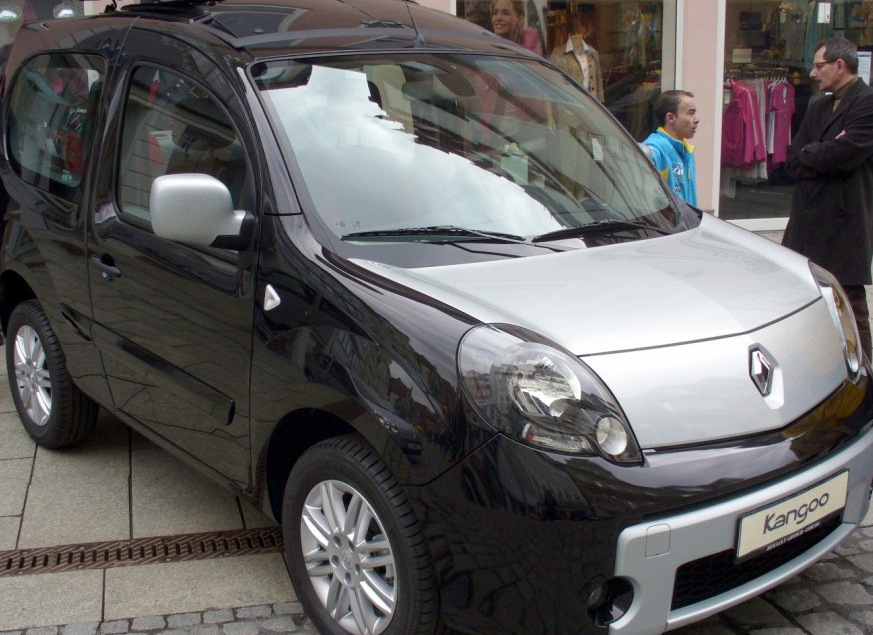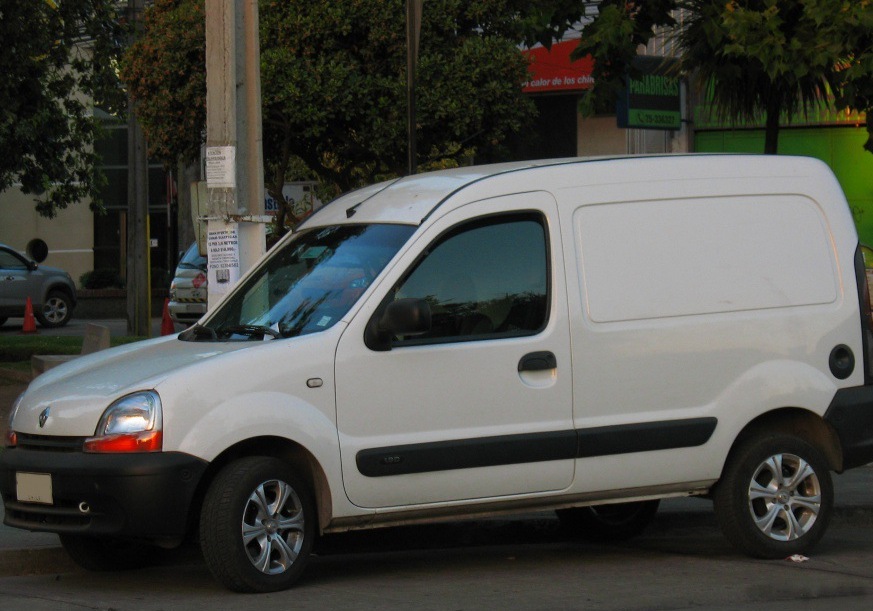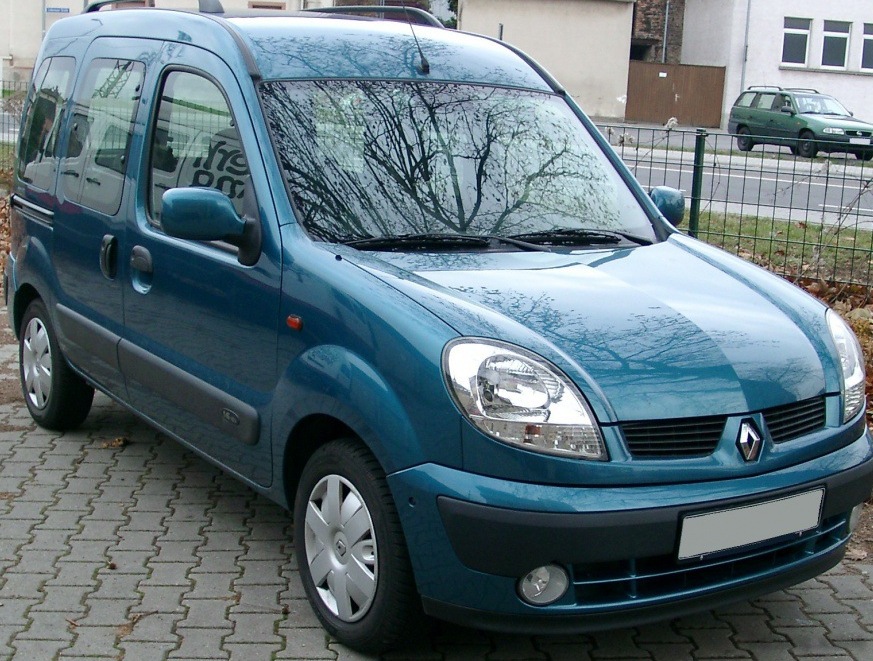
The Renault Kangoo I, specifically the KC facelift model produced between 2003 and 2005 with the 1.4-liter 75 horsepower engine, represented an entry-level offering within the Kangoo range. Positioned as a practical and affordable light commercial vehicle and multi-purpose vehicle (MPV), it catered to buyers prioritizing functionality and economy over outright performance. This variant played a significant role in establishing the Kangoo as a popular choice in Europe for small businesses, families, and those needing a versatile vehicle for both work and leisure. The Kangoo I, built on the shared Renault-Nissan B platform, offered a compelling alternative to traditional vans and estates.
Technical Specifications
| Brand | Renault |
| Model | Kangoo |
| Generation | Kangoo I (KC, facelift 2003) |
| Type (Engine) | 1.4 (75 Hp) |
| Start of production | 2003 |
| End of production | 2005 |
| Powertrain Architecture | Internal Combustion engine |
| Body type | Minivan |
| Seats | 5 |
| Doors | 4/5 |
| Fuel consumption (combined) | 7.5 l/100 km |
| Fuel consumption (US mpg) | 31.4 US mpg |
| Fuel consumption (UK mpg) | 37.7 UK mpg |
| Fuel consumption (km/l) | 13.3 km/l |
| CO2 emissions | 177 g/km |
| Fuel Type | Petrol (Gasoline) |
| Acceleration 0 – 100 km/h | 14.9 sec |
| Acceleration 0 – 62 mph | 14.9 sec |
| Acceleration 0 – 60 mph | 14.2 sec |
| Maximum speed | 155 km/h (96.31 mph) |
| Weight-to-power ratio | 14.2 kg/Hp |
| Weight-to-torque ratio | 9.3 kg/Nm |
| Power | 75 Hp @ 5500 rpm |
| Power per litre | 54 Hp/l |
| Torque | 114 Nm @ 4250 rpm (84.08 lb.-ft. @ 4250 rpm) |
| Engine layout | Front, Transverse |
| Engine Model/Code | K7J |
| Engine displacement | 1390 cm3 (84.82 cu. in.) |
| Number of cylinders | 4 |
| Engine configuration | Inline |
| Cylinder Bore | 79.5 mm (3.13 in.) |
| Piston Stroke | 70 mm (2.76 in.) |
| Compression ratio | 9.5:1 |
| Number of valves per cylinder | 2 |
| Fuel injection system | Multi-port manifold injection |
| Engine aspiration | Naturally aspirated engine |
| Engine oil capacity | 3 l (3.17 US qt | 2.64 UK qt) |
| Coolant capacity | 5.5 l (5.81 US qt | 4.84 UK qt) |
| Kerb Weight | 1065 kg (2347.92 lbs.) |
| Max. weight | 1640 kg (3615.58 lbs.) |
| Max load | 575 kg (1267.66 lbs.) |
| Trunk (boot) space – minimum | 650 l (22.95 cu. ft.) |
| Trunk (boot) space – maximum | 2600 l (91.82 cu. ft.) |
| Fuel tank capacity | 50 l (13.21 US gal | 11 UK gal) |
| Max. roof load | 100 kg (220.46 lbs.) |
| Permitted trailer load with brakes (12%) | 950 kg (2094.39 lbs.) |
| Permitted trailer load without brakes | 570 kg (1256.63 lbs.) |
| Permitted towbar download | 75 kg (165.35 lbs.) |
| Length | 4035 mm (158.86 in.) |
| Width | 1672 mm (65.83 in.) |
| Width including mirrors | 2031 mm (79.96 in.) |
| Height | 1835 mm (72.24 in.) |
| Wheelbase | 2605 mm (102.56 in.) |
| Front track | 1405 mm (55.31 in.) |
| Rear track | 1410 mm (55.51 in.) |
| Front overhang | 730 mm (28.74 in.) |
| Rear overhang | 700 mm (27.56 in.) |
| Minimum turning circle | 10.79 m (35.4 ft.) |
| Drivetrain Architecture | Front wheel drive |
| Number of gears | 5 |
| Gearbox type | Manual transmission |
| Front suspension | Independent type McPherson |
| Rear suspension | Coil spring |
| Front brakes | Ventilated discs |
| Rear brakes | Disc |
| Steering type | Steering rack and pinion |
| Tires size | 175/65 R14 |
| Wheel rims size | 5.5J x 14 |
INTRODUCTION
The Renault Kangoo I (KC) facelift, introduced in 2003, represented a mid-cycle refresh of the original Kangoo launched in 1997. This update brought subtle styling changes, improved interior materials, and refinements to the engine lineup. The 1.4-liter, 75 horsepower version was a key component of this range, offering a cost-effective and fuel-efficient option for buyers. It was primarily sold in Europe, where the Kangoo competed with vehicles like the Citroën Berlingo, Peugeot Partner, and Fiat Doblo. The Kangoo’s design prioritized practicality, with a spacious interior, modular seating, and a large cargo area, making it suitable for both commercial and family use.
Powertrain & Engine Architecture
The heart of this Kangoo variant is the Renault K7J engine, a 1.390-liter inline-four cylinder petrol engine. This engine, a mainstay in Renault’s lineup for many years, utilizes a naturally aspirated configuration and a multi-port fuel injection system. The K7J features a single overhead camshaft (SOHC) operating two valves per cylinder. While not known for its high performance, the K7J is appreciated for its simplicity and relative reliability. The 75 horsepower output is achieved at 5500 rpm, with a torque figure of 114 Nm (84.08 lb-ft) delivered at 4250 rpm. This engine was typically paired with a five-speed manual transmission, although an optional four-speed automatic transmission was also available, albeit less common. The automatic transmission, while offering convenience, impacted fuel economy and acceleration.
Driving Characteristics
The 1.4-liter, 75 hp Kangoo with a manual transmission delivers modest performance. Acceleration from 0 to 60 mph takes around 14.2 seconds, and the top speed is approximately 96 mph. The engine feels strained when fully loaded or climbing hills, requiring frequent gear changes to maintain momentum. The automatic transmission further diminishes performance, resulting in slower acceleration and a less responsive driving experience. However, the Kangoo excels in urban environments, where its compact size and light steering make it easy to maneuver. The suspension provides a comfortable ride, absorbing bumps and imperfections in the road effectively. The steering, while not particularly precise, is adequately weighted for everyday driving.
Equipment & Trim Levels
The 1.4-liter Kangoo typically came with a basic level of equipment, reflecting its position as an entry-level model. Standard features generally included power steering, central locking, and a driver’s airbag. Interior upholstery was typically cloth, and the dashboard featured a functional, if somewhat basic, design. Optional extras included air conditioning, electric windows, and a radio/CD player. Higher trim levels, such as the Expression or Dynamique, added features like alloy wheels, upgraded interior trim, and additional safety equipment. The Kangoo’s interior is highly configurable, with folding rear seats and a removable cargo partition, allowing for a versatile loading space.
Chassis & Braking
The Kangoo I utilizes a front-wheel-drive layout with an independent McPherson strut suspension at the front and a coil spring suspension at the rear. The braking system consists of ventilated discs on the front wheels and solid discs on the rear. The suspension setup provides a good balance between comfort and handling, although it is not designed for sporty driving. The steering is a rack-and-pinion system, offering reasonable precision for everyday use. Tire size is typically 175/65 R14, mounted on 5.5J x 14 steel or alloy wheels.
Market Reception & Comparison
The 1.4-liter Kangoo was generally well-received as a practical and affordable vehicle. Critics praised its spacious interior, versatility, and fuel efficiency. However, the engine’s lack of power was a common criticism, particularly when the vehicle was fully loaded. Compared to the more powerful 1.6-liter or diesel variants, the 1.4-liter model offered a more economical option but at the expense of performance. The 1.9 dCi diesel engine, for example, provided significantly more torque and better fuel economy, but came at a higher price point. The 1.4-liter Kangoo appealed to buyers who prioritized affordability and practicality over outright performance.
Legacy
The Renault Kangoo I, including the 1.4-liter variant, established a strong reputation for reliability and practicality. The K7J engine, while not a powerhouse, is known for its durability and relatively low maintenance costs. Today, these vehicles are often found in the used car market, offering an affordable and versatile transportation option. While age and mileage can affect reliability, well-maintained examples can still provide years of service. The Kangoo’s enduring popularity is a testament to its functional design and practical appeal, solidifying its place as a popular choice for those seeking a versatile and economical vehicle.