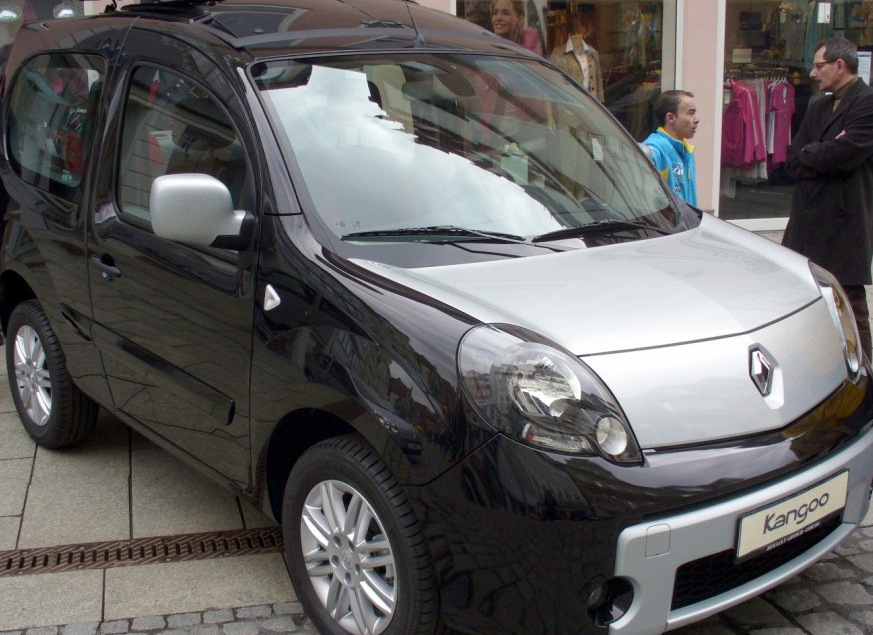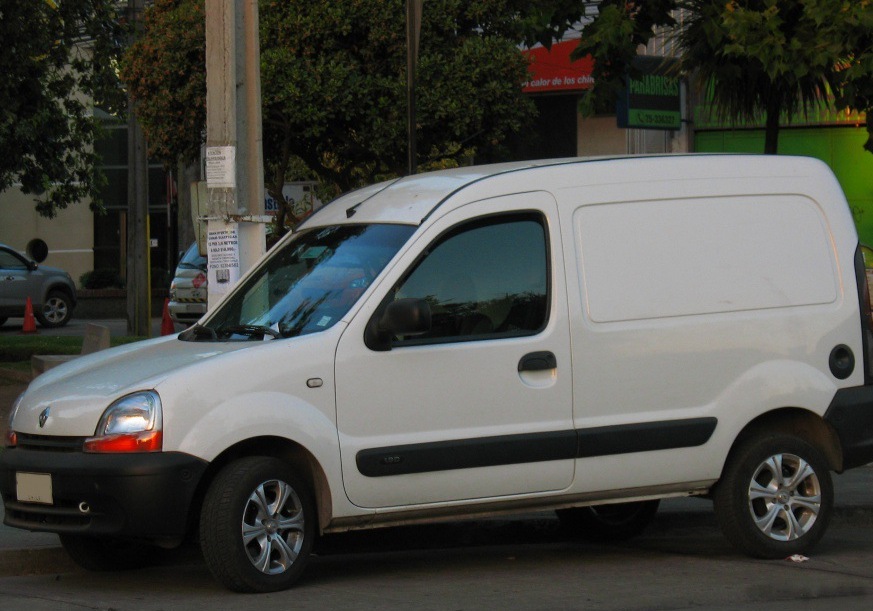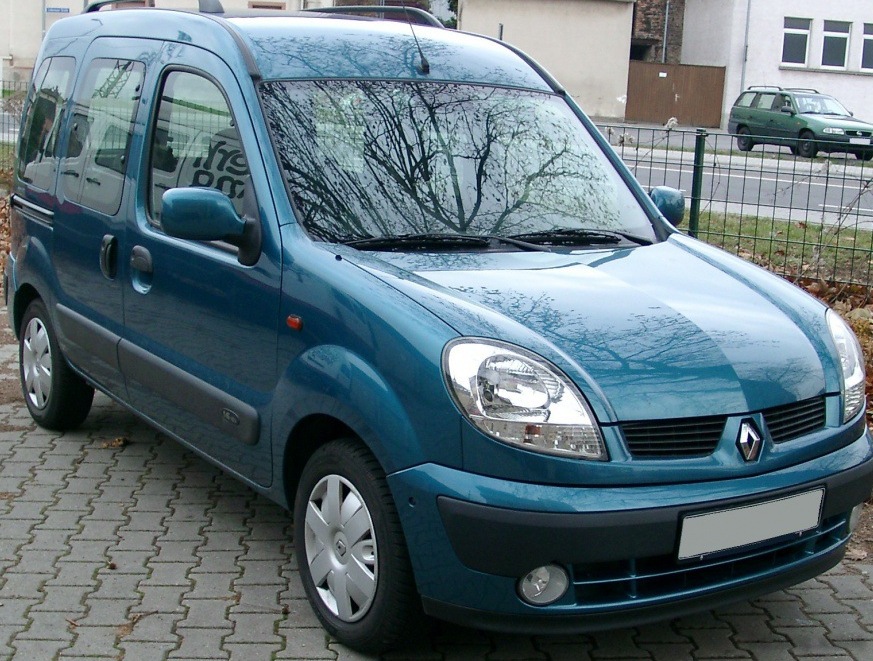
The Renault Kangoo I, specifically the 1.9 dTi variant produced between 2003 and 2005, represents a significant iteration of Renault’s popular light commercial vehicle and family leisure activity vehicle (LAV). This facelifted version (KC) of the first-generation Kangoo (introduced in 1997) aimed to refine the original’s practicality with updated styling and, importantly, a range of more efficient and refined engine options. The 1.9 dTi, producing 80 horsepower, occupied a middle ground in the Kangoo lineup, offering a balance between affordability, fuel economy, and usability for both commercial and private buyers. It was positioned as a workhorse alternative to the petrol-powered models and a more economical choice than the higher-output diesel options.
Technical Specifications
| Brand | Renault |
| Model | Kangoo |
| Generation | Kangoo I (KC, facelift 2003) |
| Type (Engine) | 1.9 dTi (80 Hp) |
| Start of production | 2003 |
| End of production | 2005 |
| Powertrain Architecture | Internal Combustion engine |
| Body type | Minivan |
| Seats | 5 |
| Doors | 4/5 |
| Fuel consumption (combined) | 5.7 l/100 km (41.3 US mpg, 49.6 UK mpg, 17.5 km/l) |
| Fuel Type | Diesel |
| Acceleration 0 – 100 km/h | 14.1 sec |
| Acceleration 0 – 62 mph | 14.1 sec |
| Acceleration 0 – 60 mph | 13.4 sec |
| Maximum speed | 160 km/h (99.42 mph) |
| Weight-to-power ratio | 14.1 kg/Hp, 71.1 Hp/tonne |
| Weight-to-torque ratio | 7 kg/Nm, 142.2 Nm/tonne |
| Power | 80 Hp @ 4500 rpm |
| Power per litre | 42.8 Hp/l |
| Torque | 160 Nm @ 2000 rpm (118.01 lb.-ft. @ 2000 rpm) |
| Engine layout | Front, Transverse |
| Engine Model/Code | F9Q |
| Engine displacement | 1870 cm3 (114.11 cu. in.) |
| Number of cylinders | 4 |
| Engine configuration | Inline |
| Cylinder Bore | 80 mm (3.15 in.) |
| Piston Stroke | 93 mm (3.66 in.) |
| Number of valves per cylinder | 2 |
| Fuel injection system | Diesel Commonrail |
| Engine aspiration | Turbocharger, Intercooler |
| Engine oil capacity | 4.6 l (4.86 US qt | 4.05 UK qt) |
| Kerb Weight | 1125 kg (2480.2 lbs.) |
| Max. weight | 1660 kg (3659.67 lbs.) |
| Max load | 535 kg (1179.47 lbs.) |
| Trunk (boot) space – minimum | 650 l (22.95 cu. ft.) |
| Trunk (boot) space – maximum | 2600 l (91.82 cu. ft.) |
| Fuel tank capacity | 50 l (13.21 US gal | 11 UK gal) |
| Permitted trailer load with brakes (12%) | 900 kg (1984.16 lbs.) |
| Permitted trailer load without brakes | 600 kg (1322.77 lbs.) |
| Permitted towbar download | 75 kg (165.35 lbs.) |
| Length | 4035 mm (158.86 in.) |
| Width | 1672 mm (65.83 in.) |
| Width including mirrors | 2031 mm (79.96 in.) |
| Height | 1835 mm (72.24 in.) |
| Wheelbase | 2605 mm (102.56 in.) |
| Front track | 1405 mm (55.31 in.) |
| Rear (Back) track | 1410 mm (55.51 in.) |
| Front overhang | 730 mm (28.74 in.) |
| Rear overhang | 700 mm (27.56 in.) |
| Minimum turning circle | 10.95 m (35.93 ft.) |
| Drivetrain Architecture | Front wheel drive |
| Drive wheel | Front wheel drive |
| Number of gears and type of gearbox | 5 gears, manual transmission |
| Front suspension | Spring Strut |
| Rear suspension | Trailing arm |
| Front brakes | Ventilated discs |
| Rear brakes | Drum |
| Assisting systems | ABS (Anti-lock braking system) |
| Steering type | Steering rack and pinion |
| Power steering | Hydraulic Steering |
| Tires size | 175/65 R14 |
| Wheel rims size | 5.5J x 14 |
Powertrain & Engine Architecture
The heart of the Kangoo 1.9 dTi is the F9Q engine, a 1.9-liter inline-four cylinder diesel. This engine was a mainstay in Renault’s lineup for many years, known for its robustness and relatively simple design. The ‘dTi’ designation signifies a direct injection diesel with a turbocharger and intercooler. The F9Q utilizes a diesel common rail fuel injection system, which allowed for more precise fuel delivery, improved combustion efficiency, and reduced engine noise compared to older indirect injection systems. The engine features two valves per cylinder and a single overhead camshaft. The turbocharger provides a boost in power, helping to overcome the inherent limitations of a naturally aspirated diesel engine. The 1.9 dTi engine produced 80 horsepower at 4500 rpm and 160 Nm (118 lb-ft) of torque at 2000 rpm. The engine was typically paired with a five-speed manual transmission, although an automated manual transmission (Quickshift) was also available as an option.
Driving Characteristics
The 1.9 dTi-equipped Kangoo offered a practical and economical driving experience. Acceleration was modest, with a 0-60 mph time of around 13.4 seconds, but the engine’s torque delivery made it well-suited for carrying loads or navigating urban environments. The five-speed manual transmission allowed drivers to keep the engine in its optimal power band. Compared to the higher-output 1.9 dCi variants, the dTi felt less responsive, but it offered significantly better fuel economy. The gear ratios were tuned for efficiency rather than outright performance. The Kangoo’s suspension provided a comfortable ride, even when fully loaded, and the hydraulic power steering made maneuvering easy.
Equipment & Trim Levels
The Kangoo 1.9 dTi was typically offered in a relatively basic trim level, reflecting its positioning as a value-oriented option. Standard equipment generally included power steering, central locking, and an adjustable steering column. Interior upholstery was typically cloth, and the dashboard featured a functional, if somewhat utilitarian, design. Optional extras included air conditioning, electric windows, and a radio/CD player. Higher trim levels, such as the Expression or Privilege, added more comfort and convenience features, but the 1.9 dTi was rarely offered with the full complement of options.
Chassis & Braking
The Kangoo I utilized a relatively simple chassis design, with a front MacPherson strut suspension and a rear trailing arm setup. This configuration provided a good balance between ride comfort and handling. The front brakes were ventilated discs, while the rear brakes were drums. Anti-lock Braking System (ABS) was standard equipment, enhancing safety. The Kangoo’s suspension was tuned to prioritize comfort and load-carrying capacity over sporty handling. The steering was a rack and pinion system with hydraulic assistance, providing light and precise steering feel.
Market Reception & Comparison
The Renault Kangoo 1.9 dTi was generally well-received by critics and buyers alike. It was praised for its practicality, fuel economy, and affordability. Compared to the petrol-powered Kangoo models, the dTi offered significantly better fuel efficiency, making it a popular choice for high-mileage drivers. Compared to the more powerful 1.9 dCi variants, the dTi was less expensive to purchase and maintain, but it lacked the same level of performance. It competed with other small vans and LAVs, such as the Citroën Berlingo and Peugeot Partner, offering a similar blend of practicality and affordability.
Legacy
The Renault Kangoo I 1.9 dTi remains a popular choice in the used car market, particularly for those seeking a reliable and economical work vehicle or family transport. The F9Q engine is known for its durability, and with proper maintenance, it can provide many years of service. While not the fastest or most luxurious vehicle, the Kangoo 1.9 dTi offers a compelling combination of practicality, affordability, and fuel efficiency, making it a lasting and well-regarded member of the Renault family.