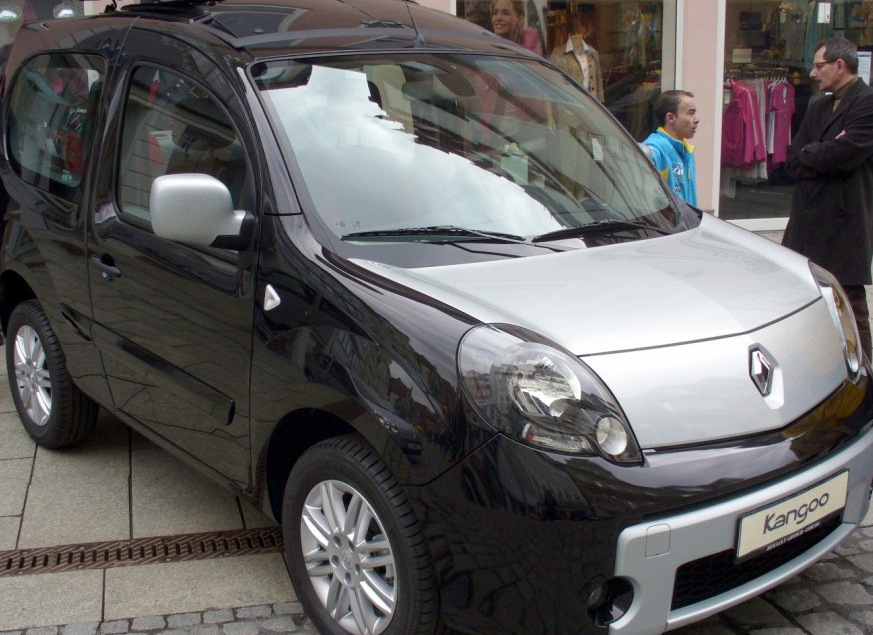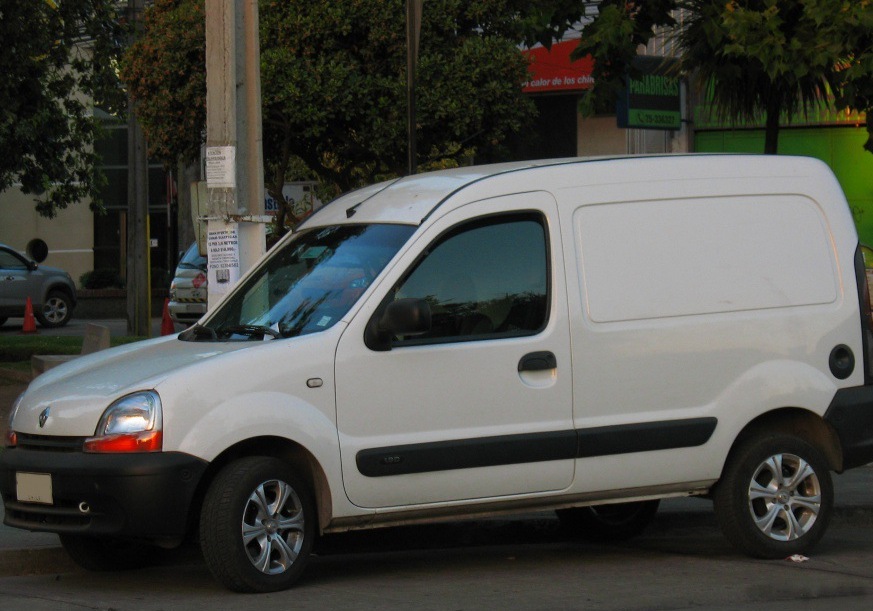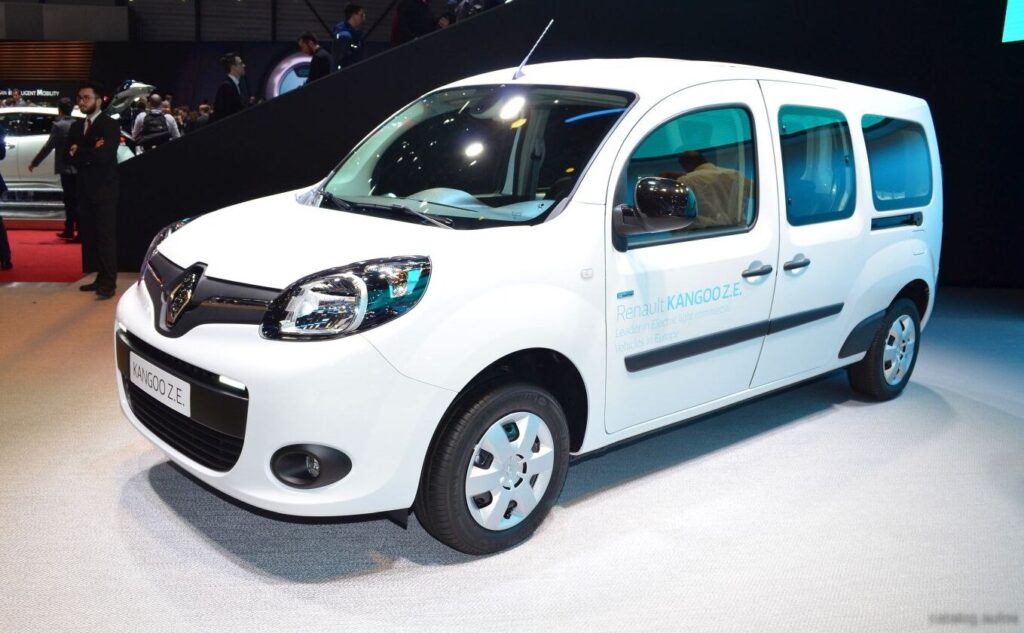
The Renault Kangoo II Express Maxi Z.E. 33 kWh, a fully electric variant of the popular Kangoo van, was produced from 2017 to 2021. This version, based on the facelifted Kangoo II platform (introduced in 2013), represented Renault’s commitment to commercial electric vehicles, particularly within the European market. Designed primarily for urban delivery and light commercial applications, the Z.E. offered a practical, zero-emission alternative to traditional internal combustion engine vans. The “Maxi” designation indicates an extended wheelbase, providing increased cargo capacity. This specific 60 horsepower (Hp) configuration was positioned as the entry-level option within the Kangoo Z.E. range, prioritizing affordability and efficiency over outright performance.
Technical Specifications
| Brand | Renault |
| Model | Kangoo |
| Generation | Kangoo II Express Maxi (facelift 2013) |
| Type (Engine) | Z.E. 33 kWh (60 Hp) |
| Start of production | 2017 |
| End of production | 2021 |
| Powertrain Architecture | BEV (Electric Vehicle) |
| Body type | Minivan |
| Seats | 5 |
| Doors | 5 |
| Fuel Type | Electricity |
| Acceleration 0 – 100 km/h | 22.3 sec |
| Acceleration 0 – 62 mph | 22.3 sec |
| Acceleration 0 – 60 mph | 21.2 sec |
| Maximum speed | 130 km/h (80.78 mph) |
| Weight-to-power ratio | 25.9 kg/Hp, 38.6 Hp/tonne |
| Gross battery capacity | 33 kWh |
| Net (usable) battery capacity | 31 kWh |
| Battery voltage | 400 V |
| Battery technology | Lithium-ion (Li-Ion) |
| Battery weight | 255 kg (562.18 lbs) |
| Battery location | Below the floor |
| All-electric range | 270 km (167.77 mi) |
| Average Energy consumption | 15.2 kWh/100 km (24.46 kWh/100 mi) |
| MPGe | 138 |
| km/kWh | 6.6 |
| mi/kWh | 4.1 |
| Electric motor power | 60 Hp |
| Electric motor Torque | 225 Nm (165.95 lb.-ft.) |
| Electric motor model/code | 5AQ 60 |
| Electric motor location | Front axle, Transverse |
| System power | 60 Hp |
| Kerb Weight | 1555 kg (3428.19 lbs) |
| Max. weight | 2270 kg (5004.49 lbs) |
| Max load | 715 kg (1576.31 lbs) |
| Trunk (boot) space – minimum | 1300 l (45.91 cu. ft.) |
| Trunk (boot) space – maximum | 3400 l (120.07 cu. ft.) |
| Length | 4666 mm (183.7 in) |
| Width | 1829 mm (72.01 in) |
| Width including mirrors | 2138 mm (84.17 in) |
| Height | 1826 mm (71.89 in) |
| Wheelbase | 3081 mm (121.3 in) |
| Front track | 1521 mm (59.88 in) |
| Rear (Back) track | 1533 mm (60.35 in) |
| Front overhang | 875 mm (34.45 in) |
| Rear overhang | 710 mm (27.95 in) |
| Ride height (ground clearance) | 185 mm (7.28 in) |
| Minimum turning circle | 11.9 m (39.04 ft) |
| Drivetrain Architecture | One electric motor drives the front wheels. |
| Drive wheel | Front wheel drive |
| Number of gears | 1 |
| Gearbox type | Automatic transmission |
| Front suspension | Independent type McPherson |
| Rear suspension | Torsion |
| Front brakes | Ventilated discs, 280×24 mm |
| Rear brakes | Disc, 274×11 mm |
| Assisting systems | ABS (Anti-lock braking system) |
| Steering type | Steering rack and pinion |
| Power steering | Electric Steering |
| Tires size | 195/65 R15 |
| Wheel rims size | 6J x 15 |
Powertrain & Engine Architecture
The Kangoo Z.E. utilizes a fully electric powertrain, centered around a 33 kWh lithium-ion battery pack. This pack, positioned under the vehicle floor to maintain a low center of gravity, powers a 60 Hp electric motor (model 5AQ 60) mounted transversely at the front axle. The motor delivers 225 Nm (165.95 lb-ft) of instant torque, a characteristic benefit of electric motors. The single-speed automatic transmission simplifies operation, providing seamless acceleration. The charging port location wasn’t widely publicized, but typically these vans were equipped for both AC and DC fast charging capabilities, allowing for varying charge times depending on the charging infrastructure available. The battery management system (BMS) plays a crucial role in optimizing battery life and performance, monitoring cell voltages, temperatures, and overall health.
Driving Characteristics
The 60 Hp output of the Kangoo Z.E. prioritizes efficiency over spirited performance. Acceleration is modest, with a 0-60 mph time of around 21.2 seconds. However, the instant torque delivery provides adequate responsiveness for urban driving and light commercial tasks. The single-speed transmission eliminates gear changes, resulting in a smooth and linear driving experience. While not designed for highway cruising, the Kangoo Z.E. can maintain a top speed of 80.78 mph (130 km/h). Compared to the petrol or diesel Kangoo variants, the Z.E. offers a quieter and more refined driving experience, with no engine vibrations or exhaust emissions. The extended “Maxi” wheelbase does impact handling somewhat, making it less agile than the standard Kangoo, but it contributes to a more stable ride when fully loaded.
Equipment & Trim Levels
The Kangoo II Express Maxi Z.E. 60 Hp typically came with a functional, work-oriented interior. Standard features included basic air conditioning, a driver’s airbag, and a simple audio system. The interior upholstery was typically durable and easy to clean, reflecting its commercial vehicle purpose. Optional extras included navigation systems, rear parking sensors, and upgraded seating. The dashboard layout was straightforward and focused on practicality, with clearly labeled controls. The “Maxi” version’s extended length provided a significantly larger cargo area compared to the standard Kangoo, making it ideal for businesses requiring substantial load capacity.
Chassis & Braking
The Kangoo Z.E. utilizes an independent McPherson strut suspension at the front and a torsion beam suspension at the rear. This setup provides a reasonable balance between ride comfort and handling. The front brakes are ventilated discs (280×24 mm), while the rear brakes are solid discs (274×11 mm). Anti-lock Braking System (ABS) is standard. The electric powertrain’s added weight, due to the battery pack, necessitated a robust suspension and braking system. The steering is electrically assisted, providing light and precise control.
Market Reception & Comparison
The Kangoo Z.E. was generally well-received by critics as a practical and environmentally friendly commercial vehicle. Its low running costs, thanks to the elimination of fuel expenses and reduced maintenance requirements, were a major selling point. Compared to the petrol and diesel Kangoo models, the Z.E. offered significantly lower emissions, making it attractive to businesses operating in urban areas with emission restrictions. However, the limited range and longer refueling (charging) times were often cited as drawbacks. The 60 Hp variant was considered adequate for most urban delivery tasks, but drivers requiring higher performance or frequent highway driving might have opted for the more powerful versions available in the Kangoo Z.E. lineup.
Legacy
The Renault Kangoo Z.E. played a significant role in popularizing electric commercial vehicles in Europe. While early electric vehicle technology faced challenges regarding battery life and charging infrastructure, the Kangoo Z.E. demonstrated the viability of electric vans for urban logistics. The powertrain, while not known for exceptional longevity issues, requires careful battery management to maximize lifespan. On the used car market, these vans represent an affordable entry point into electric vehicle ownership, but potential buyers should carefully assess the battery’s state of health. The Kangoo Z.E. paved the way for Renault’s continued development of electric commercial vehicles, and its legacy can be seen in the newer Kangoo E-Tech Electric.