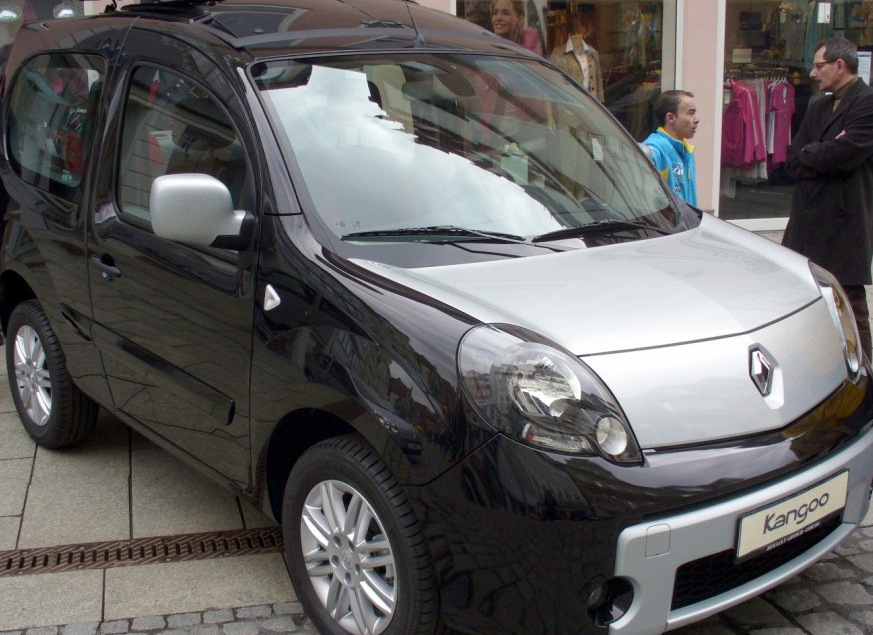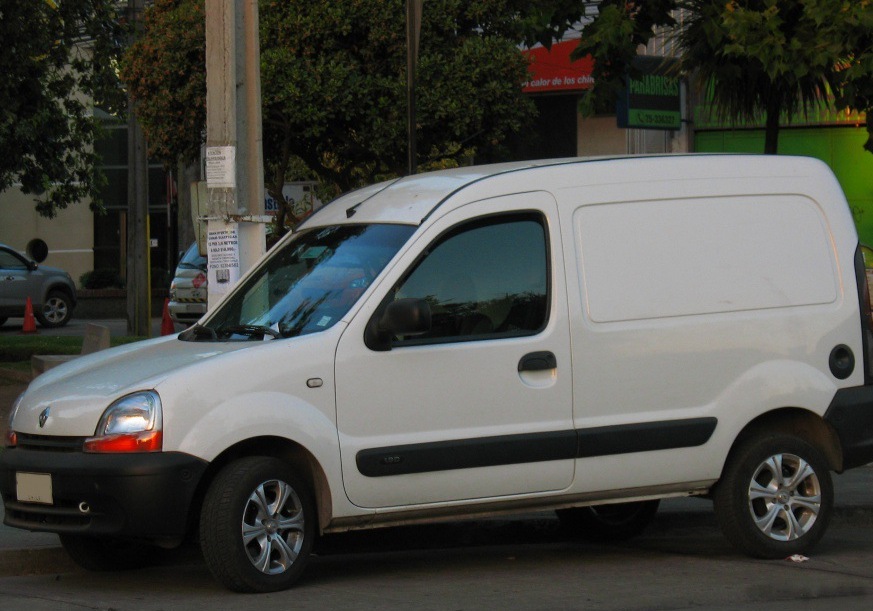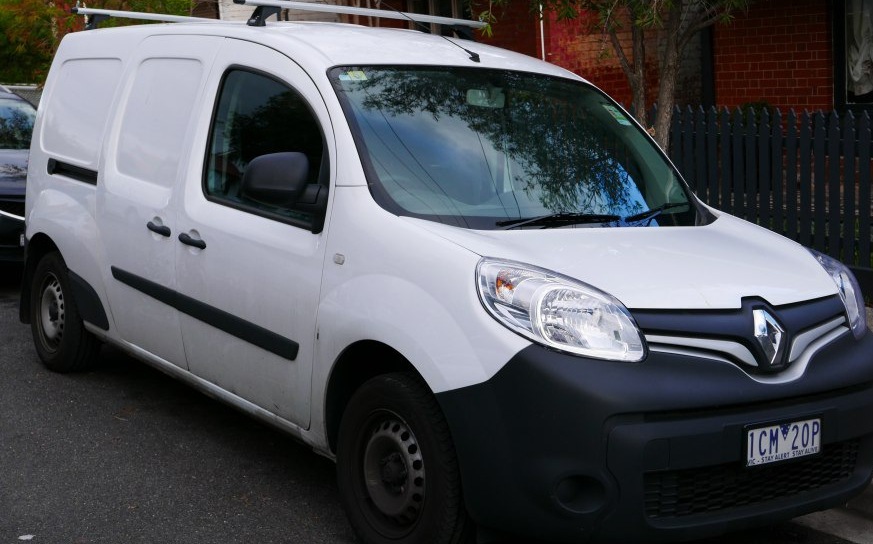
The Renault Kangoo II Express Maxi Grand Volume, specifically the facelifted version introduced in 2013, represented a significant iteration of Renault’s popular light commercial vehicle and passenger vehicle. Production of this particular variant, equipped with the 1.5 Energy dCi engine producing 115 horsepower, ran from March 2019 to 2021. This model occupied a mid-range position within the Kangoo II lineup, offering a balance between practicality, fuel efficiency, and affordability, primarily aimed at businesses and tradespeople requiring a spacious and versatile van. It was a key offering in the European market, where compact vans are highly sought after for urban delivery and service applications.
Technical Specifications
| Brand | Renault |
| Model | Kangoo |
| Generation | Kangoo II Express Maxi Grand Volume (facelift 2013) |
| Type (Engine) | 1.5 Energy dCi (115 Hp) |
| Start of production | March, 2019 |
| End of production | 2021 |
| Powertrain Architecture | Internal Combustion engine |
| Body type | Minivan |
| Seats | 2 |
| Doors | 3 |
| Combined fuel consumption (WLTP) | 6.3 l/100 km (37.3 US mpg, 44.8 UK mpg, 15.9 km/l) |
| CO2 emissions (WLTP) | 165 g/km |
| Fuel Type | Diesel |
| Maximum speed | 174 km/h (108.12 mph) |
| Emission standard | Euro 6 Dt |
| Weight-to-power ratio | 12.9 kg/Hp, 77.2 Hp/tonne |
| Weight-to-torque ratio | 5.7 kg/Nm, 174.6 Nm/tonne |
| Power | 115 Hp @ 3750 rpm |
| Power per litre | 78.7 Hp/l |
| Torque | 260 Nm @ 1750 rpm (191.77 lb.-ft. @ 1750 rpm) |
| Engine layout | Front, Transverse |
| Engine Model/Code | K9K |
| Engine displacement | 1461 cm3 (89.16 cu. in.) |
| Number of cylinders | 4 |
| Engine configuration | Inline |
| Number of valves per cylinder | 2 |
| Fuel injection system | Diesel Commonrail |
| Engine aspiration | Turbocharger, Intercooler |
| Engine oil capacity | 5.7 l (6.02 US qt | 5.02 UK qt) |
| Kerb Weight | 1489 kg (3282.68 lbs.) |
| Max. weight | 2200 kg (4850.17 lbs.) |
| Max load | 711 kg (1567.49 lbs.) |
| Trunk (boot) space – minimum | 4000 l (141.26 cu. ft.) |
| Trunk (boot) space – maximum | 4600 l (162.45 cu. ft.) |
| Fuel tank capacity | 60 l (15.85 US gal | 13.2 UK gal) |
| AdBlue tank | 17.4 l (4.6 US gal | 3.83 UK gal) |
| Max. roof load | 100 kg (220.46 lbs.) |
| Permitted trailer load with brakes (12%) | 1050 kg (2314.85 lbs.) |
| Permitted trailer load without brakes | 745 kg (1642.44 lbs.) |
| Length | 4666 mm (183.7 in.) |
| Width | 1829 mm (72.01 in.) |
| Width including mirrors | 2138 mm (84.17 in.) |
| Height | 1810-1836 mm (71.26 – 72.28 in.) |
| Wheelbase | 3081 mm (121.3 in.) |
| Front track | 1521 mm (59.88 in.) |
| Rear (Back) track | 1533 mm (60.35 in.) |
| Front overhang | 875 mm (34.45 in.) |
| Rear overhang | 710 mm (27.95 in.) |
| Ride height (ground clearance) | 145-212 mm (5.71 – 8.35 in.) |
| Minimum turning circle (turning diameter) | 11.9 m (39.04 ft.) |
| Drivetrain Architecture | The Internal combustion engine (ICE) drives the front wheels of the vehicle. |
| Drive wheel | Front wheel drive |
| Number of gears and type of gearbox | 6 gears, manual transmission |
| Front suspension | Independent type McPherson |
| Rear suspension | Torsion |
| Front brakes | Ventilated discs, 280 mm |
| Rear brakes | Drum, 274 mm |
| Assisting systems | ABS (Anti-lock braking system) |
| Steering type | Steering rack and pinion |
| Power steering | Electric Steering |
| Tires size | 195/65 R15 |
| Wheel rims size | 15 |
Powertrain & Engine Architecture
The heart of this Kangoo variant is the Renault K9K 1.5-liter four-cylinder diesel engine. This engine, a member of the Renault-Nissan Alliance’s common engine family, is known for its robust design and fuel efficiency. The ‘Energy’ designation signifies Renault’s efforts to improve fuel economy and reduce emissions. The K9K engine utilizes a common rail direct injection system, delivering fuel directly into the combustion chamber at high pressure for optimized combustion. It’s equipped with a turbocharger and intercooler to boost power output and improve torque delivery. The 115 horsepower version features specific engine management calibrations to balance performance and economy. The engine’s valvetrain consists of two valves per cylinder, a simple yet reliable configuration. The 6-speed manual transmission was the standard offering, providing a good spread of gears for both urban driving and highway cruising.
Driving Characteristics
The 1.5 dCi 115 hp engine, paired with the 6-speed manual gearbox, offered a practical and usable driving experience. While not particularly sporty, it provided sufficient power for everyday tasks, including carrying a full load. Acceleration was adequate, but the focus was on maximizing fuel efficiency. The gear ratios were well-chosen, allowing for comfortable cruising at highway speeds. Compared to the lower-powered 90 hp version, the 115 hp variant offered noticeably improved performance, especially when loaded. It also felt less strained during uphill climbs. Compared to petrol variants, the diesel offered significantly better fuel economy and torque, making it ideal for commercial applications. The manual transmission provided a more engaging driving experience than an automatic would have, and allowed the driver to better control the engine’s power delivery.
Equipment & Trim Levels
The Kangoo II Express Maxi Grand Volume 1.5 dCi 115 hp typically came with a functional, rather than luxurious, equipment list. Standard features included power steering, ABS, a driver’s airbag, and basic audio system. The interior was designed for durability and practicality, with hard-wearing plastics and easy-to-clean surfaces. Higher trim levels offered options such as air conditioning, electric windows, a passenger airbag, and upgraded audio systems. The Grand Volume specification indicated the extended wheelbase, providing a significantly larger cargo area. The van’s interior was focused on maximizing space and utility, with various storage compartments and tie-down points.
Chassis & Braking
The Kangoo II utilized a McPherson strut independent suspension at the front and a torsion beam suspension at the rear. This setup provided a reasonable balance between ride comfort and handling. The front brakes were ventilated discs, offering good stopping power, while the rear brakes were drums, a cost-saving measure common in light commercial vehicles. The steering was rack and pinion, providing precise and responsive control. The suspension was tuned to prioritize load-carrying capacity and stability, rather than sporty handling. The vehicle’s relatively lightweight construction helped to minimize body roll and improve overall agility.
Market Reception & Comparison
The Renault Kangoo II Express Maxi Grand Volume 1.5 dCi 115 hp was well-received in the European market as a practical and economical van. Critics praised its spacious interior, fuel efficiency, and reliability. Compared to competitors such as the Volkswagen Caddy and Citroën Berlingo, the Kangoo offered a competitive price point and a generous cargo capacity. The 115 hp engine was considered a good compromise between performance and economy, making it a popular choice for businesses and tradespeople. Fuel economy was a key selling point, with the Kangoo consistently achieving impressive MPG figures in real-world testing.
Legacy
The K9K engine, in its various iterations, has proven to be a durable and reliable powerplant. While diesel engines, in general, have faced increased scrutiny in recent years due to emissions concerns, the K9K remains a relatively dependable unit. The Kangoo II, and specifically this 1.5 dCi 115 hp variant, continues to be a popular choice in the used van market, offering a cost-effective and practical solution for businesses and individuals alike. Its simple mechanical design and readily available parts contribute to its ongoing appeal and relatively low maintenance costs. However, potential buyers should be aware of the potential for diesel particulate filter (DPF) issues, particularly on vehicles that have primarily been used for short journeys.