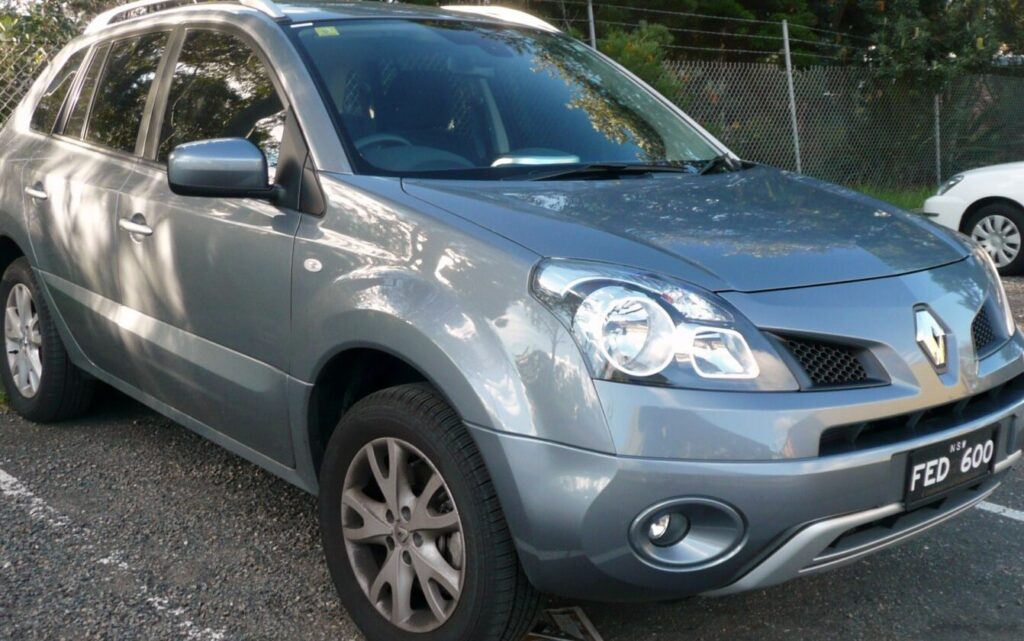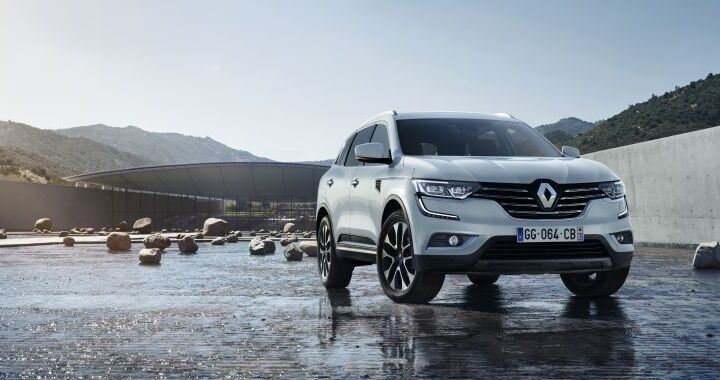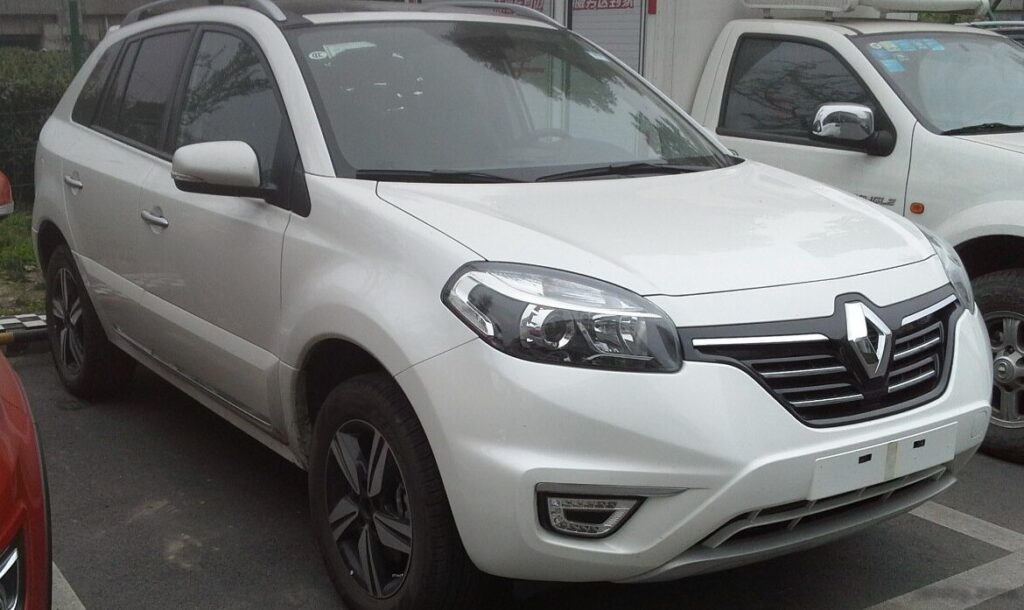
The Renault Koleos Phase III, produced from 2013 to 2016, represented a significant update to Renault’s mid-size SUV offering. Positioned as a practical and spacious family vehicle, the Koleos aimed to compete with established players like the Nissan X-Trail and Hyundai Santa Fe. This particular variant, the 2.0 dCi producing 150 horsepower, was a key engine option in many European markets, offering a balance between fuel efficiency and acceptable performance. It served as a mid-range offering, slotting between lower-powered diesel options and a more potent, though less common, 173 hp version of the same engine.
Technical Specifications
| Brand | Renault |
| Model | Koleos |
| Generation | Koleos (Phase III) |
| Type (Engine) | 2.0 dCi (150 Hp) |
| Start of production | 2013 |
| End of production | 2016 |
| Powertrain Architecture | Internal Combustion engine |
| Body type | SUV |
| Seats | 5 |
| Doors | 5 |
| Fuel Type | Diesel |
| Acceleration 0 – 100 km/h | 10 sec |
| Acceleration 0 – 62 mph | 10 sec |
| Acceleration 0 – 60 mph | 9.5 sec |
| Maximum speed | 183 km/h (113.71 mph) |
| Weight-to-power ratio | 11.5 kg/Hp, 87 Hp/tonne |
| Power | 150 Hp |
| Power per litre | 75.2 Hp/l |
| Engine layout | Front, Transverse |
| Engine Model/Code | M9R |
| Engine displacement | 1995 cm3 (121.74 cu. in.) |
| Engine configuration | Inline |
| Fuel injection system | Diesel Commonrail |
| Engine aspiration | Turbocharger, Intercooler |
| Engine oil capacity | 7.4 l (7.82 US qt | 6.51 UK qt) |
| Coolant | 8 l (8.45 US qt | 7.04 UK qt) |
| Kerb Weight | 1724 kg (3800.77 lbs.) |
| Max. weight | 2200 kg (4850.17 lbs.) |
| Max load | 476 kg (1049.4 lbs.) |
| Trunk (boot) space – minimum | 450 l (15.89 cu. ft.) |
| Trunk (boot) space – maximum | 1380 l (48.73 cu. ft.) |
| Fuel tank capacity | 65 l (17.17 US gal | 14.3 UK gal) |
| Length | 4520 mm (177.95 in.) |
| Width | 1855 mm (73.03 in.) |
| Minimum turning circle | 11.6 m (38.06 ft.) |
| Drivetrain Architecture | The Internal combustion engine (ICE) drives the front wheels of the vehicle. |
| Drive wheel | Front wheel drive |
| Number of gears | 6 gears, manual transmission |
| Front brakes | Ventilated discs |
| Rear brakes | Disc |
| Assisting systems | ABS (Anti-lock braking system) |
| Steering type | Steering rack and pinion |
| Tires size | 225/55 R18 |
| Wheel rims size | 18 |
Powertrain & Engine Architecture
The heart of this Koleos variant is the Renault M9R engine, a 2.0-liter inline-four cylinder diesel. This engine utilizes a common rail direct injection system, delivering fuel at extremely high pressure for optimized combustion. A turbocharger with an intercooler is employed to boost power output and improve torque across the rev range. The M9R engine is known for its relatively robust construction, though early versions did experience some issues with particulate filters and turbocharger reliability, which were largely addressed in later iterations like the Phase III. The 150 hp output was achieved through careful calibration of the engine management system. The engine is transversely mounted in the front of the vehicle, driving the front wheels.
Driving Characteristics
The 150 hp 2.0 dCi, paired with a six-speed manual transmission, provided adequate, though not exhilarating, performance. Acceleration from 0-60 mph took around 9.5 seconds, making it suitable for everyday driving and highway cruising. The engine delivered a respectable amount of torque, making it easy to maintain speed on inclines and during overtaking maneuvers. Compared to the higher-output 173 hp version, the 150 hp model felt slightly less responsive, particularly at higher engine speeds. However, the difference was not dramatic, and many drivers appreciated the improved fuel economy offered by the lower-powered engine. The six-speed manual transmission offered precise shifts and helped to keep the engine in its optimal power band.
Equipment & Trim Levels
The 2.0 dCi 150 hp Koleos typically came equipped with a reasonable level of standard features. These included air conditioning, electric windows and mirrors, a CD player with auxiliary input, and ABS brakes. Higher trim levels, such as the Bose or Luxe variants, added features like leather upholstery, a navigation system, a panoramic sunroof, and a premium sound system. The interior design was functional and well-built, with a focus on practicality and durability. The dashboard layout was straightforward and easy to use, with clearly labeled controls.
Chassis & Braking
The Koleos Phase III utilized a MacPherson strut front suspension and a multi-link rear suspension, providing a comfortable and controlled ride. The suspension was tuned to prioritize comfort over sporty handling, making it well-suited for long journeys. Front brakes were ventilated discs, while rear brakes were solid discs. ABS (Anti-lock Braking System) was standard, providing enhanced braking performance and stability. The steering was a rack and pinion system, offering precise and responsive steering feel. The vehicle’s weight of approximately 1724 kg (3800.77 lbs) contributed to its stable and planted feel on the road.
Market Reception & Comparison
The Renault Koleos 2.0 dCi 150 hp received generally positive reviews from automotive critics. It was praised for its spacious interior, comfortable ride, and competitive fuel economy. However, some critics noted that the engine lacked the refinement and performance of some of its rivals. Compared to the 173 hp version, the 150 hp model offered better fuel economy, typically achieving around 44-47 mpg on the combined cycle. It was also slightly cheaper to purchase and insure. In terms of reliability, the M9R engine proved to be reasonably dependable, although owners should be aware of potential issues with the diesel particulate filter (DPF) and turbocharger.
Legacy
The Renault Koleos Phase III 2.0 dCi 150 hp remains a viable option in the used car market today. Its combination of practicality, comfort, and fuel efficiency makes it an attractive choice for families and individuals seeking a spacious and reliable SUV. While it may not offer the most exciting driving experience, it provides a solid and dependable platform for everyday use. The M9R engine, when properly maintained, can provide many years of reliable service. However, potential buyers should carefully inspect the vehicle for any signs of DPF issues or turbocharger problems, and ensure that it has been regularly serviced according to Renault’s recommendations.