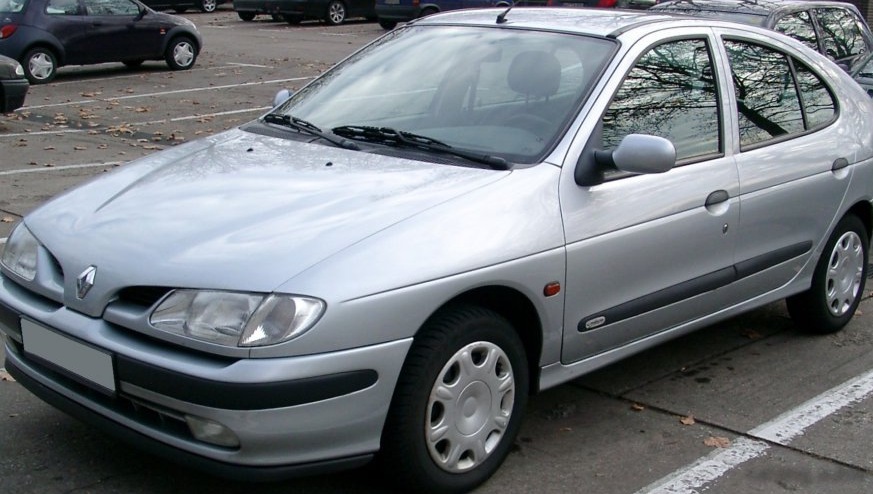
The Renault Megane I (BA) 1.6 e, producing 90 horsepower, was a mainstay of the first-generation Megane lineup, produced between 1996 and 1999. Positioned as an entry-to-mid-range offering, it provided a balance of affordability, practicality, and reasonable performance for the European compact car market. This variant was part of the broader Megane I series, built on the 1HX0/A3 platform, which also included hatchback, saloon (sedan), and estate (wagon) body styles. The 1.6 e model aimed to appeal to buyers seeking a comfortable and economical daily driver, particularly those who didn’t require the higher performance of the more expensive trims.
Powertrain & Engine Architecture
The heart of the Megane 1.6 e was the Renault K7M engine, a 1.6-liter (1598 cc) inline-four cylinder gasoline engine. This engine was a common sight in various Renault and other European vehicles of the era. The K7M featured a naturally aspirated configuration with a single overhead camshaft (OHC) operating two valves per cylinder. Fuel delivery was managed by a multi-port fuel injection system, providing a balance between efficiency and responsiveness. The engine produced a maximum power output of 90 hp (67 kW) at 5250 rpm and a peak torque of 137 Nm (101.05 lb-ft) at 4000 rpm.
The 1.6 e was typically paired with a four or five-speed automatic transmission, although a five-speed manual transmission was also available. The automatic transmission was a conventional hydraulic unit, offering smooth, if not particularly sporty, gear changes. The gear ratios were optimized for fuel economy and everyday drivability rather than outright acceleration. The automatic transmission contributed to the model’s appeal for drivers prioritizing convenience over performance.
Engine Details: K7M
The K7M engine was known for its relative simplicity and robustness. Its 9.5:1 compression ratio was a standard figure for the time, and the engine’s design prioritized reliability and ease of maintenance. The engine block was constructed from cast iron, contributing to its durability. The engine oil capacity was 4 liters (4.23 US quarts / 3.52 UK quarts), and the cooling system held 6 liters (6.34 US quarts / 5.28 UK quarts). Regular oil changes and maintenance were crucial for ensuring the longevity of the K7M engine.
Driving Characteristics
The Renault Megane 1.6 e Automatic offered a comfortable, but not particularly exhilarating, driving experience. Acceleration from 0 to 100 km/h (0-62 mph) took approximately 11.5 seconds, and the top speed was around 184 km/h (114.33 mph). Compared to the manual transmission version, the automatic resulted in a slight performance decrease due to the inherent power losses within the transmission itself. The automatic transmission’s shift points were programmed for economy, meaning the engine often operated at lower rpm, which could feel sluggish when overtaking or climbing hills.
However, the 1.6 e Automatic excelled in urban driving and on the highway. The automatic transmission made navigating city traffic effortless, and the engine provided sufficient power for comfortable cruising. The suspension, tuned for comfort, absorbed bumps and imperfections in the road well. The overall driving experience was geared towards practicality and ease of use, making it a suitable choice for everyday commuting and family transportation.
Equipment & Trim Levels
The 1.6 e trim level typically included basic amenities as standard equipment. These generally included power steering, central locking, electric front windows, and an adjustable steering column. Interior upholstery was typically cloth, with a relatively simple dashboard layout. Air conditioning was often an optional extra, as were features like alloy wheels and a radio/cassette player. Higher-spec versions of the 1.6 e could be equipped with additional features such as a sunroof, rear headrests, and upgraded interior trim.
The Megane I offered a range of optional packages that allowed buyers to customize their vehicles. These packages could include items like anti-lock brakes (ABS), which were not standard on all models, and upgraded sound systems. The level of equipment varied depending on the specific market and the year of production.
Chassis & Braking
The Megane I utilized a front-wheel-drive layout with an independent coil spring suspension at the front and a semi-independent coil spring suspension at the rear. This suspension setup provided a good balance between ride comfort and handling. The front brakes were ventilated discs, offering good stopping power, while the rear brakes were typically drum brakes, a cost-saving measure for the entry-level models.
The steering system was a rack and pinion type with hydraulic power assistance, providing light and easy steering. Tire size was commonly 175/65 R14, mounted on 14-inch steel or alloy wheels. The chassis was designed to provide a stable and predictable driving experience, prioritizing safety and comfort over sporty handling.
Market Reception & Comparison
The Renault Megane 1.6 e Automatic was generally well-received by critics as a practical and affordable family car. It was praised for its comfortable ride, spacious interior, and reasonable fuel economy. However, it was also criticized for its lack of performance and somewhat dated interior design. Compared to other trims in the Megane lineup, such as the 2.0 16V or the 1.9 TDI, the 1.6 e offered less power and a slower acceleration time. However, it was significantly more affordable and offered better fuel economy than the higher-performance models.
In terms of reliability, the K7M engine was generally considered to be a durable and dependable unit. However, like all cars of this era, the Megane I was susceptible to age-related issues such as corrosion and wear and tear on suspension components. Fuel economy figures were around 7.2 l/100 km (32.7 US mpg / 39.2 UK mpg) combined, making it a relatively economical choice for its time.
Technical Specifications
| Brand | Renault |
| Model | Megane |
| Generation | Megane I (BA) |
| Type (Engine) | 1.6 e (90 Hp) |
| Start of production | 1996 |
| End of production | 1999 |
| Engine Displacement | 1598 cm3 (97.52 cu. in.) |
| Number of Cylinders | 4 |
| Engine Configuration | Inline |
| Power | 90 Hp @ 5250 rpm |
| Torque | 137 Nm @ 4000 rpm (101.05 lb.-ft. @ 4000 rpm) |
| Fuel Type | Petrol (Gasoline) |
| Acceleration 0-100 km/h | 11.5 sec |
| Acceleration 0-62 mph | 11.5 sec |
| Maximum Speed | 184 km/h (114.33 mph) |
| Kerb Weight | 1040 kg (2292.81 lbs.) |
| Fuel Consumption (Urban) | 9.7 l/100 km (24.2 US mpg / 29.1 UK mpg) |
| Fuel Consumption (Extra Urban) | 5.8 l/100 km (40.6 US mpg / 48.7 UK mpg) |
| Fuel Consumption (Combined) | 7.2 l/100 km (32.7 US mpg / 39.2 UK mpg) |
| Fuel Tank Capacity | 60 l (15.85 US gal / 13.2 UK gal) |
| Transmission | 4 or 5-speed Automatic |
Legacy
The Renault Megane I 1.6 e Automatic, while not a performance icon, remains a fondly remembered car for many owners. The K7M engine, when properly maintained, proved to be a reliable and long-lasting unit. Today, these cars are relatively affordable on the used car market, making them attractive options for budget-conscious buyers. However, potential buyers should be aware of the age-related issues common to cars of this era, such as corrosion and wear and tear on mechanical components. The 1.6 e Automatic represents a practical and economical choice for those seeking a classic European hatchback, offering a comfortable and reliable driving experience for everyday use.