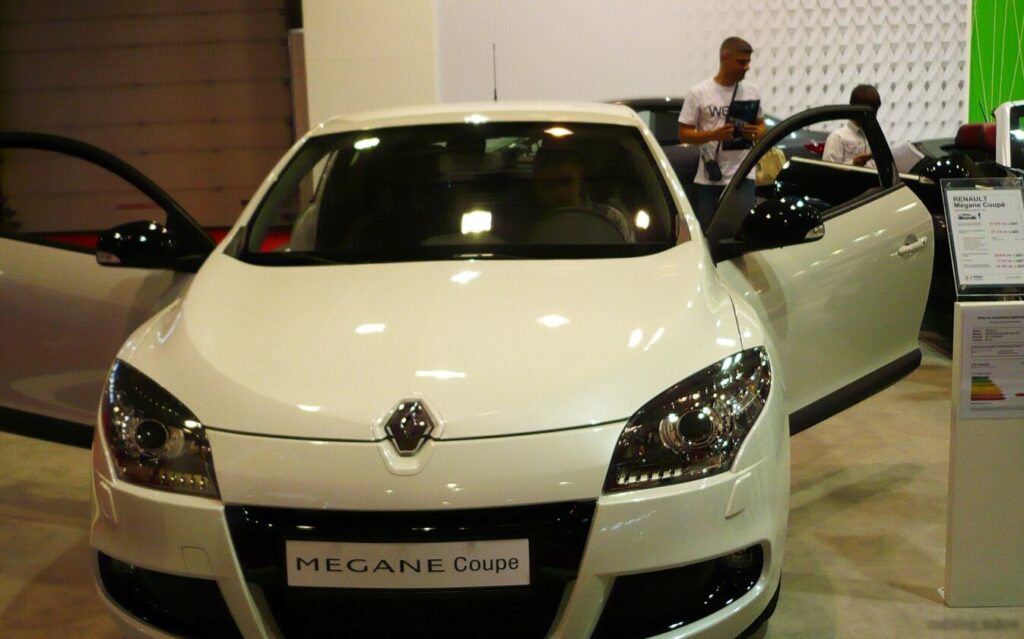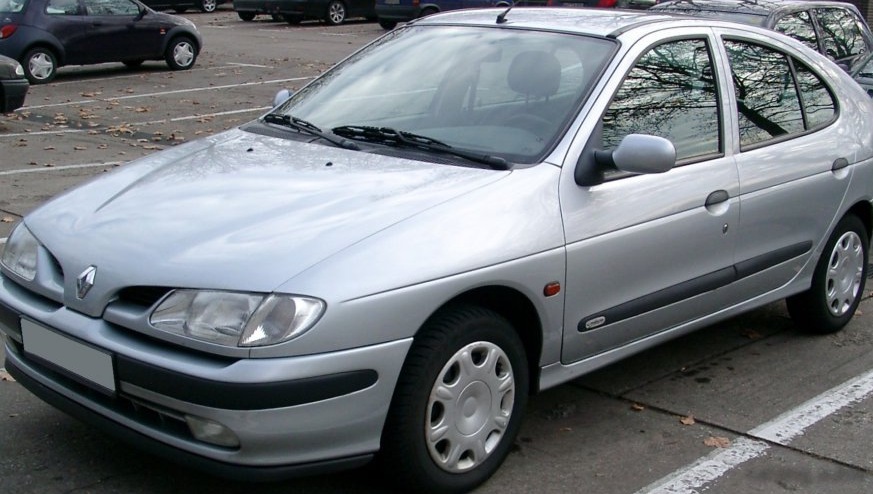
The Renault Megane I (BA) 1.6 e Automatic, produced between 1996 and 1999, represented an entry-level to mid-range offering within the first generation Megane lineup. Positioned as a more accessible option, it catered to buyers prioritizing comfort and ease of use over outright performance. This variant utilized a 1.6-liter gasoline engine paired with a four-speed automatic transmission, making it a popular choice for urban commuting and family transport. The Megane I (BA) itself was Renault’s replacement for the aging Renault 19, built on the shared 1HX0/A3 platform also used by the Nissan Almera and Renault Scenic.
Powertrain & Engine Architecture
The heart of the Megane 1.6 e Automatic is the K7M engine, a 1.6-liter (1598 cc) inline-four cylinder gasoline engine. This engine, a mainstay in Renault’s lineup for many years, is known for its relative simplicity and durability. It features a naturally aspirated configuration, meaning it relies solely on atmospheric pressure to draw air into the cylinders, rather than forced induction like a turbocharger. The K7M utilizes a multi-port fuel injection system, delivering fuel directly into the intake ports just before the intake valves. This system, common for its time, provides a balance between fuel efficiency and performance. The engine’s valvetrain consists of an overhead camshaft (OHC) design, operating two valves per cylinder (two intake, two exhaust).
The automatic transmission paired with the K7M engine is a four-speed unit. While not known for its sophistication or fuel efficiency compared to modern automatic transmissions, it provided smooth and convenient gear changes, particularly appealing to drivers seeking a relaxed driving experience. The transmission’s gear ratios were optimized for everyday driving conditions, prioritizing acceleration from a standstill and comfortable cruising speeds. Specific gear ratios were not widely published by Renault, but the transmission was designed to deliver adequate performance given the engine’s 90 horsepower output.
Engine Specifications (K7M)
- Displacement: 1598 cm³ (97.52 cu. in.)
- Configuration: Inline-4
- Bore x Stroke: 79.5 mm x 80.5 mm (3.13 in x 3.17 in)
- Compression Ratio: 9.5:1
- Valves per Cylinder: 2
- Fuel Injection: Multi-port
- Aspiration: Naturally Aspirated
- Engine Oil Capacity: 4 liters (4.23 US qt | 3.52 UK qt)
- Coolant Capacity: 6 liters (6.34 US qt | 5.28 UK qt)
Driving Characteristics
The 1.6 e Automatic version of the Megane I offered a comfortable, but not particularly sporty, driving experience. With 90 horsepower and 137 Nm (101.05 lb-ft) of torque, acceleration was modest. 0-62 mph (0-100 km/h) took approximately 13.7 seconds, and the top speed was around 105.63 mph (170 km/h). The four-speed automatic transmission, while convenient, contributed to a noticeable lack of responsiveness compared to the five-speed manual versions of the same engine. The automatic transmission’s shift points were programmed for fuel economy and smoothness, often resulting in the engine feeling somewhat strained during overtaking maneuvers or when climbing hills. The weight-to-power ratio of 11.9 kg/hp further emphasized the car’s lack of outright performance. Compared to the higher-output 2.0 16V or even the diesel variants, the 1.6 Automatic felt significantly slower.
However, the 1.6 e Automatic excelled in urban environments. The automatic transmission eliminated the need for constant gear changes, making it ideal for stop-and-go traffic. The relatively soft suspension provided a comfortable ride, absorbing bumps and imperfections in the road surface effectively. Steering was light and easy, further enhancing the car’s usability in city driving.
Equipment & Trim Levels
The 1.6 e Automatic trim level typically included basic amenities as standard equipment. These generally included power steering, central locking, electric front windows, and an adjustable steering column. Interior upholstery was typically cloth, with a relatively simple dashboard layout. Air conditioning was often an optional extra, as were features like alloy wheels, a radio/cassette player, and rear electric windows. The specific standard equipment could vary slightly depending on the country of sale and any optional packages selected by the original buyer.
Higher trim levels, such as the RT or VTE, offered additional features like upgraded upholstery, a sunroof, and more sophisticated audio systems. However, these trims were typically paired with more powerful engines, making the 1.6 e Automatic a more affordable and basic option.
Chassis & Braking
The Megane I (BA) 1.6 e Automatic utilized an independent coil spring suspension at the front, providing a reasonable level of ride comfort and handling. The rear suspension was a semi-independent coil spring setup, which was a cost-effective solution but offered less sophisticated handling characteristics compared to a fully independent rear suspension. Front brakes were ventilated discs, providing adequate stopping power, while the rear brakes were drums. This combination was typical for cars in this price range during the late 1990s.
Anti-lock braking system (ABS) was often an optional extra, and its presence depended on the specific market and trim level. The steering system was a rack and pinion type with hydraulic power assistance, providing light and precise steering feel. Tire size was typically 175/65 R14, mounted on 14-inch steel wheels, although alloy wheels were available as an option.
Market Reception & Comparison
The Renault Megane I 1.6 e Automatic received mixed reviews. Critics generally praised its comfortable ride, ease of use, and affordability. However, the engine’s lack of power and the automatic transmission’s sluggishness were common criticisms. Compared to the manual transmission versions of the same engine, the automatic suffered from reduced fuel economy and slower acceleration. The 1.9 TDI diesel version offered significantly better fuel economy and more torque, making it a popular choice for drivers covering long distances. The 2.0 16V petrol engine provided a much more engaging driving experience, but at a higher price point.
Despite its shortcomings, the 1.6 e Automatic remained a popular choice for buyers seeking a practical and affordable family car. Its reliability and relatively low maintenance costs contributed to its appeal in the used car market.
Technical Specifications
| Brand | Renault |
| Model | Megane |
| Generation | Megane I (BA) |
| Type | 1.6 e (90 Hp) Automatic |
| Start of production | 1996 |
| End of production | 1999 |
| Engine Displacement | 1598 cm³ (97.52 cu. in.) |
| Engine Code | K7M |
| Power | 90 Hp @ 5200 rpm |
| Torque | 137 Nm @ 4000 rpm (101.05 lb.-ft. @ 4000 rpm) |
| Fuel Consumption (Urban) | 11.7 l/100 km (20.1 US mpg, 24.1 UK mpg) |
| Fuel Consumption (Extra Urban) | 6.5 l/100 km (36.2 US mpg, 43.5 UK mpg) |
| Fuel Consumption (Combined) | 8.5 l/100 km (27.7 US mpg, 33.2 UK mpg) |
| CO2 Emissions | 210 g/km |
| Acceleration 0-100 km/h | 13.7 sec |
| Acceleration 0-62 mph | 13.7 sec |
| Maximum Speed | 170 km/h (105.63 mph) |
| Kerb Weight | 1070 kg (2358.95 lbs) |
| Fuel Tank Capacity | 60 l (15.85 US gal, 13.2 UK gal) |
| Transmission | 4-speed Automatic |
| Drive Type | Front Wheel Drive |
Legacy
The Renault Megane I 1.6 e Automatic, while not a performance icon, proved to be a reliable and practical car. The K7M engine, in particular, is known for its durability and relatively simple maintenance requirements. Today, examples of this variant are becoming increasingly rare, and well-maintained cars are sought after by enthusiasts and collectors. The automatic transmission, while not the most efficient, has proven to be reasonably durable, although regular fluid changes are essential for long-term reliability. The car’s affordability and ease of repair make it an attractive option for those seeking a classic European hatchback. Its legacy lies in providing comfortable and affordable transportation for a generation of drivers.