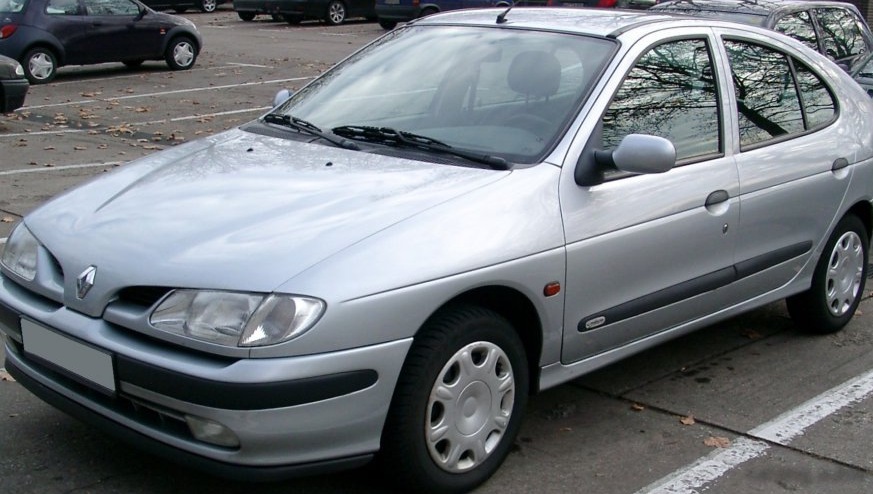
The Renault Megane I (BA) 1.9 D Eco, produced between 1996 and 1999, represented an entry-level diesel offering within the first generation Megane range. Positioned as the most fuel-efficient variant, it catered to buyers prioritizing economy over outright performance. The Megane I, launched in 1995, was Renault’s replacement for the aging Renault 19, and utilized the shared ‘B’ platform, also known internally as the X67 series, and later as the B0 platform. The 1.9 D Eco model aimed to provide affordable transportation with a focus on minimizing running costs, making it a popular choice in European markets.
Powertrain & Engine Architecture
The heart of the Megane 1.9 D Eco is the F8Q 762 engine, a 1.9-liter inline-four cylinder diesel. This engine is a naturally aspirated, indirect injection diesel utilizing a precombustion chamber design. This system, common in European diesels of the era, involved injecting fuel into a precombustion chamber connected to the main cylinder, promoting more complete combustion and reducing noise. The F8Q engine family was well-established within Renault, known for its robustness and relatively simple mechanical design. It features an overhead camshaft (OHC) valvetrain with two valves per cylinder.
The engine produces 64 horsepower (hp) at 4500 rpm and 118 Newton-meters (87.03 lb-ft) of torque at 2250 rpm. While modest by modern standards, this torque output provided reasonable usability for everyday driving. The engine’s displacement is 1870 cubic centimeters (114.11 cubic inches) with a bore of 80mm and a stroke of 93mm. Compression ratio is a high 21.5:1, typical for indirect injection diesel engines. The engine requires 5.5 liters (5.81 US quarts) of engine oil, specified to Renault’s standards for the period. The cooling system capacity is 7.5 liters (7.93 US quarts).
The 1.9 D Eco was exclusively offered with a five-speed manual transmission. This transmission was a standard unit for the Megane range, designed to handle the engine’s torque output. It was not known for particularly sporty or quick shifts, but rather for its durability and reliability.
Driving Characteristics
The driving experience in the Megane 1.9 D Eco is characterized by its focus on fuel efficiency rather than performance. Acceleration is slow, taking approximately 16.5 seconds to reach 100 km/h (62 mph) and 15.7 seconds to reach 60 mph. The top speed is limited to 160 km/h (99.42 mph). The engine feels strained at higher RPMs, and the best approach is to utilize the available torque in the lower gears.
The five-speed manual transmission is geared to maximize fuel economy. First gear is relatively short, providing adequate acceleration from a standstill, while higher gears are spaced to keep engine RPMs low during cruising. Compared to the more powerful petrol variants of the Megane I, such as the 1.6L or 2.0L 16V engines, the 1.9 D Eco feels significantly slower and less responsive. However, compared to other diesel options within the Megane range, it offered a good balance between economy and usability. The manual transmission also provided a more engaging driving experience than the optional automatic transmissions available on higher-spec models.
Equipment & Trim Levels
The 1.9 D Eco trim level was typically the base model in the Megane I range. Standard equipment was relatively basic, focusing on essential features. This included power steering, central locking, and a basic instrument cluster. Interior upholstery was typically cloth, with a simple dashboard layout. Safety features were limited, generally consisting of a driver’s airbag and seatbelts.
Optional extras included air conditioning, electric windows, and a radio/cassette player. Higher trim levels, such as the RT or Alizé, offered more luxurious features like alloy wheels, upgraded upholstery, and additional safety equipment. However, these were not typically available with the 1.9 D Eco engine. The focus of this variant was affordability, and therefore, it was generally equipped with the minimum necessary features to meet market expectations.
Chassis & Braking
The Megane I utilized a front-engine, front-wheel-drive layout. The suspension consisted of independent coil springs at the front and a torsion beam at the rear. This setup provided a reasonable compromise between ride comfort and handling. The front suspension geometry was designed to minimize body roll during cornering, while the torsion beam rear suspension offered a simple and cost-effective solution for maintaining rear wheel control.
Braking was typically accomplished with ventilated discs at the front and drum brakes at the rear. This configuration was common for vehicles in this price range during the 1990s. Anti-lock Braking System (ABS) was often an optional extra, and not standard on the base 1.9 D Eco model. The steering system was a rack and pinion type with hydraulic power assistance, providing relatively light and precise steering feel. The standard tire size was 175/65 R14, mounted on 14-inch steel wheels.
Market Reception & Comparison
The Renault Megane 1.9 D Eco was generally well-received by critics as a practical and economical choice. It was praised for its fuel efficiency, with combined fuel consumption figures of around 6.6 l/100 km (35.6 US mpg, 42.8 UK mpg). However, it was also criticized for its lack of performance and basic interior. Compared to the petrol-powered Megane variants, the 1.9 D Eco offered significantly better fuel economy but at the expense of driving enjoyment.
In terms of reliability, the F8Q engine proved to be robust and durable, capable of high mileage with proper maintenance. However, the indirect injection system could be prone to issues with injector clogging and precombustion chamber wear over time. Compared to the later direct injection diesel engines, the F8Q was less refined and produced more noise and vibration. The 1.9 D Eco appealed to buyers who prioritized low running costs and practicality over performance and luxury.
Technical Specifications
| Brand | Renault |
| Model | Megane |
| Generation | Megane I (BA) |
| Type (Engine) | 1.9 D Eco (64 Hp) |
| Start of production | 1996 |
| End of production | 1999 |
| Engine Displacement | 1870 cm3 (114.11 cu. in.) |
| Number of Cylinders | 4 |
| Engine Configuration | Inline |
| Fuel Type | Diesel |
| Power | 64 Hp @ 4500 rpm |
| Torque | 118 Nm @ 2250 rpm (87.03 lb.-ft. @ 2250 rpm) |
| Fuel Consumption (Urban) | 8.6 l/100 km (27.4 US mpg, 32.8 UK mpg) |
| Fuel Consumption (Extra Urban) | 5.4 l/100 km (43.6 US mpg, 52.3 UK mpg) |
| Fuel Consumption (Combined) | 6.6 l/100 km (35.6 US mpg, 42.8 UK mpg) |
| CO2 Emissions | 179 g/km |
| Acceleration 0-100 km/h | 16.5 sec |
| Acceleration 0-62 mph | 16.5 sec |
| Maximum Speed | 160 km/h (99.42 mph) |
| Kerb Weight | 1090 kg (2403.04 lbs) |
| Fuel Tank Capacity | 60 l (15.85 US gal, 13.2 UK gal) |
| Transmission | 5-speed Manual |
Legacy
The Renault Megane I 1.9 D Eco, while not a performance icon, holds a significant place in the history of affordable European motoring. The F8Q engine, despite its age, proved to be remarkably durable, and many examples are still on the road today. In the used car market, these models are typically valued for their low running costs and simplicity. However, potential buyers should be aware of the potential for injector issues and precombustion chamber wear. The 1.9 D Eco represents a practical and economical choice for those seeking a reliable and fuel-efficient vehicle from the 1990s, and remains a testament to Renault’s commitment to providing affordable transportation.