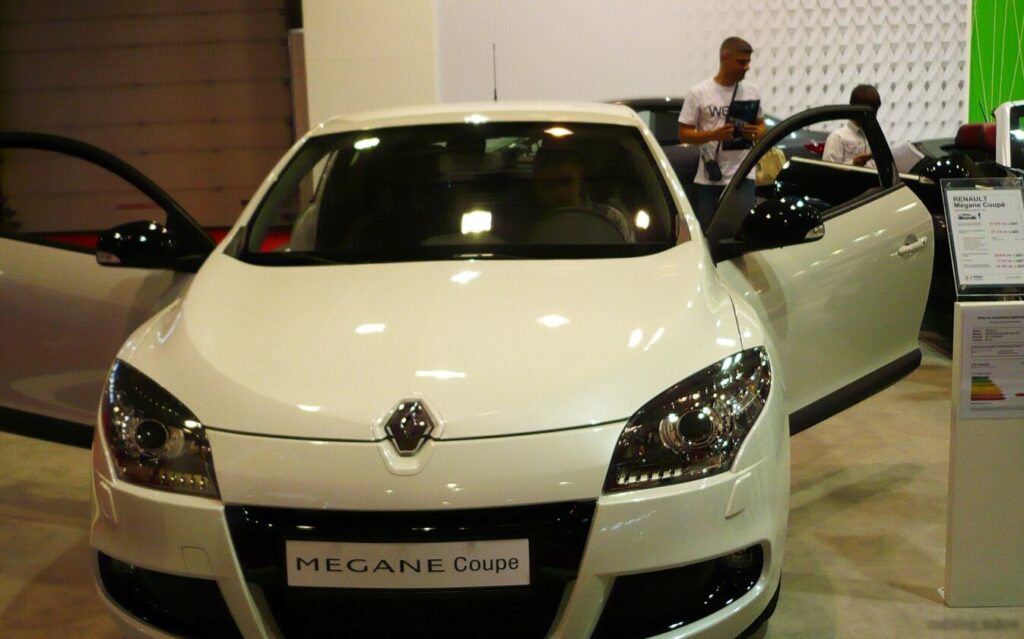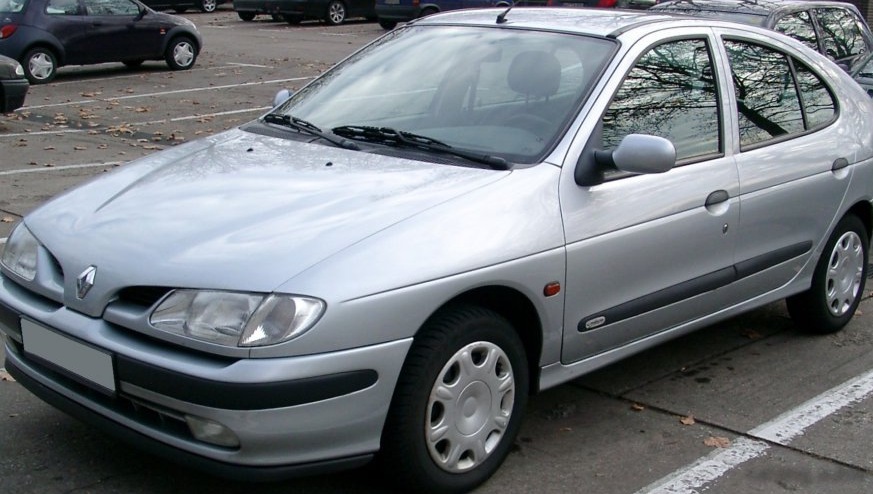
The Renault Megane I (BA) 1.9 dTi, producing 98 horsepower, was a significant variant within the first generation Megane lineup, manufactured between 1997 and 1999. Positioned as a fuel-efficient and practical option, it catered to buyers seeking a balance between economy and reasonable performance. The Megane I (BA) itself represented Renault’s entry into the competitive compact family car segment, built on the AO/B platform, and aimed to modernize Renault’s image with a more contemporary design and improved features. The 1.9 dTi model specifically offered a diesel alternative to the gasoline engines available, appealing to those prioritizing low running costs and long-distance comfort.
Renault Megane I (BA) 1.9 dTi: Powertrain & Engine Architecture
The heart of the Megane I (BA) 1.9 dTi is the F9Q engine, a 1.9-liter inline-four cylinder diesel engine. This engine is characterized by its direct injection system, a technology that significantly improved fuel efficiency and reduced emissions compared to older indirect injection diesel designs. The F9Q engine utilizes a single overhead camshaft (OHC) valvetrain, operating two valves per cylinder. A key feature of this engine is its turbocharger, which forces more air into the cylinders, boosting power output to 98 hp at 4000 rpm and generating 200 Nm (147.51 lb-ft) of torque at 2000 rpm. This torque delivery provided good low-end responsiveness, making it suitable for everyday driving and hauling loads.
The 1.9 dTi was exclusively offered with a five-speed manual transmission. This transmission was chosen to maximize fuel economy and provide a more engaging driving experience, aligning with the target audience who valued practicality over outright performance. The gearbox ratios were geared towards efficiency, prioritizing higher gears for cruising on motorways and minimizing engine revs. The engine oil capacity is 5.5 liters (5.81 US qt / 4.84 UK qt) and requires a specification adhering to Renault’s standards for the period. The cooling system holds 7.5 liters (7.93 US qt / 6.6 UK qt) of coolant.
Engine Code Specifics
The F9Q engine code encompasses several variations, but the 98 hp version found in the Megane I (BA) is a specific tuning of this engine. It differs from earlier or later iterations of the F9Q in terms of turbocharger size, fuel injection mapping, and potentially internal component strengthening. These changes were implemented to optimize the engine for the Megane’s weight and intended use. The compression ratio is relatively high at 18.3:1, typical for direct injection diesel engines, contributing to its efficiency.
Driving Characteristics
The Renault Megane I (BA) 1.9 dTi offered a distinctly different driving experience compared to its gasoline-powered siblings. While lacking the outright acceleration of the 1.6 or 2.0-liter petrol engines, the dTi provided a strong and usable amount of torque from low engine speeds. This made it particularly well-suited for navigating urban environments and overtaking on country roads. Acceleration from 0 to 100 km/h (0-62 mph) took approximately 12.3 seconds, and it achieved a maximum speed of 183 km/h (113.71 mph). The five-speed manual transmission allowed drivers to effectively manage the engine’s power band, keeping it within the optimal torque range for most driving situations.
Compared to the higher-performance versions of the Megane I, the 1.9 dTi prioritized fuel economy and relaxed cruising. The suspension was tuned for comfort, absorbing bumps and imperfections in the road surface effectively. However, this did result in slightly more body roll during cornering compared to the sportier trims. The steering, utilizing a hydraulic power steering system, was light and easy to use, making it convenient for maneuvering in tight spaces.
Equipment & Trim Levels
The 1.9 dTi variant of the Megane I (BA) typically came equipped with a moderate level of standard features. These generally included power steering, central locking, electric front windows, and an adjustable steering column. Interior upholstery was typically cloth, with a functional and durable design. The dashboard layout was straightforward and user-friendly, with clearly labeled controls. Optional extras available for the 1.9 dTi included air conditioning, alloy wheels, a radio/cassette player, and upgraded interior trim. The trim level often dictated the availability of these options, with higher trims offering more features as standard.
The target audience for this trim was typically families or individuals who prioritized fuel efficiency and practicality. It was often chosen by those who covered long distances regularly, such as commuters or sales representatives. The 1.9 dTi offered a comfortable and reliable driving experience without the higher price tag of the more powerful or luxurious trims.
Chassis & Braking
The Megane I (BA) 1.9 dTi utilized an independent coil spring suspension system at the front, providing a comfortable ride and good handling characteristics. The rear suspension employed a torsion beam setup, which was a cost-effective solution that offered adequate stability. The braking system consisted of ventilated discs at the front and drum brakes at the rear. Anti-lock Braking System (ABS) was often included as standard equipment, enhancing safety by preventing wheel lockup during emergency braking. The steering system was a rack and pinion type, providing precise and responsive steering feel.
The tires were typically sized 185/60 R14, mounted on 14-inch steel or alloy wheels. The chassis was designed to accommodate the weight of the diesel engine and the demands of everyday driving. The kerb weight of the 1.9 dTi was approximately 1115 kg (2458.15 lbs), and the maximum permissible weight was 1665 kg (3670.7 lbs).
Market Reception & Comparison
The Renault Megane I (BA) 1.9 dTi was generally well-received by critics for its fuel efficiency and practicality. It was praised for its strong low-end torque and comfortable ride. However, some reviewers noted that it lacked the excitement of the gasoline-powered models. Compared to the 1.6 and 2.0-liter petrol engines, the 1.9 dTi offered significantly better fuel economy – around 5.2 l/100 km (45.2 US mpg / 54.3 UK mpg) combined – but at the expense of outright performance. The 1.9 dTi also offered a quieter and more refined driving experience compared to some of its competitors in the diesel segment.
In terms of reliability, the F9Q engine proved to be generally robust, although it was known to be susceptible to turbocharger issues if not properly maintained. Regular oil changes and adherence to Renault’s recommended service intervals were crucial for ensuring long-term reliability.
Technical Specifications
| Brand | Renault |
| Model | Megane |
| Generation | Megane I (BA) |
| Type (Engine) | 1.9 dTi (98 Hp) |
| Start of production | 1997 |
| End of production | 1999 |
| Engine Displacement | 1870 cm3 (114.11 cu. in.) |
| Number of Cylinders | 4 |
| Engine Configuration | Inline |
| Fuel Type | Diesel |
| Power | 98 Hp @ 4000 rpm |
| Torque | 200 Nm @ 2000 rpm (147.51 lb.-ft. @ 2000 rpm) |
| Fuel Consumption (Urban) | 6.8 l/100 km (34.6 US mpg / 41.5 UK mpg) |
| Fuel Consumption (Extra Urban) | 4.4 l/100 km (53.5 US mpg / 64.2 UK mpg) |
| Fuel Consumption (Combined) | 5.2 l/100 km (45.2 US mpg / 54.3 UK mpg) |
| CO2 Emissions | 139 g/km |
| Acceleration 0-100 km/h | 12.3 sec |
| Maximum Speed | 183 km/h (113.71 mph) |
| Kerb Weight | 1115 kg (2458.15 lbs) |
| Fuel Tank Capacity | 60 l (15.85 US gal / 13.2 UK gal) |
| Transmission | 5-speed Manual |
Legacy
The Renault Megane I (BA) 1.9 dTi, while now an older vehicle, remains a relatively common sight on European roads. The F9Q engine, despite its age, is known for its durability and relatively simple construction, making it a popular choice for those seeking an affordable and reliable diesel car. However, finding well-maintained examples can be challenging, as many have accumulated high mileage and may require significant repairs. The 1.9 dTi powertrain has earned a reputation as a workhorse, capable of covering long distances with reasonable fuel economy. In the used car market, these models are typically priced affordably, making them an attractive option for budget-conscious buyers. The legacy of the 1.9 dTi lies in its contribution to making diesel technology more accessible and popular in the compact family car segment.