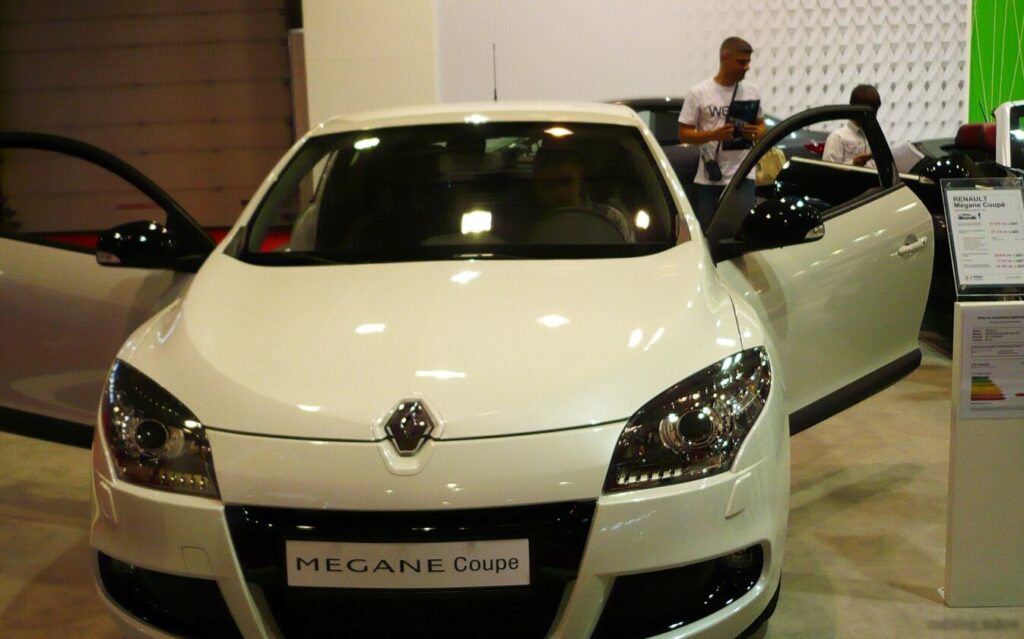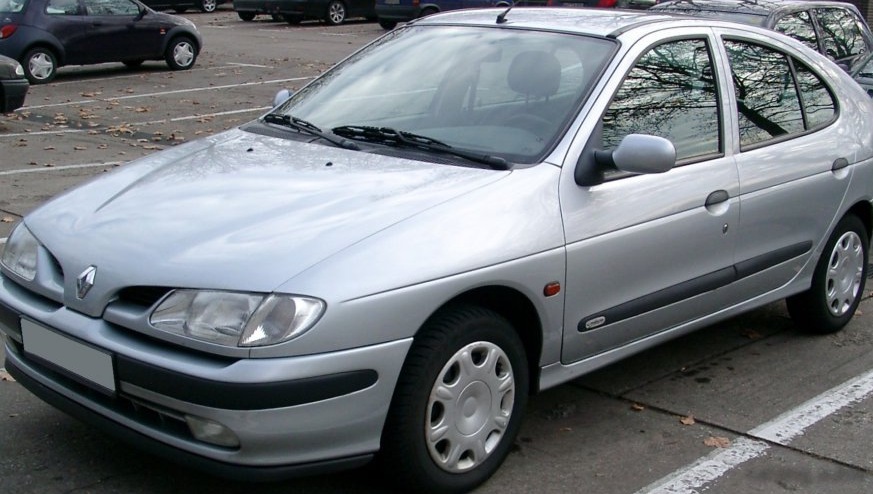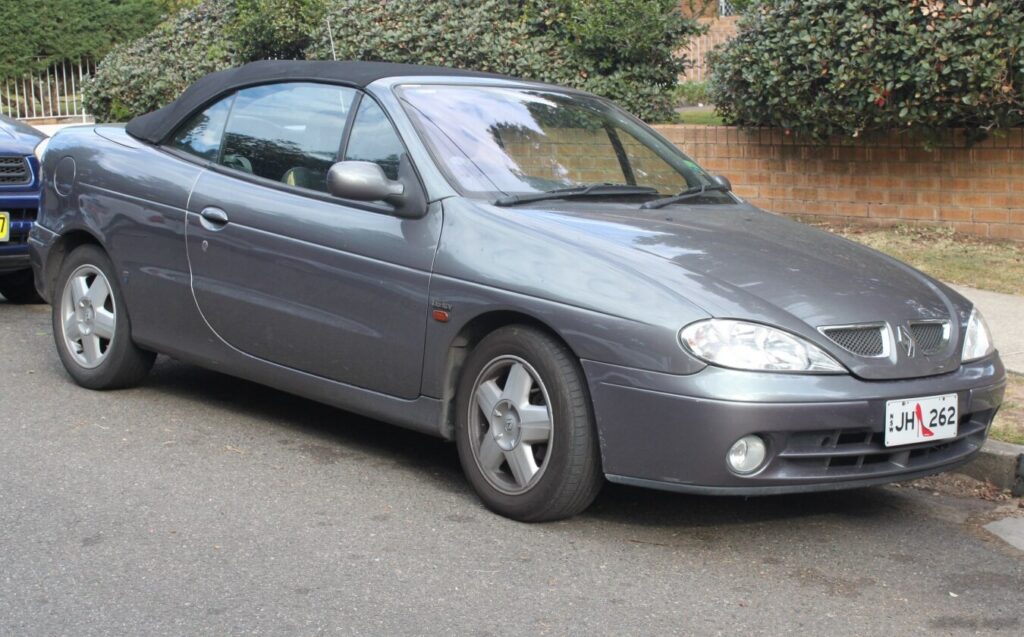
The Renault Megane I Cabriolet Phase II, produced from 1999 to 2003, represented a significant offering in the affordable convertible market. The 1.6i 16V variant, powered by the K4M engine and producing 107 horsepower, was a popular choice, particularly as an entry-level option within the Megane Cabriolet range. This model sat within the broader context of the Megane I series (1995-2003), built on the D platform, and offered open-air motoring to a wider audience than more expensive competitors. The Phase II update brought styling refinements and minor mechanical improvements over the original Megane I Cabriolet.
1.6i 16V Powertrain & Engine Architecture
The heart of the Megane I Cabriolet 1.6i 16V is the Renault K4M engine, a 1.6-liter (1598 cm3 or 97.52 cu. in.) inline four-cylinder gasoline engine. This engine is characterized by its all-aluminum construction, contributing to a relatively lightweight design. The K4M utilizes a multi-port fuel injection system, delivering fuel directly into the intake ports, and a double overhead camshaft (DOHC) valvetrain with four valves per cylinder. This 16-valve configuration enhances breathing and contributes to the engine’s power output. Bore and stroke dimensions are 79.5 mm (3.13 in) and 80.5 mm (3.17 in) respectively, with a compression ratio of 10:1.
While a five-speed manual transmission was standard, the 1.6i 16V was also offered with a four-speed automatic transmission. This automatic, while providing convenience, was a key differentiator in the driving experience compared to the manual version. The automatic transmission featured standard torque converter technology and was geared towards smooth operation rather than outright performance. Engine oil capacity is 4.4 liters (4.65 US qt | 3.87 UK qt) and coolant capacity is 7.9 liters (8.35 US qt | 6.95 UK qt).
Engine Code & Characteristics
The K4M engine is known for its relative reliability and straightforward maintenance. It’s a non-interference engine, meaning that even if the timing belt breaks, the valves and pistons are unlikely to collide, preventing catastrophic engine damage. However, regular timing belt replacement is still crucial. The engine’s power output of 107 hp at 5750 rpm and torque of 148 Nm (109.16 lb-ft) at 3750 rpm, provides adequate performance for everyday driving, but it’s not a particularly powerful engine. Power per liter is 67 hp/l.
Driving Characteristics
The 1.6i 16V automatic Megane Cabriolet offered a comfortable and relaxed driving experience. Acceleration from 0-100 km/h (0-62 mph) took approximately 10.1 seconds, and 0-60 mph was achieved in around 9.6 seconds. Top speed was rated at 200 km/h (124.27 mph). The four-speed automatic transmission, while smooth, resulted in noticeable gear changes and didn’t allow the engine to rev as freely as the manual version. This impacted acceleration and overall responsiveness. The gear ratios were optimized for fuel efficiency and cruising comfort rather than sporty performance.
Compared to the higher-performance Megane Cabriolet variants, such as those equipped with the 2.0 16V engine, the 1.6i 16V automatic felt noticeably slower. However, it offered a more accessible price point and lower running costs, making it an attractive option for drivers prioritizing affordability and ease of use. The front-wheel-drive configuration provided predictable handling, but the Cabriolet’s open-top design and relatively soft suspension meant it wasn’t a particularly sporty handler.
Equipment & Trim Levels
The 1.6i 16V Cabriolet typically came with a reasonable level of standard equipment. This included power steering, central locking, electric front windows, and an AM/FM radio. Interior upholstery was typically cloth, with a relatively simple dashboard layout. Optional extras included air conditioning, alloy wheels, a leather steering wheel, and upgraded audio systems. The trim level could vary depending on the market, but generally, the 1.6i 16V represented the entry-level Cabriolet offering.
Safety features included an Anti-lock Braking System (ABS), which was becoming increasingly common on European cars during this period. The Cabriolet’s safety cage was designed to protect occupants in the event of a rollover, and the car met the Euro 3 emission standards.
Chassis & Braking
The Megane I Cabriolet utilized an independent coil spring suspension at the front and a torsion beam suspension at the rear. This setup provided a reasonable balance between comfort and handling. The front brakes were ventilated discs, offering good stopping power, while the rear brakes were drums. This combination was typical for cars in this price range at the time. The steering was a rack and pinion system with hydraulic power assistance, providing light and easy steering.
Tire size was typically 185/55 R15, mounted on 6.0J x 15 inch wheel rims. The curb weight of the 1.6i 16V Cabriolet was 1125 kg (2480.2 lbs), and the maximum weight was 1560 kg (3439.21 lbs). The maximum load capacity was 435 kg (959.01 lbs).
Market Reception & Comparison
The Renault Megane I Cabriolet 1.6i 16V was generally well-received by critics as an affordable and stylish convertible. It offered a good value proposition compared to more expensive rivals, such as the Peugeot 206 CC or the Mazda MX-5. Fuel economy was a strong point, with combined fuel consumption of 7 l/100 km (33.6 US mpg, 40.4 UK mpg, 14.3 km/l). CO2 emissions were 165 g/km.
However, the automatic transmission was sometimes criticized for its lack of responsiveness and limited number of gears. The manual transmission version was generally considered to be more engaging to drive. Reliability was generally good, although some owners reported minor issues with the electrical system. Compared to the 2.0 16V variant, the 1.6i 16V offered lower running costs but less performance.
Technical Specifications
| Brand | Renault |
| Model | Megane |
| Generation | Megane I Cabriolet (Phase II, 1999) |
| Type (Engine) | 1.6i 16V (107 Hp) |
| Start of production | 1999 year |
| End of production | 2003 year |
| Powertrain Architecture | Internal Combustion engine |
| Body type | Cabriolet |
| Seats | 4 |
| Doors | 2 |
| Fuel consumption (urban) | 9.4 l/100 km (25 US mpg, 30.1 UK mpg, 10.6 km/l) |
| Fuel consumption (extra urban) | 5.7 l/100 km (41.3 US mpg, 49.6 UK mpg, 17.5 km/l) |
| Fuel consumption (combined) | 7 l/100 km (33.6 US mpg, 40.4 UK mpg, 14.3 km/l) |
| CO2 emissions | 165 g/km |
| Fuel Type | Petrol (Gasoline) |
| Acceleration 0 – 100 km/h | 10.1 sec |
| Acceleration 0 – 62 mph | 10.1 sec |
| Acceleration 0 – 60 mph | 9.6 sec |
| Maximum speed | 200 km/h (124.27 mph) |
| Emission standard | Euro 3 |
| Weight-to-power ratio | 10.5 kg/Hp, 95.1 Hp/tonne |
| Weight-to-torque ratio | 7.6 kg/Nm, 131.6 Nm/tonne |
| Power | 107 Hp @ 5750 rpm |
| Torque | 148 Nm @ 3750 rpm (109.16 lb.-ft. @ 3750 rpm) |
| Engine layout | Front, Transverse |
| Engine Model/Code | K4M |
| Engine displacement | 1598 cm3 (97.52 cu. in.) |
| Number of cylinders | 4 |
| Engine configuration | Inline |
| Cylinder Bore | 79.5 mm (3.13 in) |
| Piston Stroke | 80.5 mm (3.17 in) |
| Compression ratio | 10:1 |
| Number of valves per cylinder | 4 |
| Fuel injection system | Multi-port manifold injection |
| Engine aspiration | Naturally aspirated engine |
| Valvetrain | DOHC |
| Engine oil capacity | 4.4 l (4.65 US qt | 3.87 UK qt) |
| Coolant | 7.9 l (8.35 US qt | 6.95 UK qt) |
| Kerb Weight | 1125 kg (2480.2 lbs) |
| Max. weight | 1560 kg (3439.21 lbs) |
| Max load | 435 kg (959.01 lbs) |
| Trunk (boot) space – minimum | 281 l (9.92 cu. ft) |
| Fuel tank capacity | 60 l (15.85 US gal | 13.2 UK gal) |
| Permitted trailer load with brakes (12%) | 1250 kg (2755.78 lbs) |
| Permitted trailer load without brakes | 600 kg (1322.77 lbs) |
| Permitted towbar download | 75 kg (165.35 lbs) |
| Length | 4082 mm (160.71 in) |
| Width | 1698 mm (66.85 in) |
| Height | 1368 mm (53.86 in) |
| Wheelbase | 2468 mm (97.17 in) |
| Front track | 1450 mm (57.09 in) |
| Rear (Back) track | 1432 mm (56.38 in) |
| Minimum turning circle (turning diameter) | 11.30 m (37.07 ft) |
| Drivetrain Architecture | The Internal combustion engine (ICE) drives the front wheels of the vehicle. |
| Drive wheel | Front wheel drive |
| Number of gears and type of gearbox | 5 gears, manual transmission |
| Front suspension | Independent coil spring |
| Rear suspension | Torsion |
| Front brakes | Ventilated discs |
| Rear brakes | Drum |
| Assisting systems | ABS (Anti-lock braking system) |
| Steering type | Steering rack and pinion |
| Power steering | Hydraulic Steering |
| Tires size | 185/55 R15 |
| Wheel rims size | 6.0J x 15 |
Legacy
The Renault Megane I Cabriolet 1.6i 16V, particularly with the automatic transmission, remains a relatively affordable entry point into classic convertible ownership. The K4M engine is known for its durability, and with regular maintenance, can provide many years of reliable service. However, age-related issues, such as corrosion and wear on suspension components, are common. Parts availability is generally good, although some specific trim pieces may be difficult to find. Today, these cars are appreciated for their retro styling and offer a charming alternative to more modern convertibles. The automatic transmission models, while not offering the most engaging driving experience, are still sought after by those prioritizing comfort and ease of use.