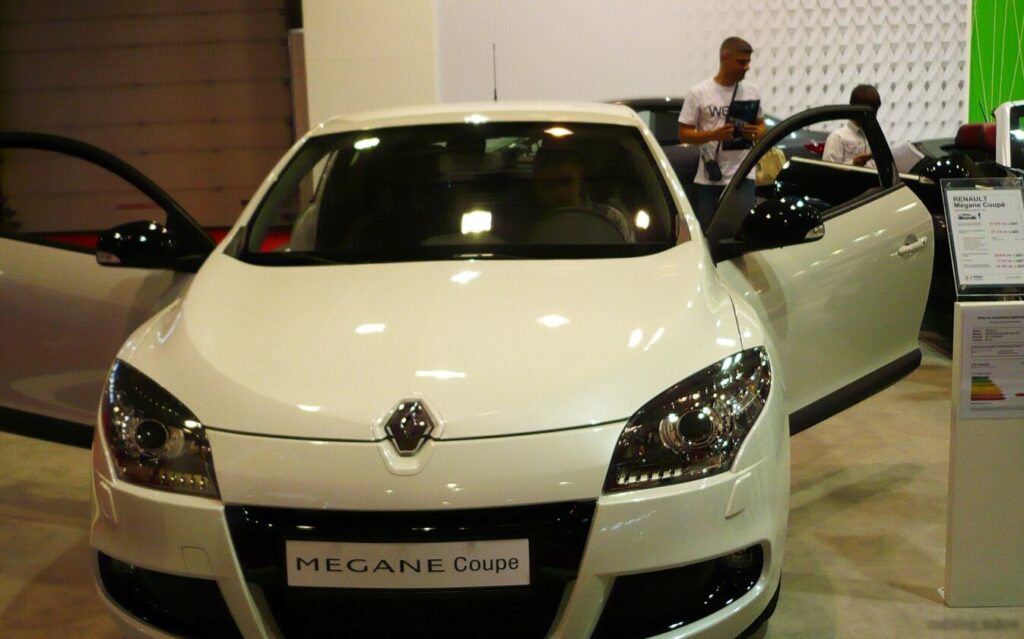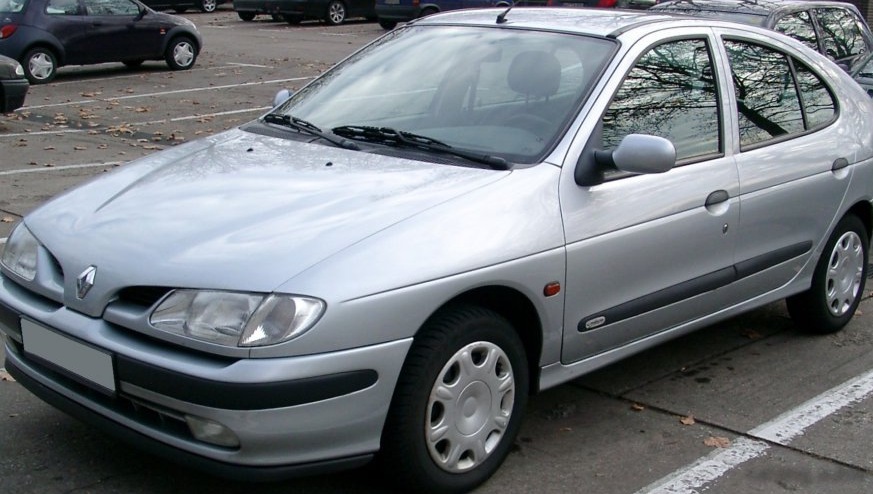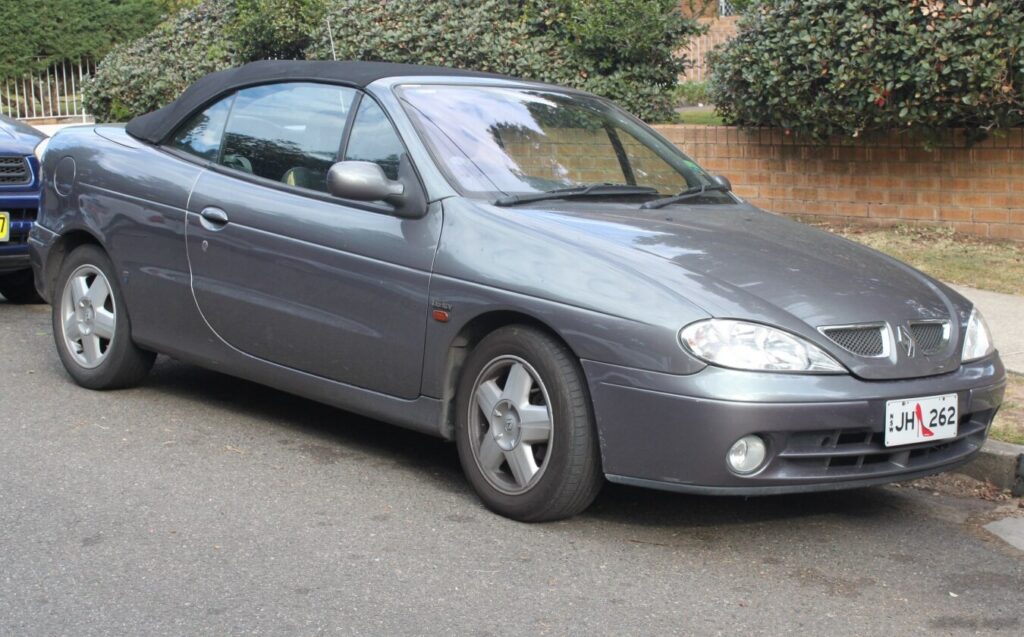
The Renault Megane I Cabriolet Phase II, produced from 1999 to 2003, represented a significant offering in the affordable convertible market. The 1.6i 16V (107 hp) Automatic variant occupied a middle ground within the Megane Cabriolet range, positioned as a more accessible and comfort-oriented option compared to the higher-performance engine choices. This model was built on the 1HX0/A3 platform, shared with other Renault and Nissan vehicles of the era, and aimed to provide open-air motoring to a broader customer base.
The 1.6i 16V Automatic: Positioning and Target Audience
The 1.6L 16V Automatic Megane Cabriolet was designed to appeal to buyers prioritizing ease of use and comfort over outright performance. It served as a step up from the base 1.4L engine, offering more power and a more refined driving experience, while remaining more affordable and less demanding to drive than the 2.0L 16V variants. The automatic transmission was a key selling point for those seeking a relaxed driving experience, particularly in urban environments. This trim level targeted individuals and couples looking for a stylish and practical convertible for leisure driving, rather than enthusiasts seeking a sporty roadster.
Powertrain & Engine Architecture
At the heart of the 1.6i 16V Automatic Megane Cabriolet lies the Renault K4M engine. This 1598cc (97.52 cu. in.) inline-four cylinder engine is a naturally aspirated unit featuring multi-port fuel injection. The ‘16V’ designation indicates the engine utilizes a dual overhead camshaft (DOHC) valvetrain, with four valves per cylinder. This configuration contributes to improved breathing and higher power output compared to engines with two valves per cylinder. The engine produces 107 hp at 5750 rpm and 148 Nm (109.16 lb-ft) of torque at 3750 rpm.
The engine’s fuel injection system is a Bosch Motronic MP6.2, a common system for Renault vehicles of the period. This system manages fuel delivery and ignition timing for optimal performance and emissions control. The compression ratio is 10:1, a typical value for naturally aspirated gasoline engines of this era. Engine oil capacity is 4.4 liters (4.65 US qt | 3.87 UK qt), and the recommended coolant capacity is 7.9 liters (8.35 US qt | 6.95 UK qt).
The K4M engine is mated to a four-speed automatic transmission. This transmission, while providing convenience, is a relatively simple design compared to modern automatic gearboxes. It features traditional hydraulic control and lacks the efficiency and responsiveness of more advanced transmissions. Gear ratios are tuned for comfortable cruising and adequate acceleration, but it doesn’t prioritize sporty performance.
Transmission Details
The four-speed automatic transmission used in the Megane Cabriolet 1.6i 16V is a DP0 type transmission. It’s known for its reliability, but it’s not particularly fuel-efficient by modern standards. The gear ratios are designed to provide a balance between acceleration and fuel economy, but the limited number of gears can result in noticeable engine speed fluctuations during acceleration and deceleration. The transmission lacks a manual shift mode, relying solely on automatic gear selection.
Driving Characteristics
The 1.6L 16V Automatic Megane Cabriolet delivers a comfortable, if not exhilarating, driving experience. Acceleration from 0-100 km/h (0-62 mph) takes approximately 12.5 seconds, and the top speed is around 191 km/h (118.68 mph). The automatic transmission provides smooth gear changes, but it can feel somewhat sluggish, especially when attempting quick overtaking maneuvers. The engine’s torque output is adequate for everyday driving, but it requires downshifting for more spirited acceleration. Compared to the manual transmission version of the same engine, the automatic version typically exhibits slightly slower acceleration due to the inherent power losses within the transmission.
The Cabriolet’s handling is generally predictable and safe, but it’s not particularly sporty. The suspension is tuned for comfort, resulting in a relatively soft ride. Body roll is noticeable during cornering, but it’s well-controlled. The steering is hydraulic power-assisted, providing light and easy steering feel.
Equipment & Trim Levels
The 1.6i 16V Automatic Megane Cabriolet typically came equipped with a reasonable level of standard features. These included power steering, central locking, electric front windows, and an AM/FM radio. Interior upholstery was typically cloth, with a choice of colors available. The dashboard layout was functional and straightforward, with easy-to-read gauges. Optional extras included air conditioning, alloy wheels, a CD player, and leather upholstery. Higher trim levels, if available, might have added features such as a trip computer and upgraded sound system.
Chassis & Braking
The Megane Cabriolet’s chassis features independent coil spring suspension at the front and a torsion beam suspension at the rear. This setup provides a good balance between ride comfort and handling. The front brakes are ventilated discs, providing adequate stopping power, while the rear brakes are drums. This combination was common for vehicles in this price range during the late 1990s and early 2000s. The car is equipped with an Anti-lock Braking System (ABS) as a standard safety feature.
Market Reception & Comparison
The 1.6i 16V Automatic Megane Cabriolet was generally well-received by automotive critics as a practical and affordable convertible. It was praised for its comfortable ride, ease of use, and stylish design. However, it was also criticized for its relatively modest performance and the somewhat dated four-speed automatic transmission. Compared to the 2.0L 16V variants, the 1.6L offered lower running costs and a more relaxed driving experience, but at the expense of performance. Fuel economy was respectable for a convertible, with combined fuel consumption of around 7.1 l/100 km (33.1 US mpg / 39.8 UK mpg).
Technical Specifications
| Brand | Renault |
| Model | Megane I Cabriolet |
| Generation | Megane I Cabriolet (Phase II, 1999) |
| Type (Engine) | 1.6i 16V (107 Hp) Automatic |
| Start of production | 1999 |
| End of production | 2003 |
| Engine Code | K4M |
| Engine Displacement | 1598 cm3 (97.52 cu. in.) |
| Number of Cylinders | 4 |
| Power | 107 Hp @ 5750 rpm |
| Torque | 148 Nm @ 3750 rpm (109.16 lb.-ft. @ 3750 rpm) |
| Fuel Consumption (Urban) | 9.7 l/100 km (24.2 US mpg / 29.1 UK mpg) |
| Fuel Consumption (Extra Urban) | 5.6 l/100 km (42 US mpg / 50.4 UK mpg) |
| Fuel Consumption (Combined) | 7.1 l/100 km (33.1 US mpg / 39.8 UK mpg) |
| CO2 Emissions | 174 g/km |
| Acceleration 0-100 km/h | 12.5 sec |
| Acceleration 0-62 mph | 12.5 sec |
| Maximum Speed | 191 km/h (118.68 mph) |
| Kerb Weight | 1155 kg (2546.34 lbs.) |
| Fuel Tank Capacity | 60 l (15.85 US gal | 13.2 UK gal) |
| Transmission | 4-speed Automatic |
Legacy
The Renault Megane I Cabriolet 1.6i 16V Automatic, while not a performance icon, remains a popular choice in the used car market. The K4M engine is known for its reliability and relatively low maintenance costs. The automatic transmission, while not the most sophisticated, is generally durable. However, potential buyers should be aware of potential issues such as corrosion, particularly on older examples. Parts availability is generally good, as the Megane I was a widely produced model. Today, these cars are often sought after by enthusiasts looking for an affordable and stylish classic convertible.
The 1.6L engine and automatic transmission combination provided a comfortable and accessible entry point into the world of open-top motoring for many drivers. While newer convertibles offer more advanced technology and performance, the Megane I Cabriolet 1.6i 16V Automatic retains a certain charm and appeal, representing a popular and well-regarded model from the late 1990s and early 2000s.