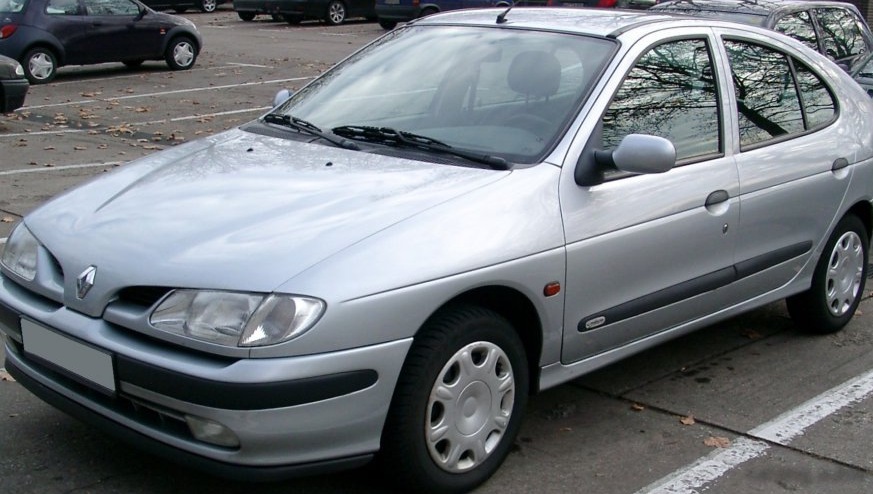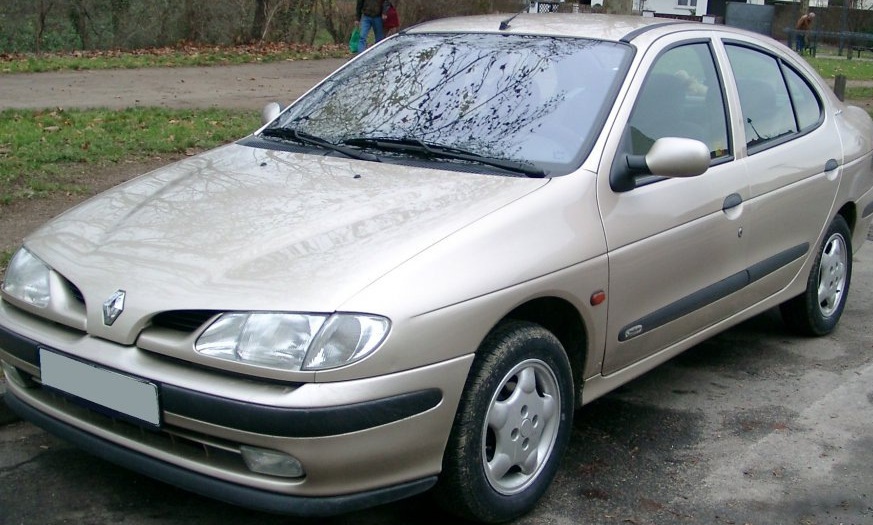
The Renault Megane I Classic (LA) 1.6 e, producing 75 horsepower, was a mainstay of the Megane I sedan range from 1996 to 1999. Positioned as an entry-level to mid-range offering, it provided affordable family transportation within the compact car segment. This variant was built on the 1HX0 platform, shared with other Renault models of the era, and represented a significant step forward for Renault in terms of design and practicality. The “Classic” designation denoted the sedan body style, differentiating it from the hatchback versions also available.
Powertrain & Engine Architecture
The heart of the Megane 1.6 e was the Renault E7J engine, a 1.6-liter inline-four cylinder gasoline engine. This engine was a common sight in various Renault and Peugeot vehicles during the 1990s. The E7J featured a single-point fuel injection system, a relatively simple and cost-effective technology for the time. While not as efficient or powerful as multi-point injection systems, it contributed to the car’s affordability. The engine’s valvetrain consisted of an overhead camshaft (OHC) operating two valves per cylinder. This configuration was typical for engines of this displacement and era, balancing simplicity with reasonable performance.
The engine produced 75 hp at 5000 rpm and 130 Nm (95.88 lb-ft) of torque at 3400 rpm. The compression ratio was set at 9:1. Engine oil capacity was 4 liters (4.23 US qt | 3.52 UK qt) and coolant capacity was 6 liters (6.34 US qt | 5.28 UK qt). The engine was transversely mounted in the front of the vehicle, driving the front wheels.
Transmission
The 1.6 e was primarily equipped with a five-speed manual transmission. While an automatic transmission was offered in some markets, it was less common and generally considered to detract from the car’s already modest performance. The manual gearbox was a standard unit for Renault at the time, known for its relatively smooth operation and durability. Gear ratios were geared towards fuel efficiency and everyday drivability rather than outright acceleration.
Driving Characteristics
The driving experience in the Megane 1.6 e was characterized by its practicality and ease of use. Acceleration was not a strong point, with a 0-100 km/h (0-62 mph) time of around 12.9 seconds. The car’s top speed was approximately 175 km/h (108.74 mph). The engine felt somewhat strained at higher speeds, and overtaking required careful planning. However, around town and on the highway, the 1.6 e provided adequate performance for most drivers. The relatively light weight of the vehicle (1060 kg / 2336.9 lbs) helped to mitigate the effects of the modest power output.
Compared to the higher-performance Megane variants, such as those equipped with the 2.0-liter 16V engine, the 1.6 e felt significantly slower. The 1.6 e prioritized fuel economy and affordability over sporty driving dynamics. The manual transmission allowed for greater driver control and a more engaging experience than the optional automatic.
Equipment & Trim Levels
The Megane 1.6 e typically came with a basic level of equipment, reflecting its position as an entry-level model. Standard features generally included power steering, central locking, and a basic audio system. Interior upholstery was typically cloth, and the dashboard featured a functional but somewhat utilitarian design. Air conditioning was often an optional extra, as were power windows and alloy wheels.
Higher trim levels, such as the “RT” or “Equip” variants, added features like electric windows, upgraded audio systems, and more comfortable seats. However, the core mechanical components – the 1.6-liter engine and five-speed manual transmission – remained largely the same across most trim levels.
Chassis & Braking
The Megane I Classic featured an independent coil spring suspension at the front and a torsion beam suspension at the rear. This setup provided a reasonable balance between ride comfort and handling. The front brakes were ventilated discs, offering good stopping power, while the rear brakes were drums. This combination was typical for cars in this price range during the 1990s.
Anti-lock braking system (ABS) was available as an option, enhancing safety by preventing wheel lockup during hard braking. The steering was a rack and pinion system with hydraulic power assistance, providing light and precise steering feel. Tire size was typically 175/65 R14, mounted on 14-inch steel wheels.
Market Reception & Comparison
The Renault Megane I Classic 1.6 e was generally well-received by critics as a practical and affordable family car. It was praised for its spacious interior, comfortable ride, and reasonable fuel economy. However, it was also criticized for its lack of power and somewhat basic interior. Compared to rivals like the Volkswagen Golf and Ford Focus, the Megane 1.6 e offered a competitive price point but lacked the same level of refinement.
Fuel economy figures were respectable for the time, with combined fuel consumption of 7.2 l/100 km (32.7 US mpg / 39.2 UK mpg). Reliability was generally good, although the single-point fuel injection system could sometimes be prone to issues. The 1.6 e was considered a more reliable option than the more complex and powerful engine variants.
Technical Specifications
| Brand | Renault |
| Model | Megane |
| Generation | Megane I Classic (LA) |
| Type (Engine) | 1.6 e (75 Hp) |
| Start of production | 1996 |
| End of production | 1999 |
| Body type | Sedan |
| Seats | 5 |
| Doors | 4 |
| Fuel consumption (urban) | 9.6 l/100 km (24.5 US mpg / 29.4 UK mpg) |
| Fuel consumption (extra urban) | 5.7 l/100 km (41.3 US mpg / 49.6 UK mpg) |
| Fuel consumption (combined) | 7.2 l/100 km (32.7 US mpg / 39.2 UK mpg) |
| CO2 emissions | 170 g/km |
| Fuel Type | Petrol (Gasoline) |
| Acceleration 0 – 100 km/h | 12.9 sec |
| Acceleration 0 – 62 mph | 12.9 sec |
| Acceleration 0 – 60 mph | 12.3 sec |
| Maximum speed | 175 km/h (108.74 mph) |
| Weight-to-power ratio | 14.1 kg/Hp |
| Power | 75 Hp @ 5000 rpm |
| Torque | 130 Nm @ 3400 rpm (95.88 lb.-ft. @ 3400 rpm) |
| Engine layout | Front, Transverse |
| Engine Model/Code | E7J |
| Engine displacement | 1598 cm3 (97.52 cu. in.) |
| Number of cylinders | 4 |
| Cylinder Bore | 79.5 mm (3.13 in.) |
| Piston Stroke | 80.5 mm (3.17 in.) |
| Compression ratio | 9:1 |
| Number of valves per cylinder | 2 |
| Fuel injection system | Single-point injection |
| Engine oil capacity | 4 l (4.23 US qt | 3.52 UK qt) |
| Coolant capacity | 6 l (6.34 US qt | 5.28 UK qt) |
| Kerb Weight | 1060 kg (2336.9 lbs.) |
| Max. weight | 1605 kg (3538.42 lbs.) |
| Trunk (boot) space | 510 l (18.01 cu. ft.) |
| Fuel tank capacity | 60 l (15.85 US gal | 13.2 UK gal) |
| Length | 4440 mm (174.8 in.) |
| Width | 1699 mm (66.89 in.) |
| Height | 1420 mm (55.91 in.) |
| Wheelbase | 2580 mm (101.57 in.) |
| Drive wheel | Front wheel drive |
| Number of gears | 5 gears, manual transmission |
Legacy
The Renault Megane I Classic 1.6 e remains a relatively common sight on European roads today, often found in the hands of budget-conscious drivers or as a classic car. The E7J engine is known for its durability, and many examples have exceeded 200,000 kilometers without major issues. However, age-related problems, such as corrosion and wear on suspension components, are common. Parts availability is generally good, and the car’s simple mechanical design makes it relatively easy to maintain. While not a particularly exciting or desirable car, the Megane 1.6 e served as a reliable and affordable mode of transportation for many families during the late 1990s, and continues to offer a practical and economical option for those seeking a classic European sedan.