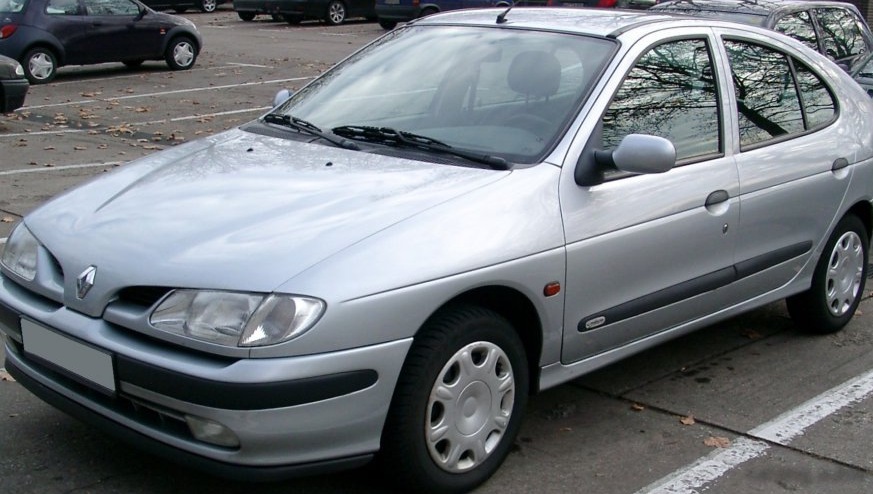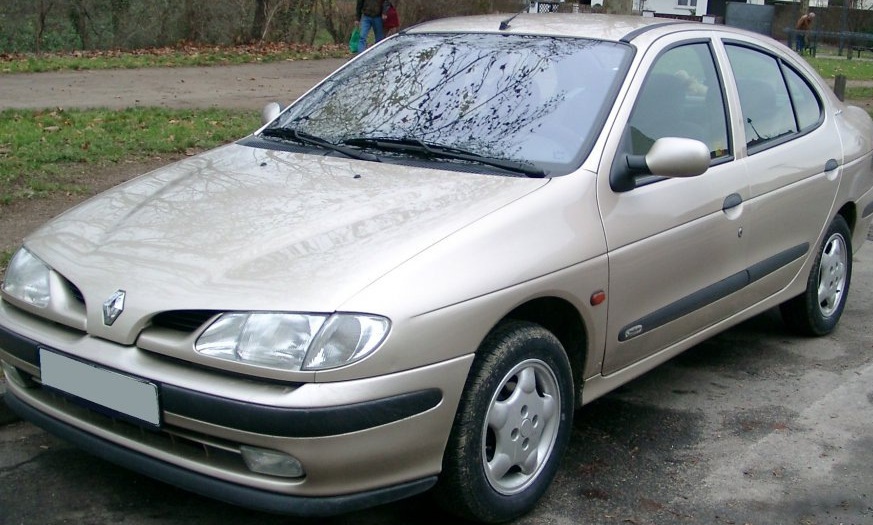
The Renault Megane I Classic (LA) 1.6 e, producing 90 horsepower, was a popular variant of the first-generation Megane sedan produced between 1996 and 1999. Positioned as an entry-to-mid-range offering within the Megane I Classic lineup, it provided a balance of affordability, practicality, and reasonable performance. This model was built on the 1HX0/A3 platform, shared with other Renault and Nissan vehicles of the era. The “Classic” designation denoted the traditional sedan body style, differentiating it from the hatchback and coupe versions also available.
Powertrain & Engine Architecture
The heart of the Megane 1.6 e was the Renault K7M engine, a 1.6-liter inline-four cylinder gasoline engine. This engine was a mainstay in Renault’s lineup for many years, known for its relative simplicity and durability. The K7M featured a single overhead camshaft (OHC) valvetrain with two valves per cylinder. Fuel delivery was handled by a multi-port fuel injection system, providing a good compromise between efficiency and performance for the time. The engine displaced 1598 cm³ (97.52 cubic inches) and produced 90 hp at 5000 rpm and 137 Nm (101.05 lb-ft) of torque at 4000 rpm. The compression ratio was 9.5:1.
Paired with the K7M engine was a four-speed automatic transmission. This transmission, while offering convenience, was not known for its particularly sporty or efficient operation. It was a traditional hydraulic automatic, lacking the electronic controls found in later transmissions. The gear ratios were geared towards fuel economy and smooth cruising rather than rapid acceleration. The automatic transmission was a key differentiator for this trim, appealing to buyers prioritizing ease of use over driver engagement.
Engine Code Specifics
The K7M engine code was used across a range of Renault models during the 1990s. While generally reliable, variations in maintenance and driving conditions could lead to issues such as oil leaks and occasional sensor failures. The engine oil capacity was 4 liters (4.23 US quarts / 3.52 UK quarts), and Renault recommended specific oil specifications for optimal performance and longevity.
Driving Characteristics
The Megane 1.6 e Automatic offered a comfortable, if not particularly exhilarating, driving experience. Acceleration from 0 to 100 km/h (0-62 mph) took approximately 11.5 seconds, and 0-60 mph was achieved in around 10.9 seconds. The top speed was 184 km/h (114.33 mph). The automatic transmission contributed to a smooth, albeit somewhat sluggish, power delivery. Compared to the five-speed manual version of the 1.6L engine, the automatic resulted in a noticeable decrease in both acceleration and fuel economy.
The automatic transmission’s gear ratios were optimized for cruising, making the car feel relaxed on the highway. However, overtaking maneuvers required careful planning, as the engine lacked the low-end grunt of larger displacement engines or the responsiveness of a manual gearbox. The weight-to-power ratio of 11.8 kg/hp indicated that the car wasn’t designed for outright performance. The 1.6L automatic was noticeably slower than the higher-spec 2.0L 16V models, which offered significantly more power and a sportier driving experience. It also lagged behind the diesel options, such as the 1.9 dTi, in terms of torque and fuel efficiency.
Equipment & Trim Levels
The 1.6 e trim level typically included features such as power steering, central locking, and electric front windows. Interior upholstery was generally cloth, with a relatively simple dashboard layout. Air conditioning was often an optional extra, as were features like alloy wheels and a radio/cassette player. Safety features were basic for the time, typically including a driver’s airbag and ABS (Anti-lock Braking System). The overall interior ambiance was functional and practical, prioritizing durability over luxury.
Optional extras could significantly enhance the car’s appeal. Buyers could specify upgrades such as a sunroof, upgraded audio systems, and metallic paint finishes. The level of equipment varied depending on the specific market and the year of manufacture. The 1.6 e trim was often seen as a good base for adding optional extras, allowing buyers to customize the car to their preferences without the higher cost of the more premium trims.
Chassis & Braking
The Megane I Classic 1.6 e featured an independent coil spring suspension at the front, providing a reasonable level of ride comfort. The rear suspension utilized a torsion beam setup, which was a cost-effective solution for the time. Front brakes were ventilated discs, offering adequate stopping power, while the rear brakes were drums. The steering was a hydraulic rack and pinion system, providing a reasonably direct feel. Tire size was typically 175/65 R14, mounted on 14-inch steel wheels.
The chassis was tuned for comfort and stability rather than sporty handling. The stabilizer bar thickness was moderate, providing a balance between body roll control and ride quality. The ABS system helped to improve braking performance in emergency situations, preventing wheel lockup and maintaining steering control. The curb weight of 1060 kg (2336.9 lbs) contributed to the car’s manageable handling characteristics.
Market Reception & Comparison
The Renault Megane I Classic 1.6 e Automatic was generally well-received as a practical and affordable family sedan. Critics praised its comfortable ride and reasonable fuel economy, but noted its lack of outright performance. Compared to its siblings, the 1.6L automatic offered a more accessible price point than the higher-spec 2.0L models, but it lacked their power and refinement. It also trailed the diesel variants in terms of fuel efficiency and torque.
Fuel consumption figures were approximately 9.7 l/100 km (24.2 US mpg / 29.1 UK mpg) in urban driving, 5.7 l/100 km (41.3 US mpg / 49.6 UK mpg) on the extra-urban cycle, and 7.2 l/100 km (32.7 US mpg / 39.2 UK mpg) combined. CO2 emissions were 172 g/km. Reliability was generally good, although regular maintenance was essential to prevent issues such as oil leaks and sensor failures. The 1.6L engine was known to be relatively durable, but the automatic transmission could be prone to wear and tear if not properly maintained.
Technical Specifications
| Brand | Renault |
| Model | Megane |
| Generation | Megane I Classic (LA) |
| Type (Engine) | 1.6 e (90 Hp) |
| Start of production | 1996 |
| End of production | 1999 |
| Body type | Sedan |
| Seats | 5 |
| Doors | 4 |
| Fuel consumption (urban) | 9.7 l/100 km (24.2 US mpg) |
| Fuel consumption (extra urban) | 5.7 l/100 km (41.3 US mpg) |
| Fuel consumption (combined) | 7.2 l/100 km (32.7 US mpg) |
| CO2 emissions | 172 g/km |
| Fuel Type | Petrol (Gasoline) |
| Acceleration 0 – 100 km/h | 11.5 sec |
| Acceleration 0 – 62 mph | 11.5 sec |
| Acceleration 0 – 60 mph | 10.9 sec |
| Maximum speed | 184 km/h (114.33 mph) |
| Engine layout | Front, Transverse |
| Engine Model/Code | K7M |
| Engine displacement | 1598 cm3 (97.52 cu. in.) |
| Number of cylinders | 4 |
| Cylinder Bore | 79.5 mm (3.13 in.) |
| Piston Stroke | 80.5 mm (3.17 in.) |
| Compression ratio | 9.5:1 |
| Engine oil capacity | 4 l (4.23 US qt | 3.52 UK qt) |
| Kerb Weight | 1060 kg (2336.9 lbs.) |
| Max. weight | 1605 kg (3538.42 lbs.) |
| Trunk (boot) space | 510 l (18.01 cu. ft.) |
| Fuel tank capacity | 60 l (15.85 US gal | 13.2 UK gal) |
| Drive wheel | Front wheel drive |
| Number of gears | 4 (Automatic) |
Legacy
The Renault Megane I Classic 1.6 e Automatic, while not a performance icon, remains a relatively common sight on European roads today. Its simple engine design and robust construction contribute to its longevity. However, age-related issues such as corrosion, worn suspension components, and potential transmission problems are common. The K7M engine is generally considered reliable, but regular maintenance is crucial to prevent oil leaks and ensure optimal performance. In the used car market, these models are typically very affordable, making them attractive to budget-conscious buyers. The automatic transmission, while convenient, is often seen as a potential weak point, and prospective buyers should carefully inspect its operation before purchasing. Overall, the Megane 1.6 e Automatic represents a solid, if unspectacular, example of a 1990s family sedan.