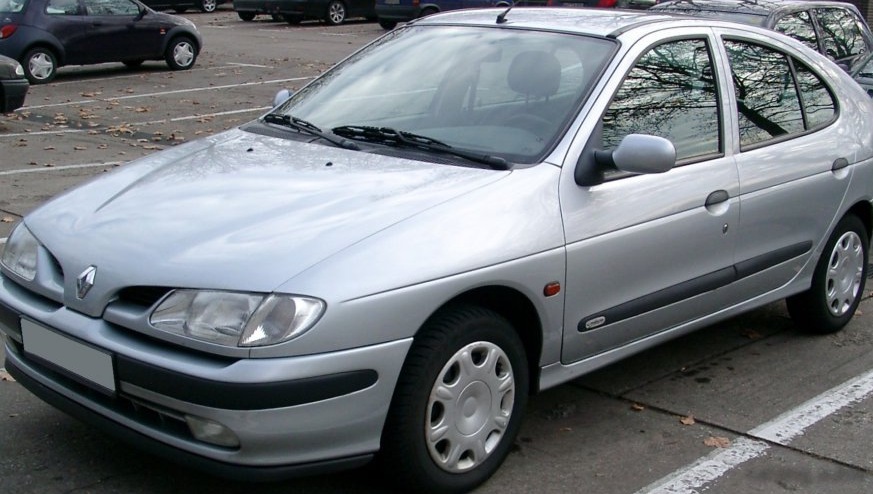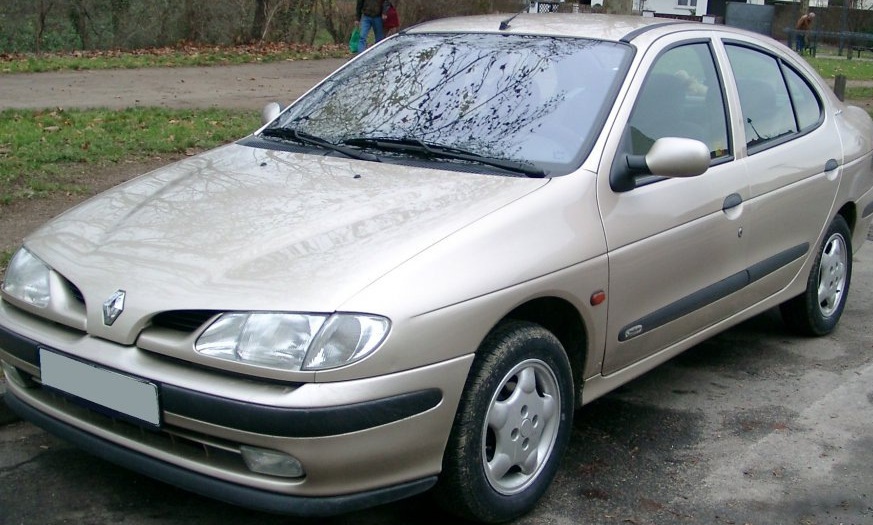
The Renault Megane I Classic (LA) 1.9 D, produced between 1996 and 1999, represented an entry-level offering within the first generation Megane sedan range. Positioned as a fuel-efficient and practical option, it catered to buyers prioritizing economy over outright performance. The “Classic” designation denoted the traditional sedan body style, differentiating it from the hatchback and coupe variants available in the Megane I lineup. This model was built on the Renault 70 series platform, also known internally as the X93, and shared components with other Renault and Peugeot vehicles of the era.
Powertrain & Engine Architecture
The heart of the Megane I Classic 1.9 D is the F8Q engine, a 1.9-liter inline four-cylinder diesel engine. This engine, a mainstay of Renault’s diesel offerings for many years, is characterized by its robust construction and relatively simple design. The F8Q utilizes precombustion chamber injection, a system where fuel is injected into a small pre-chamber within the cylinder head, promoting more complete combustion. This contrasts with direct injection systems that became more prevalent later. The engine produces 64 horsepower (48 kW) at 4500 rpm and 118 Nm (87 lb-ft) of torque at 2250 rpm. The engine’s bore and stroke are 80mm x 93mm, resulting in a displacement of 1870 cc (114.11 cubic inches). It features an overhead camshaft (OHC) valvetrain with two valves per cylinder. The engine oil capacity is 5.5 liters (5.81 US quarts), and the cooling system requires 7.5 liters (7.93 US quarts) of coolant.
Transmission
The 1.9 D variant of the Megane Classic was exclusively offered with a five-speed manual transmission. This transmission was chosen to maximize fuel efficiency and provide a reasonable driving experience given the engine’s modest power output. The gear ratios were optimized for low-speed torque and economy, rather than rapid acceleration. There was no automatic transmission option available for this specific engine and trim level.
Driving Characteristics
The driving experience in the Megane I Classic 1.9 D is best described as utilitarian. Acceleration is slow, taking approximately 16.5 seconds to reach 100 km/h (62 mph) and 15.7 seconds to reach 60 mph. The engine’s torque is available from relatively low revs, making it suitable for everyday driving and carrying loads. However, overtaking maneuvers require careful planning. The five-speed manual transmission allows drivers to keep the engine in its optimal power band, but it doesn’t transform the car into a performance machine. The suspension is tuned for comfort, providing a reasonably smooth ride on most road surfaces. The steering, while hydraulically assisted, lacks the precision and feedback found in more modern vehicles.
Equipment & Trim Levels
The Megane I Classic 1.9 D typically came with a basic level of equipment, reflecting its position as an entry-level model. Standard features generally included power steering, central locking, and a basic audio system. Interior upholstery was typically cloth, and the dashboard featured a functional, if somewhat dated, design. Optional extras, depending on the market, could include air conditioning, electric windows, and upgraded audio systems. Safety features were limited by the standards of the time, typically consisting of a driver’s airbag and seatbelts. The trim level was often simply designated as “L” or “RN,” with minimal cosmetic differences between them.
Chassis & Braking
The Megane I Classic 1.9 D utilizes an independent coil spring suspension at the front, providing a degree of ride comfort and handling competence. The rear suspension employs a torsion beam setup, which is a cost-effective and space-efficient solution. Braking duties are handled by ventilated discs at the front and drum brakes at the rear. Anti-lock Braking System (ABS) was often an optional extra, rather than a standard feature. The car’s curb weight of 1115 kg (2458.15 lbs) contributes to its relatively low fuel consumption but also limits its performance. The tires are typically sized 175/65 R14, mounted on 14-inch steel wheels.
Market Reception & Comparison
The Renault Megane I Classic 1.9 D was generally well-received as a practical and economical family car. Critics praised its fuel efficiency and reliability, but noted its lack of performance and refinement. Compared to other engines in the Megane I range, such as the 1.6-liter gasoline engine or the 2.0-liter 16V engine, the 1.9 D offered significantly lower power output but superior fuel economy. It was also more affordable to purchase and maintain than the higher-specification models. In terms of reliability, the F8Q engine is known to be durable, but it can be prone to issues with the precombustion chambers and fuel injection system if not properly maintained. Compared to competitors like the Peugeot 306 and Citroën Xantia, the Megane I Classic 1.9 D offered a similar level of practicality and economy.
Technical Specifications
| Brand | Renault |
| Model | Megane |
| Generation | Megane I Classic (LA) |
| Type (Engine) | 1.9 D (64 Hp) |
| Start of production | 1996 |
| End of production | 1999 |
| Body type | Sedan |
| Seats | 5 |
| Doors | 4 |
| Fuel consumption (urban) | 8.6 l/100 km (27.4 US mpg) |
| Fuel consumption (extra urban) | 5.3 l/100 km (44.4 US mpg) |
| Fuel consumption (combined) | 6.5 l/100 km (36.2 US mpg) |
| CO2 emissions | 176 g/km |
| Fuel Type | Diesel |
| Acceleration 0 – 100 km/h | 16.5 sec |
| Acceleration 0 – 62 mph | 16.5 sec |
| Acceleration 0 – 60 mph | 15.7 sec |
| Maximum speed | 160 km/h (99.42 mph) |
| Kerb Weight | 1115 kg (2458.15 lbs) |
| Max. weight | 1650 kg (3637.63 lbs) |
| Engine displacement | 1870 cm3 (114.11 cu. in.) |
| Power | 64 Hp @ 4500 rpm |
| Torque | 118 Nm @ 2250 rpm (87.03 lb.-ft. @ 2250 rpm) |
| Engine Model/Code | F8Q |
Legacy
The Renault Megane I Classic 1.9 D, while not a particularly exciting vehicle, proved to be a reliable and economical workhorse for many owners. The F8Q engine, despite its age, is still regarded as a robust and relatively simple unit to maintain. Today, these cars are increasingly rare and are primarily found in the hands of enthusiasts or as affordable transportation in some markets. Parts availability can be a challenge, but many components are still available through specialist suppliers. The 1.9 D variant is often sought after by those looking for a classic diesel car with a reputation for durability and fuel efficiency. Its simple mechanicals make it a relatively easy car to work on for those with some mechanical aptitude, contributing to its continued appeal among a niche group of car enthusiasts.