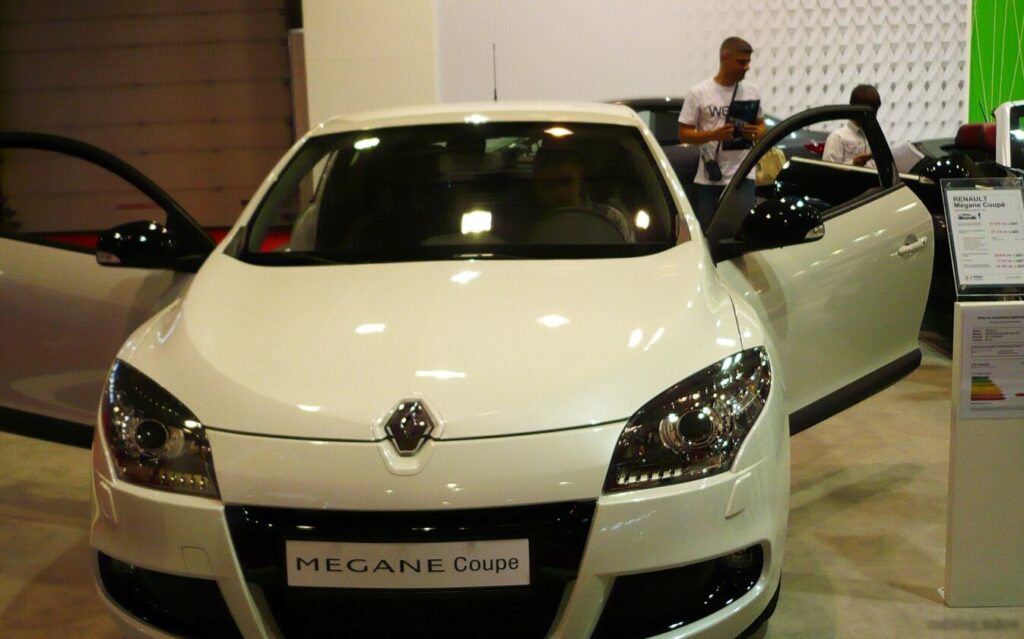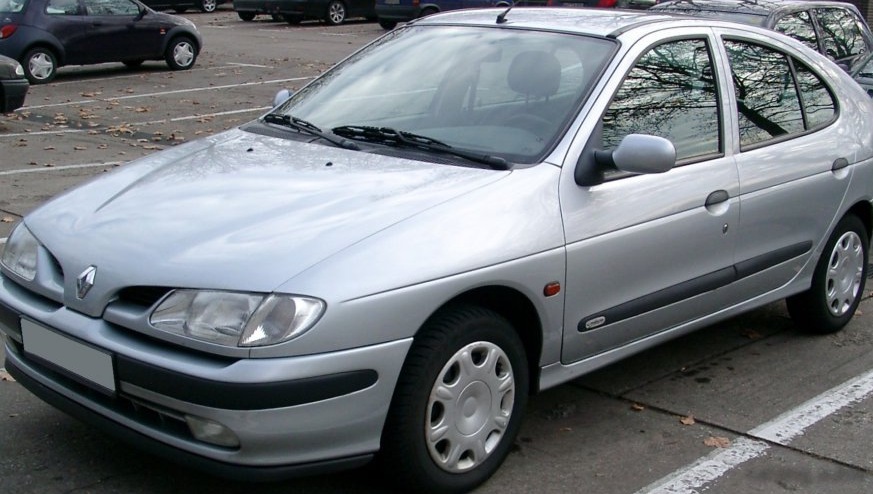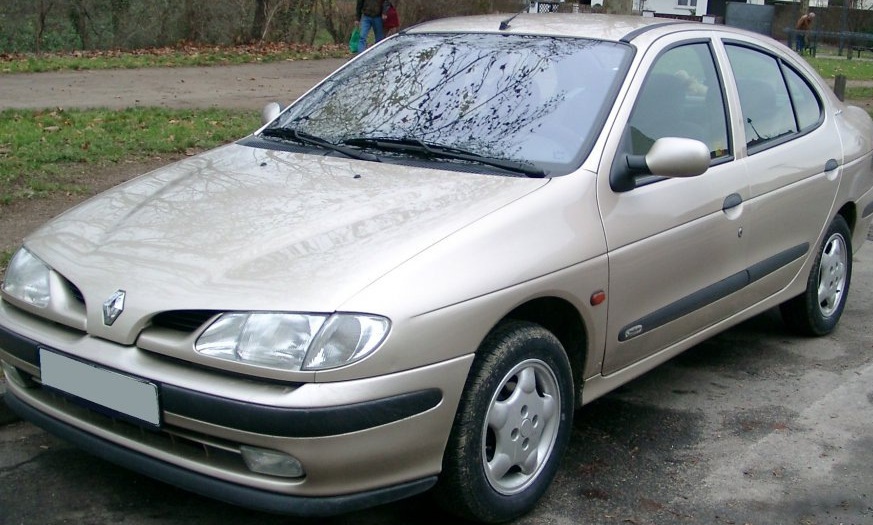
The Renault Megane I Classic (LA) 2.0i, producing 109 horsepower, was a variant of the first-generation Renault Megane sedan produced between 1998 and 1999. Positioned as a mid-range offering within the Megane I Classic lineup, it aimed to provide a balance between performance and affordability. The Megane I Classic, built on the 1HX0/A3 platform, represented Renault’s entry into the competitive compact sedan market, offering a more conventional trunked sedan body style compared to the hatchback versions. This 2.0i model served as a step up from the base 1.4 and 1.6 liter engines, offering more spirited acceleration and highway cruising capability, while remaining more accessible than the later, more powerful engine options.
Powertrain & Engine Architecture
The heart of the Megane I Classic 2.0i is the Renault F3R engine, a 1.998-liter (121.93 cubic inches) inline four-cylinder gasoline engine. This engine utilizes a multi-port fuel injection system, delivering fuel directly into the intake ports just before the intake valves. The F3R engine features an overhead camshaft (OHC) valvetrain with two valves per cylinder. The compression ratio is set at 9.7:1, a common figure for engines of this era designed to balance performance and fuel efficiency. The engine produces 109 hp (81 kW) at 5400 rpm and 168 Nm (124 lb-ft) of torque at 4250 rpm. The engine’s power output per liter is 54.6 hp/l.
While a five-speed manual transmission was standard, the 2.0i engine was also offered with a four-speed automatic transmission. This automatic was a conventional hydraulic control unit, offering smooth but not particularly quick shifts. The automatic transmission was geared towards providing comfortable and convenient driving, rather than maximizing performance. The automatic transmission’s gear ratios were optimized for fuel economy and relaxed cruising, sacrificing some of the responsiveness found in the manual version.
Engine Code Specifics
The F3R engine code designates a specific iteration of Renault’s 2.0-liter engine family. Early versions of the F3R were known for their relative simplicity and durability. The engine block is constructed from cast iron, contributing to its robustness. Regular maintenance, including oil changes with the specified 6-liter (6.34 US qt) capacity and appropriate oil specification, was crucial for long-term reliability. The cooling system requires 7 liters (7.4 US qt) of coolant.
Driving Characteristics
The Renault Megane I Classic 2.0i offered a noticeable improvement in performance compared to the lower-displacement engines. Acceleration from 0 to 100 km/h (0-62 mph) took approximately 9.7 seconds, while 0-60 mph was achieved in around 9.2 seconds. The top speed was rated at 197 km/h (122.41 mph). The 2.0i engine provided sufficient power for comfortable highway cruising and overtaking maneuvers. However, it wasn’t a particularly sporty engine; its focus was on providing usable power across a broad range of engine speeds.
The automatic transmission, while convenient, did detract from the overall driving experience. Gear changes were not as crisp or responsive as those of the manual transmission, and the automatic tended to hunt for gears under hard acceleration. The weight-to-power ratio of 10 kg/hp and weight-to-torque ratio of 6.5 kg/Nm indicated a reasonable, but not exceptional, power-to-weight balance. The front-wheel-drive configuration provided predictable handling, but lacked the dynamic capabilities of more sophisticated all-wheel-drive systems.
Equipment & Trim Levels
The 2.0i trim level of the Megane I Classic typically included features such as power steering, central locking, and electric front windows. Interior upholstery was generally cloth, with options for upgraded materials available. The dashboard layout was functional and straightforward, with clearly labeled controls. Optional extras included air conditioning, a radio/cassette player, and alloy wheels. Safety features were relatively basic for the time, typically including an Anti-lock Braking System (ABS) as standard equipment. The interior offered comfortable seating for five passengers, and the trunk provided a minimum of 510 liters (18.01 cubic feet) of cargo space.
Chassis & Braking
The Megane I Classic 2.0i utilized an independent coil spring suspension at the front, providing a comfortable ride and reasonable handling. The rear suspension employed a torsion beam setup, which was a cost-effective solution for compact sedans. The front brakes were ventilated discs, offering good stopping power, while the rear brakes were drums. The steering system was a rack and pinion type with electric power assistance, providing light and easy steering. The vehicle rode on 185/60 R14 tires mounted on 14-inch steel or alloy wheels. The ride height (ground clearance) was 120 mm (4.72 inches).
Market Reception & Comparison
The Renault Megane I Classic 2.0i was generally well-received by automotive critics as a practical and affordable family sedan. It was praised for its comfortable ride, spacious interior, and reasonable fuel economy. However, some critics noted that the engine lacked the refinement and performance of some of its competitors. Fuel consumption figures were approximately 11.6 l/100 km (20.3 US mpg) in urban driving, 6.5 l/100 km (36.2 US mpg) on the extra-urban cycle, and 8.4 l/100 km (28 US mpg) combined. CO2 emissions were rated at 198 g/km.
Compared to the 1.4 and 1.6 liter versions of the Megane I Classic, the 2.0i offered a significant performance advantage. However, it was also more expensive to purchase and operate. Compared to other compact sedans of the era, such as the Ford Focus and Opel Astra, the Megane I Classic 2.0i offered a competitive level of equipment and performance at a reasonable price point.
Technical Specifications
| Brand | Renault |
| Model | Megane |
| Generation | Megane I Classic (LA) |
| Type (Engine) | 2.0i (109 Hp) |
| Start of production | 1998 |
| End of production | 1999 |
| Powertrain Architecture | Internal Combustion engine |
| Body type | Sedan |
| Seats | 5 |
| Doors | 4 |
| Fuel consumption (urban) | 11.6 l/100 km (20.3 US mpg) |
| Fuel consumption (extra urban) | 6.5 l/100 km (36.2 US mpg) |
| Fuel consumption (combined) | 8.4 l/100 km (28 US mpg) |
| CO2 emissions | 198 g/km |
| Fuel Type | Petrol (Gasoline) |
| Acceleration 0 – 100 km/h | 9.7 sec |
| Acceleration 0 – 62 mph | 9.7 sec |
| Acceleration 0 – 60 mph | 9.2 sec |
| Maximum speed | 197 km/h (122.41 mph) |
| Weight-to-power ratio | 10 kg/Hp |
| Weight-to-torque ratio | 6.5 kg/Nm |
| Power | 109 Hp @ 5400 rpm |
| Torque | 168 Nm @ 4250 rpm (123.91 lb.-ft. @ 4250 rpm) |
| Engine layout | Front, Transverse |
| Engine Model/Code | F3R |
| Engine displacement | 1998 cm3 (121.93 cu. in.) |
| Number of cylinders | 4 |
| Engine configuration | Inline |
| Cylinder Bore | 82.7 mm (3.26 in.) |
| Piston Stroke | 93 mm (3.66 in.) |
| Compression ratio | 9.7:1 |
| Number of valves per cylinder | 2 |
| Fuel injection system | Multi-port manifold injection |
| Engine aspiration | Naturally aspirated |
| Valvetrain | OHC |
| Engine oil capacity | 6 l (6.34 US qt | 5.28 UK qt) |
| Coolant capacity | 7 l (7.4 US qt | 6.16 UK qt) |
| Kerb Weight | 1090 kg (2403.04 lbs.) |
| Max. weight | 1635 kg (3604.56 lbs.) |
| Max load | 545 kg (1201.52 lbs.) |
| Trunk (boot) space (minimum) | 510 l (18.01 cu. ft.) |
| Fuel tank capacity | 60 l (15.85 US gal | 13.2 UK gal) |
| Length | 4440 mm (174.8 in.) |
| Width | 1699 mm (66.89 in.) |
| Height | 1420 mm (55.91 in.) |
| Wheelbase | 2580 mm (101.57 in.) |
| Drivetrain Architecture | Front wheel drive |
| Number of gears and type of gearbox | 5 gears, manual transmission |
| Front suspension | Independent coil spring |
| Front brakes | Ventilated discs |
| Rear brakes | Drum |
| Assisting systems | ABS (Anti-lock braking system) |
| Steering type | Steering rack and pinion |
| Power steering | Electric |
| Tires size | 185/60 R14 |
Legacy
The Renault Megane I Classic 2.0i, while not a particularly rare or collectible vehicle, remains a reasonably popular choice in the used car market, particularly in regions where affordability and practicality are prioritized. The F3R engine, when properly maintained, is known for its durability and longevity. However, potential buyers should be aware of common issues such as oil leaks and wear in the cooling system. The availability of spare parts is generally good, and the relatively simple mechanical design makes it accessible for DIY repairs. The 2.0i variant offers a good balance of performance and reliability, making it a viable option for those seeking a classic European sedan.