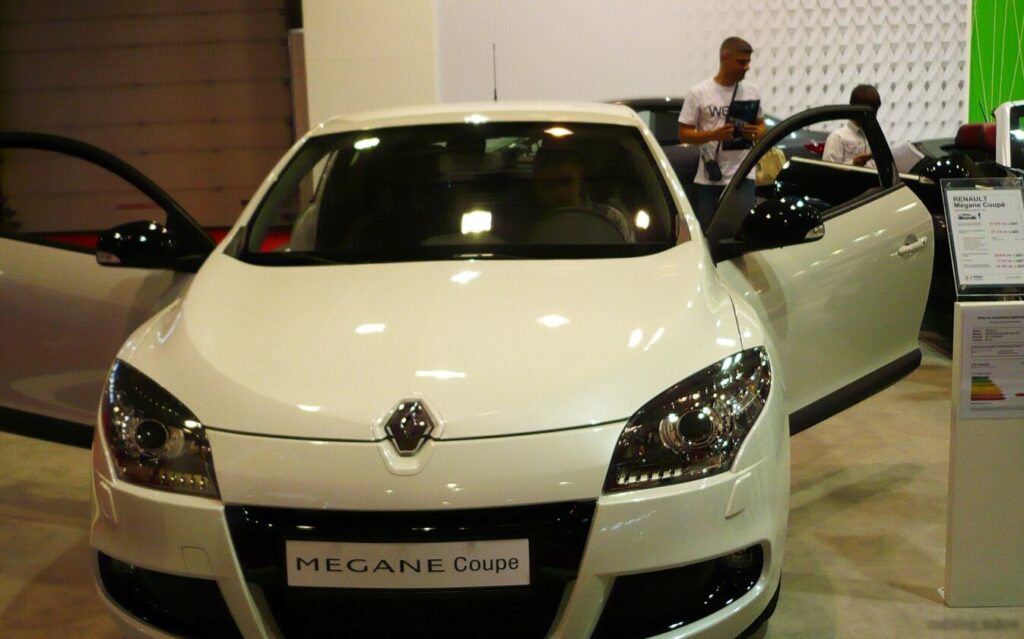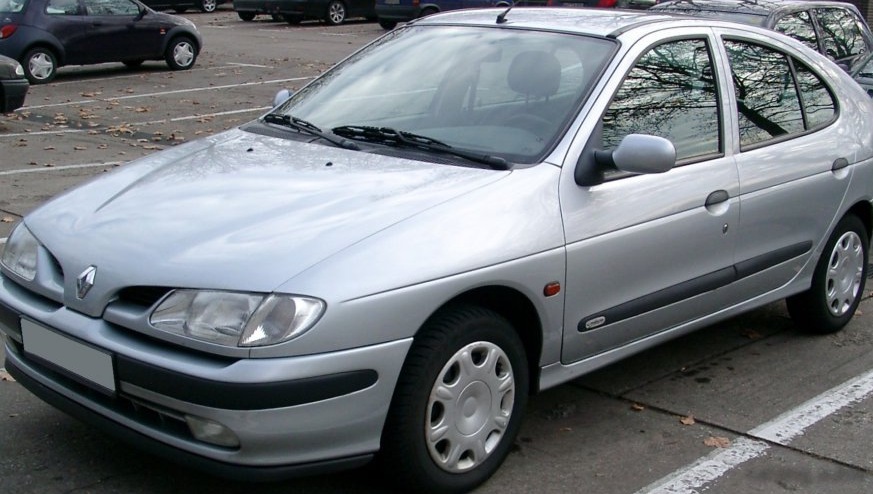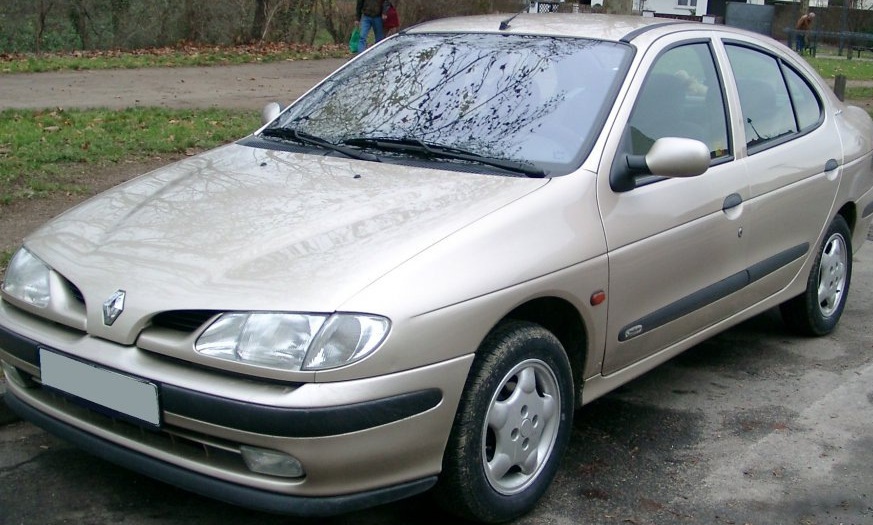
The Renault Megane I Classic (LA) 2.0i, producing 114 horsepower, was a variant of the first-generation Renault Megane sedan offered primarily during the 1998 model year. Positioned as a mid-range offering within the Megane Classic lineup, it bridged the gap between the more economical 1.4 and 1.6-liter engines and the performance-oriented models. Built on the 1HX0/A3 platform, the 2.0i aimed to provide a balance of performance and practicality for buyers seeking a comfortable and reasonably powerful compact sedan.
Powertrain & Engine Architecture
The heart of the Megane I Classic 2.0i is the Renault F3R engine, a 1.998-liter (121.93 cubic inches) inline-four cylinder gasoline engine. This engine utilizes a multi-port fuel injection system, delivering fuel directly into the intake ports just before the intake valves. The F3R engine features an overhead camshaft (OHC) valvetrain with two valves per cylinder. The compression ratio is set at 9.7:1, a common figure for engines of this era designed to balance performance and fuel efficiency. Engine oil capacity is 6 liters (6.34 US quarts / 5.28 UK quarts), and the recommended coolant capacity is 7 liters (7.4 US quarts / 6.16 UK quarts).
Transmission
While a five-speed manual transmission was standard, the 2.0i was also offered with an optional four-speed automatic transmission. This automatic was a conventional hydraulic unit, offering smooth but not particularly quick shifts. The automatic transmission was a popular choice for buyers prioritizing ease of use over outright performance. The gear ratios were designed to provide adequate acceleration while maintaining reasonable fuel economy at highway speeds.
Driving Characteristics
The 2.0i engine delivered a noticeable step up in performance compared to the lower-displacement engines available in the Megane Classic range. Acceleration from 0 to 100 km/h (0-62 mph) took approximately 9.7 seconds, and 0 to 60 mph was achieved in around 9.2 seconds. Maximum speed was rated at 197 km/h (122.41 mph). The engine produced 168 Nm (123.91 lb-ft) of torque at 4250 rpm, providing sufficient power for everyday driving and overtaking maneuvers. The automatic transmission, while convenient, did slightly diminish acceleration times compared to the manual version. The power delivery was relatively linear, making the car predictable and easy to drive. Compared to the manual transmission, the automatic version felt less engaging but more relaxed on longer journeys.
Equipment & Trim Levels
The Megane I Classic 2.0i typically came equipped with features considered standard for a mid-range sedan in the late 1990s. These included power steering, central locking, electric front windows, and an AM/FM radio. Interior upholstery was typically cloth, with a relatively simple dashboard layout. Optional extras included air conditioning, alloy wheels, and a sunroof. Higher trim levels might have added features like a trip computer and upgraded audio systems. The overall interior design prioritized functionality and durability over luxury.
Chassis & Braking
The Megane I Classic 2.0i utilized an independent coil spring suspension at the front, providing a comfortable ride and decent handling. The rear suspension employed a torsion beam setup, a cost-effective solution common in vehicles of this class. Braking consisted of ventilated discs at the front and drum brakes at the rear. An Anti-lock Braking System (ABS) was included as a standard safety feature. The steering system was a rack and pinion type with hydraulic power assistance, offering precise steering feel. The standard tire size was 175/60 R14, mounted on 14-inch steel or alloy wheels.
Market Reception & Comparison
The Renault Megane I Classic 2.0i was generally well-received by automotive critics as a competent and practical family sedan. It offered a good balance of performance, fuel economy, and comfort. Compared to the 1.4 and 1.6-liter versions, the 2.0i provided a more enjoyable driving experience, particularly when equipped with the manual transmission. Fuel consumption was rated at 11.6 l/100 km (20.3 US mpg / 24.4 UK mpg) in urban conditions, 6.5 l/100 km (36.2 US mpg / 43.5 UK mpg) on the extra-urban cycle, and 8.4 l/100 km (28 US mpg / 33.6 UK mpg) combined. CO2 emissions were 198 g/km. While not as sporty as some of its competitors, the Megane 2.0i offered a compelling package for buyers seeking a reliable and affordable sedan.
Technical Specifications
| Brand | Renault |
| Model | Megane |
| Generation | Megane I Classic (LA) |
| Type (Engine) | 2.0i (114 Hp) |
| Start of production | 1998 |
| End of production | 1998 |
| Body type | Sedan |
| Seats | 5 |
| Doors | 4 |
| Fuel consumption (urban) | 11.6 l/100 km (20.3 US mpg / 24.4 UK mpg) |
| Fuel consumption (extra urban) | 6.5 l/100 km (36.2 US mpg / 43.5 UK mpg) |
| Fuel consumption (combined) | 8.4 l/100 km (28 US mpg / 33.6 UK mpg) |
| CO2 emissions | 198 g/km |
| Fuel Type | Petrol (Gasoline) |
| Acceleration 0 – 100 km/h | 9.7 sec |
| Acceleration 0 – 62 mph | 9.7 sec |
| Acceleration 0 – 60 mph | 9.2 sec |
| Maximum speed | 197 km/h (122.41 mph) |
| Weight-to-power ratio | 10.4 kg/Hp |
| Power | 114 Hp @ 5400 rpm |
| Torque | 168 Nm @ 4250 rpm (123.91 lb.-ft. @ 4250 rpm) |
| Engine layout | Front, Transverse |
| Engine Model/Code | F3R |
| Engine displacement | 1998 cm3 (121.93 cu. in.) |
| Number of cylinders | 4 |
| Engine configuration | Inline |
| Cylinder Bore | 82.7 mm (3.26 in.) |
| Piston Stroke | 93 mm (3.66 in.) |
| Compression ratio | 9.7:1 |
| Number of valves per cylinder | 2 |
| Fuel injection system | Multi-port manifold injection |
| Engine oil capacity | 6 l (6.34 US qt | 5.28 UK qt) |
| Coolant capacity | 7 l (7.4 US qt | 6.16 UK qt) |
| Kerb Weight | 1180 kg (2601.45 lbs.) |
| Max. weight | 1675 kg (3692.74 lbs.) |
| Max load | 495 kg (1091.29 lbs.) |
| Trunk (boot) space (minimum) | 510 l (18.01 cu. ft.) |
| Fuel tank capacity | 60 l (15.85 US gal | 13.2 UK gal) |
| Length | 4440 mm (174.8 in.) |
| Width | 1699 mm (66.89 in.) |
| Height | 1420 mm (55.91 in.) |
| Wheelbase | 2580 mm (101.57 in.) |
Legacy
The Renault Megane I Classic 2.0i, while not known for any particular outstanding reliability issues, is generally considered a durable vehicle when properly maintained. The F3R engine is relatively robust, although age and mileage can lead to common issues such as oil leaks and sensor failures. The automatic transmission, if not serviced regularly, can experience wear and tear. Today, these cars are relatively rare and are primarily found in the hands of enthusiasts or as affordable transportation. Parts availability can be a challenge, but many components are still available through aftermarket suppliers. The 2.0i variant remains a desirable option for those seeking a slightly more refined and powerful version of the first-generation Megane Classic.