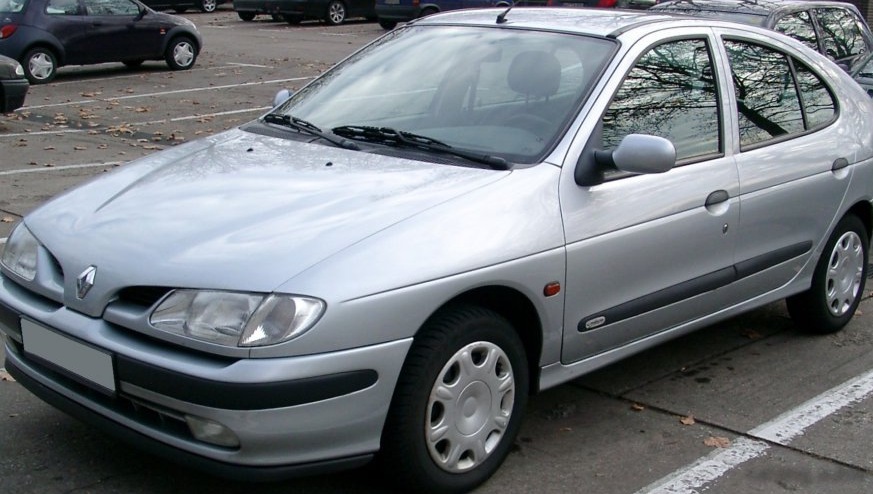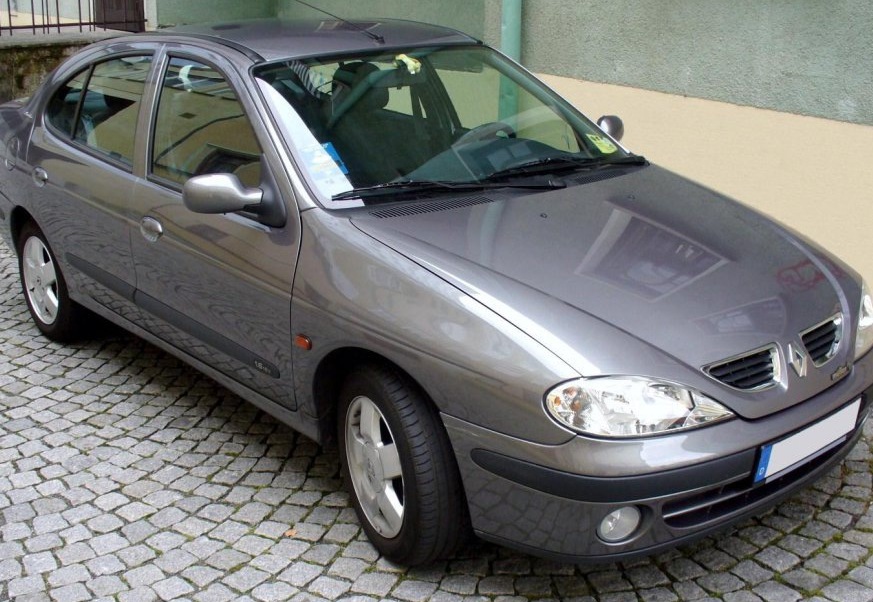
The Renault Megane I Classic 1.4i 16V (95 hp) was a popular variant of the first-generation Megane, produced between 1999 and 2002 as part of the Phase II refresh of the model. Positioned as an entry-level to mid-range offering within the Megane Classic sedan lineup, it provided a balance of affordability, fuel efficiency, and practicality for family buyers. The Megane I series (1995-2003) represented Renault’s entry into the competitive compact family car segment, built on the shared 1HX0/A3 platform also used by the Nissan Almera and other Renault models. The Classic designation specifically denoted the four-door sedan body style, differentiating it from the hatchback and coupe versions.
Powertrain & Engine Architecture
The heart of the Megane I Classic 1.4i 16V was the Renault K4J engine, a 1390cc (84.82 cubic inches) inline-four cylinder gasoline engine. This engine was a mainstay in Renault’s lineup during the late 1990s and early 2000s, known for its relative simplicity and durability. The “16V” designation indicates the engine featured a dual overhead camshaft (DOHC) valvetrain, operating four valves per cylinder. This configuration enhanced breathing and contributed to the engine’s respectable power output for its displacement.
Fuel delivery was managed by a multi-port fuel injection system, providing precise fuel metering for optimal combustion. The engine boasted a compression ratio of 10:1. The K4J engine produced 95 horsepower (hp) at 6000 rpm and 127 Newton-meters (93.67 lb-ft) of torque at 3750 rpm. This particular variant was almost exclusively paired with a five-speed automatic transmission, although a five-speed manual transmission was also available in some markets. The automatic transmission was a conventional hydraulic automatic, offering smooth, if not particularly sporty, gear changes. It was chosen to appeal to buyers prioritizing ease of use over outright performance.
Automatic Transmission Details
The automatic transmission used in the Megane I Classic 1.4i 16V was a four-speed unit. While providing convenience, it did impact acceleration and fuel economy compared to the manual transmission option. The gear ratios were optimized for everyday driving, prioritizing fuel efficiency and comfortable cruising. The transmission lacked any manual shift mode or sport settings, focusing solely on automatic operation. The transmission’s reliability was generally good, but regular fluid changes were crucial for maintaining optimal performance and preventing premature wear.
Driving Characteristics
The 1.4i 16V automatic Megane Classic offered a comfortable, but not particularly exhilarating, driving experience. Acceleration from 0 to 62 mph (0-100 km/h) took approximately 11.9 seconds, and it reached a top speed of 189 km/h (117.44 mph). The automatic transmission contributed to a noticeable difference in performance compared to the manual version, resulting in slightly slower acceleration times. The engine felt relatively strained when pushed hard, particularly when overtaking or climbing hills. However, for typical urban and highway driving, the power was adequate.
The steering was light and easy, making maneuvering in tight spaces simple. The suspension provided a comfortable ride, absorbing bumps and imperfections in the road surface reasonably well. However, the handling was not particularly sharp, with noticeable body roll in corners. The overall driving experience was geared towards practicality and comfort rather than sporty dynamics.
Equipment & Trim Levels
The Megane I Classic 1.4i 16V typically came equipped with a reasonable level of standard features. These generally included power steering, central locking, electric front windows, and an adjustable steering column. Interior upholstery was typically cloth, with a relatively simple dashboard layout. Air conditioning was often an optional extra, as were features like alloy wheels, a radio/cassette player, and rear electric windows.
Trim levels varied depending on the market, but generally, the 1.4i 16V automatic sat in the middle of the range. Higher trim levels, often featuring larger engines like the 1.6L or 2.0L, offered more luxurious appointments, such as leather upholstery, upgraded audio systems, and additional safety features.
Chassis & Braking
The Megane I Classic 1.4i 16V featured an independent coil spring suspension at the front, providing a comfortable ride and reasonable handling. The rear suspension utilized a torsion beam setup, which was a cost-effective solution that offered adequate stability. The front brakes were ventilated discs, providing good stopping power, while the rear brakes were drums. This combination was typical for vehicles in this class at the time.
Anti-lock Braking System (ABS) was often included as standard equipment, enhancing safety by preventing wheel lockup during hard braking. The steering system employed a rack and pinion setup with hydraulic power assistance, providing light and precise steering control. The vehicle rode on 175/65 R14 tires, mounted on 5.5J x 14 inch steel or alloy wheels.
Market Reception & Comparison
The Renault Megane I Classic 1.4i 16V was generally well-received by critics as a practical and affordable family sedan. It was praised for its fuel efficiency, comfortable ride, and reasonable level of equipment. However, it was also criticized for its lack of performance, particularly with the automatic transmission. Compared to the higher-output versions of the Megane, such as the 1.6L or 2.0L models, the 1.4i 16V felt underpowered. The 1.9 TDI diesel variant offered significantly better fuel economy and torque, but at a higher purchase price.
Fuel economy figures were respectable for the time, with combined fuel consumption averaging around 6.6 l/100 km (35.6 US mpg). Reliability was generally good, although some owners reported issues with the automatic transmission over the long term. The 1.4i 16V offered a compelling value proposition for buyers seeking a reliable and economical family car.
Technical Specifications
| Brand | Renault |
| Model | Megane Classic |
| Generation | Megane I Classic (Phase II, 1999) |
| Engine Type | 1.4i 16V (95 Hp) |
| Production Years | 1999-2002 |
| Body Type | Sedan |
| Seats | 5 |
| Doors | 4 |
| Fuel Consumption (Urban) | 9.2 l/100 km (25.6 US mpg) |
| Fuel Consumption (Extra Urban) | 5.2 l/100 km (45.2 US mpg) |
| Fuel Consumption (Combined) | 6.6 l/100 km (35.6 US mpg) |
| CO2 Emissions | 156 g/km |
| Fuel Type | Petrol (Gasoline) |
| Acceleration 0-100 km/h | 11.9 sec |
| Acceleration 0-62 mph | 11.9 sec |
| Maximum Speed | 189 km/h (117.44 mph) |
| Engine Displacement | 1390 cm3 (84.82 cu. in.) |
| Engine Power | 95 Hp @ 6000 rpm |
| Engine Torque | 127 Nm @ 3750 rpm (93.67 lb.-ft. @ 3750 rpm) |
| Engine Code | K4J |
| Kerb Weight | 1080 kg (2380.99 lbs.) |
| Trunk Space (Minimum) | 510 l (18.01 cu. ft.) |
| Trunk Space (Maximum) | 1310 l (46.26 cu. ft.) |
| Fuel Tank Capacity | 60 l (15.85 US gal) |
Legacy
The Renault Megane I Classic 1.4i 16V, while not the most powerful or dynamic version of the Megane, remains a relatively common sight on used car markets today. The K4J engine is known for its durability, and with proper maintenance, can provide many years of reliable service. The automatic transmission, however, is a potential weak point, and prospective buyers should carefully inspect its operation. The car’s affordability and practicality continue to make it an attractive option for budget-conscious buyers seeking a simple and reliable family sedan. Its status as a representative of Renault’s early foray into the modern compact car segment ensures its continued recognition among automotive enthusiasts.