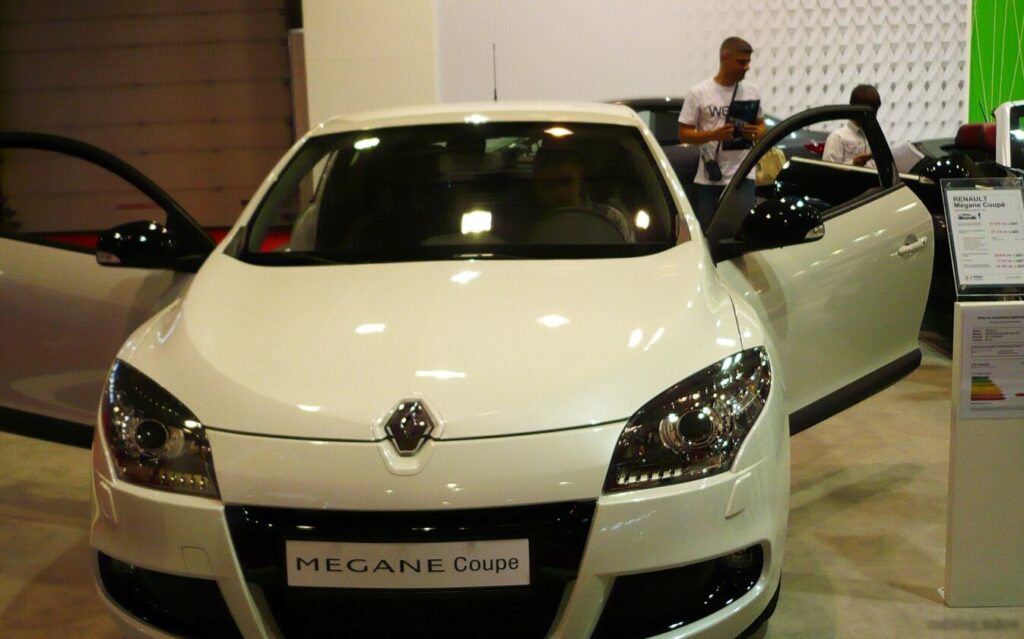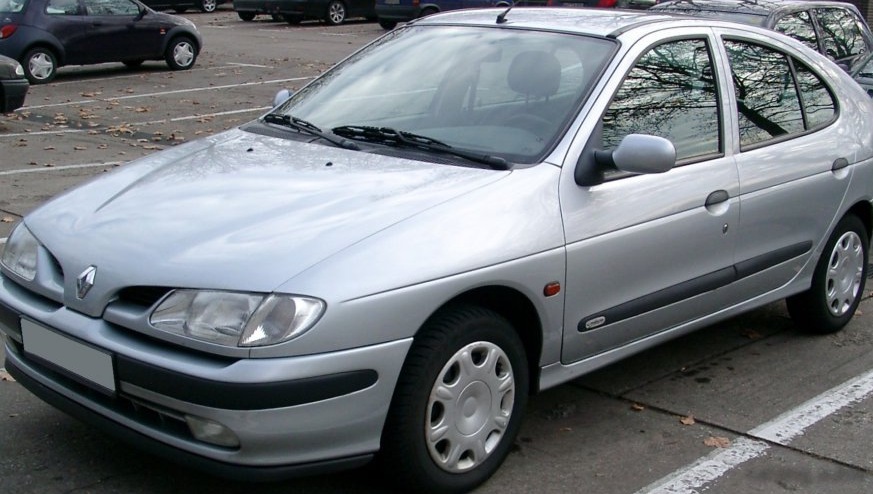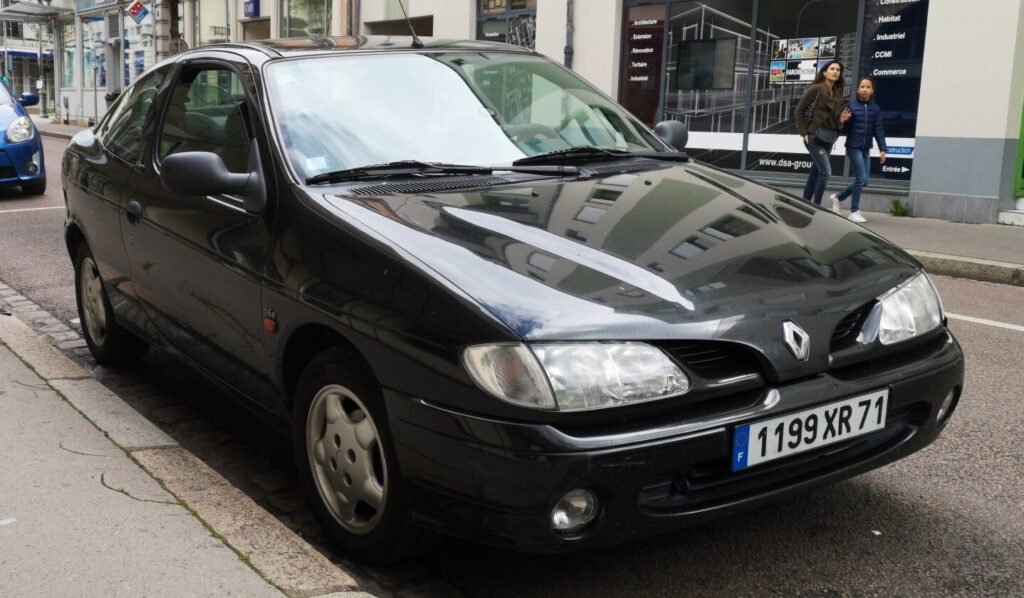
The Renault Megane I Coach (DA) 1.6i 90 hp, produced between 1996 and 1999, represented an entry-level offering within the first generation Megane hatchback and coupe range. Positioned as a more affordable and economical option, it catered to buyers prioritizing fuel efficiency and practicality over outright performance. This variant was part of the broader 1HX0/A3 platform shared with the Nissan Almera, and offered a two-door coupe body style, seating four passengers. It served as a key model in establishing the Megane as a competitive player in the European compact car market.
Powertrain & Engine Architecture
The heart of the Megane 1.6i 90 hp was the Renault K7M engine, a 1.6-liter inline-four cylinder gasoline engine. This engine was a mainstay in Renault’s lineup during the 1990s, known for its relative simplicity and durability. The K7M featured a naturally aspirated configuration, meaning it did not employ forced induction like a turbocharger or supercharger. It utilized a multi-port fuel injection system, delivering fuel directly into the intake ports just before the intake valves. This system, while not as advanced as direct injection, provided a good balance of efficiency and performance for its time.
The engine’s valvetrain consisted of a double overhead camshaft (DOHC) design with two valves per cylinder. This configuration allowed for improved breathing and higher engine speeds compared to older single overhead cam (SOHC) designs. The compression ratio was set at 9.5:1, a typical value for gasoline engines of this era. The engine produced a maximum power output of 90 horsepower (hp) at 5250 rpm and 131 Newton-meters (96.62 lb-ft) of torque at 2500 rpm. The engine’s displacement was 1598 cm³ (97.52 cubic inches).
Paired with the K7M engine was a five-speed manual transmission. While an automatic transmission was offered on other Megane variants, the 90 hp engine was exclusively paired with the manual gearbox. This was likely due to the automatic transmission’s impact on fuel economy and performance, which would have been more noticeable with the lower-powered engine. The transmission sent power to the front wheels, making it a front-wheel-drive vehicle.
Engine Code Specifics
The K7M engine code is significant as it denotes a specific iteration of the 1.6-liter engine. Variations within the K7M family existed, but the version used in the Megane 1.6i 90 hp was optimized for fuel efficiency and smooth operation rather than peak power. Regular maintenance, including oil changes with the specified 4-liter capacity (4.23 US qt / 3.52 UK qt) and coolant replacement (6 liters / 6.34 US qt / 5.28 UK qt), were crucial for ensuring the engine’s longevity.
Driving Characteristics
The Renault Megane 1.6i 90 hp offered a modest driving experience. Acceleration from 0 to 100 km/h (0-62 mph) took approximately 13.5 seconds, and 0 to 60 mph was achieved in around 12.8 seconds. The top speed was rated at 173 km/h (107.5 mph). While these figures weren’t particularly impressive, they were adequate for everyday driving and commuting. The engine’s torque peak at 2500 rpm provided reasonable responsiveness in typical driving situations, but overtaking maneuvers required careful planning.
Compared to higher-output Megane variants, such as those equipped with the 2.0-liter 16V engine or the diesel options, the 1.6i 90 hp felt noticeably slower. The manual transmission, while providing driver engagement, required frequent shifting to maintain momentum, especially when climbing hills or carrying a full load. The gear ratios were geared towards fuel economy, rather than maximizing acceleration. However, the lighter weight of the 1.6i model (1010 kg / 2226.67 lbs) helped to mitigate some of the performance deficit.
Equipment & Trim Levels
The Megane 1.6i 90 hp typically came with a relatively basic level of equipment, reflecting its position as an entry-level model. Standard features generally included power steering, central locking, and a basic audio system. Interior upholstery was typically cloth, and the dashboard featured a functional, if somewhat spartan, design. Air conditioning was often an optional extra, as were features like electric windows and alloy wheels.
Trim levels varied depending on the market, but generally, the 1.6i 90 hp was offered in a single, relatively standardized specification. Optional extras allowed buyers to personalize their vehicles to some extent, but the focus remained on providing an affordable and practical transportation solution. Safety features were limited by the standards of the time, typically including only an anti-lock braking system (ABS) as a key safety component.
Chassis & Braking
The Megane 1.6i 90 hp utilized an independent coil spring suspension at the front, providing a reasonable level of ride comfort and handling. The rear suspension employed a torsion beam setup, which was a cost-effective solution commonly used in compact cars of this era. The front brakes were ventilated discs, offering good stopping power, while the rear brakes were drum brakes, a common practice for reducing production costs in this segment.
The steering system was a rack and pinion type with hydraulic power assistance, providing a relatively light and responsive steering feel. Tire size was typically 175/65 R14, mounted on 14-inch steel wheels. The chassis was designed to provide a balance of comfort and handling, but it wasn’t particularly sporty or refined. The curb weight of 1010 kg (2226.67 lbs) contributed to the car’s relatively nimble handling characteristics.
Market Reception & Comparison
The Renault Megane 1.6i 90 hp was generally well-received as a practical and affordable compact car. Critics praised its fuel economy, with combined fuel consumption figures of around 7 l/100 km (33.6 US mpg / 40.4 UK mpg), and its relatively low running costs. However, it was often criticized for its lack of performance and its somewhat basic interior. Compared to other trims in the Megane lineup, such as the 2.0-liter 16V, the 1.6i 90 hp offered significantly less power and refinement, but at a lower price point.
In terms of reliability, the K7M engine was generally considered to be a durable and dependable unit, provided it was properly maintained. However, like all cars of this era, it was susceptible to age-related issues such as corrosion and wear and tear on suspension components. Compared to competitors like the Volkswagen Golf and Ford Focus, the Megane 1.6i 90 hp offered a competitive package in terms of price, fuel economy, and practicality.
Technical Specifications
| Brand | Renault |
| Model | Megane |
| Generation | Megane I Coach (DA) |
| Type (Engine) | 1.6i (90 Hp) |
| Start of production | 1996 |
| End of production | 1999 |
| Engine Model/Code | K7M |
| Engine displacement | 1598 cm3 (97.52 cu. in.) |
| Number of cylinders | 4 |
| Power | 90 Hp @ 5250 rpm |
| Torque | 131 Nm @ 2500 rpm (96.62 lb.-ft. @ 2500 rpm) |
| Fuel consumption (urban) | 9.4 l/100 km (25 US mpg / 30.1 UK mpg) |
| Fuel consumption (extra urban) | 5.6 l/100 km (42 US mpg / 50.4 UK mpg) |
| Fuel consumption (combined) | 7 l/100 km (33.6 US mpg / 40.4 UK mpg) |
| CO2 emissions | 168 g/km |
| Acceleration 0-100 km/h | 13.5 sec |
| Maximum speed | 173 km/h (107.5 mph) |
| Kerb Weight | 1010 kg (2226.67 lbs) |
| Fuel tank capacity | 60 l (15.85 US gal / 13.2 UK gal) |
| Trunk (boot) space (minimum) | 288 l (10.17 cu. ft.) |
| Transmission | 5-speed manual |
Legacy
The Renault Megane I 1.6i 90 hp, while not the most powerful or refined version of the first-generation Megane, remains a relatively common sight on European roads today. Its simple engine design and robust construction contribute to its longevity. In the used car market, these models are typically very affordable, making them attractive to budget-conscious buyers. However, potential buyers should be aware of the potential for age-related issues, such as corrosion and wear and tear on suspension components. The K7M engine, when properly maintained, can provide reliable service for many years, making the Megane 1.6i 90 hp a viable option for those seeking a practical and economical classic car.