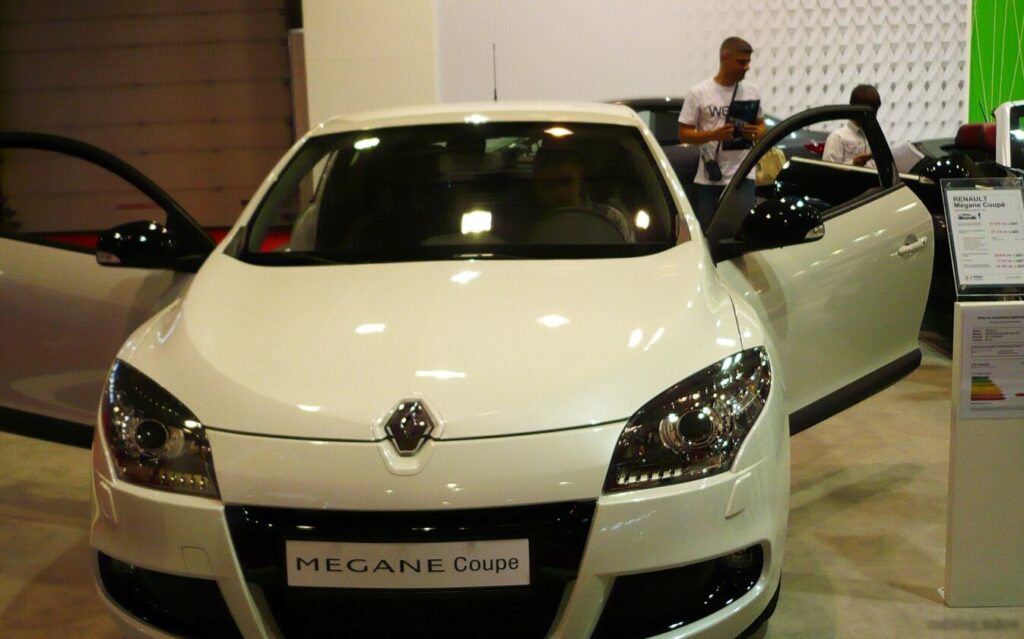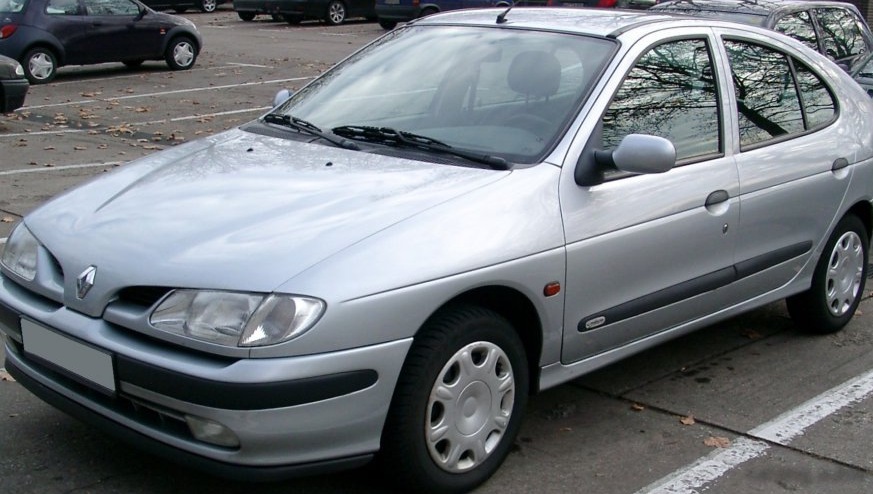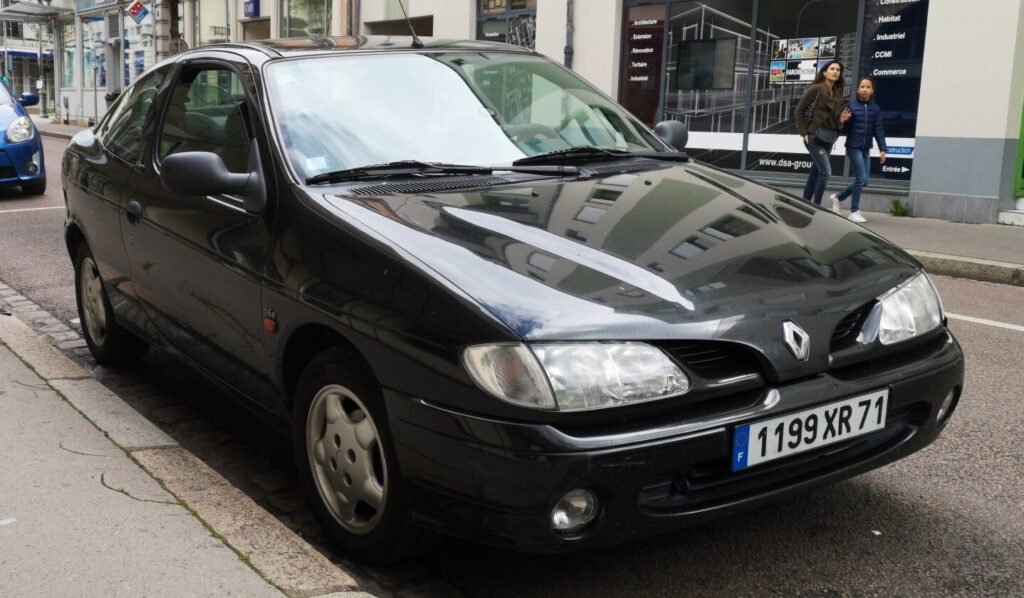
The Renault Megane I Coach (DA) 2.0i, producing 109 horsepower, was a coupe variant of the first-generation Megane, manufactured between 1998 and 1999. Positioned as a more sporting alternative within the Megane I range, it offered a step up in performance compared to the base 1.4 and 1.6-liter models, while remaining more accessible than the later, more focused Renaultsport models. The DA chassis code designates the coupe body style, differentiating it from the hatchback and saloon versions of the Megane I. This model played a role in establishing the Megane as a competitive offering in the European compact car market.
Powertrain & Engine Architecture
The heart of the Megane I 2.0i is the Renault F3R engine, a 1.998-liter (121.93 cubic inches) inline-four cylinder gasoline engine. This engine utilizes a naturally aspirated configuration and a multi-port fuel injection system. The F3R engine is known for its relatively simple design and robust construction. It features a double overhead camshaft (DOHC) valvetrain with two valves per cylinder. The compression ratio is set at 9.8:1. Engine oil capacity is 6 liters (6.34 US quarts or 5.28 UK quarts), and the recommended coolant capacity is 7 liters (7.4 US quarts or 6.16 UK quarts).
The 2.0i was exclusively offered with a five-speed manual transmission during its limited production run. This transmission was chosen to complement the engine’s power output and provide a more engaging driving experience, aligning with the coupe’s sporting intentions. The gearbox is a standard front-wheel-drive configuration, transmitting power to the front wheels.
Engine Specifications
The F3R engine in the Megane I 2.0i produces a maximum power output of 109 hp (81 kW) at 5400 rpm, and a peak torque of 168 Nm (123.91 lb-ft) at 4250 rpm. This translates to a power-to-liter ratio of 54.6 hp/liter. The engine’s characteristics prioritize usable torque in the mid-range, making it suitable for everyday driving conditions.
Driving Characteristics
The Renault Megane I 2.0i Coupe offered a noticeable improvement in performance compared to the lower-displacement engines available in the Megane I range. Acceleration from 0 to 100 km/h (0-62 mph) was achieved in approximately 9.5 seconds, while 0-60 mph took around 9 seconds. The top speed was recorded at 200 km/h (124.27 mph). The five-speed manual transmission allowed drivers to effectively utilize the engine’s powerband, providing responsive acceleration and decent in-gear performance.
Compared to a potential future Renaultsport version, the 2.0i offered a more refined and comfortable driving experience. While lacking the ultimate performance of a dedicated hot hatch, it provided a good balance between sportiness and practicality. The weight-to-power ratio of 9.6 kg/hp and a weight-to-torque ratio of 6.2 kg/Nm contributed to its respectable performance.
Equipment & Trim Levels
The Megane I 2.0i Coupe was generally well-equipped for its time, though specific features varied depending on the market and optional extras selected. Standard equipment typically included power steering, ABS (Anti-lock Braking System), and a basic audio system. Interior upholstery was typically cloth, with a functional and straightforward dashboard layout. Options available included air conditioning, electric windows, and a sunroof. The coupe’s interior, while not luxurious, was designed with practicality and driver comfort in mind.
Chassis & Braking
The Megane I 2.0i Coupe utilized an independent coil spring suspension at the front, providing a comfortable ride and decent handling characteristics. The rear suspension was a semi-independent coil spring setup. The front brakes were ventilated discs, offering good stopping power, while the rear brakes were drum brakes. This combination was adequate for the vehicle’s weight and performance capabilities. The steering system was a rack and pinion type with hydraulic power assistance, providing precise and responsive steering feel. The vehicle was equipped with 185/60 R14 tires mounted on 14-inch wheel rims.
Market Reception & Comparison
The Renault Megane I 2.0i Coupe was generally well-received by automotive critics as a competent and stylish coupe. It was praised for its improved performance compared to the lower-displacement models, as well as its comfortable ride and decent handling. However, some critics noted that it lacked the outright performance and refinement of more expensive competitors. Fuel economy was rated at 8.4 l/100 km (28 US mpg or 33.6 UK mpg) combined, which was typical for a 2.0-liter gasoline engine of that era. CO2 emissions were 198 g/km.
Compared to other trims in the Megane I lineup, the 2.0i offered a significant performance advantage over the 1.4 and 1.6-liter models. It provided a more engaging driving experience and was better suited for longer journeys. However, it was more expensive to purchase and operate than the lower-displacement models. Reliability was generally good, with the F3R engine proving to be a durable and dependable unit.
Technical Specifications
| Brand | Renault |
| Model | Megane |
| Generation | Megane I Coach (DA) |
| Type (Engine) | 2.0i (109 Hp) |
| Start of production | 1998 |
| End of production | 1999 |
| Body type | Coupe |
| Seats | 4 |
| Doors | 2 |
| Fuel consumption (urban) | 11.3 l/100 km (20.8 US mpg, 25 UK mpg) |
| Fuel consumption (extra urban) | 6.5 l/100 km (36.2 US mpg, 43.5 UK mpg) |
| Fuel consumption (combined) | 8.4 l/100 km (28 US mpg, 33.6 UK mpg) |
| CO2 emissions | 198 g/km |
| Fuel Type | Petrol (Gasoline) |
| Acceleration 0 – 100 km/h | 9.5 sec |
| Acceleration 0 – 62 mph | 9.5 sec |
| Acceleration 0 – 60 mph | 9 sec |
| Maximum speed | 200 km/h (124.27 mph) |
| Weight-to-power ratio | 9.6 kg/Hp |
| Weight-to-torque ratio | 6.2 kg/Nm |
| Power | 109 Hp @ 5400 rpm |
| Torque | 168 Nm @ 4250 rpm (123.91 lb.-ft. @ 4250 rpm) |
| Engine layout | Front, Transverse |
| Engine Model/Code | F3R |
| Engine displacement | 1998 cm3 (121.93 cu. in.) |
| Number of cylinders | 4 |
| Engine configuration | Inline |
| Cylinder Bore | 82.7 mm (3.26 in.) |
| Piston Stroke | 93 mm (3.66 in.) |
| Compression ratio | 9.8:1 |
| Number of valves per cylinder | 2 |
| Fuel injection system | Multi-port manifold injection |
| Engine aspiration | Naturally aspirated |
| Valvetrain | DOHC |
| Engine oil capacity | 6 l (6.34 US qt | 5.28 UK qt) |
| Coolant | 7 l (7.4 US qt | 6.16 UK qt) |
| Kerb Weight | 1045 kg (2303.83 lbs.) |
| Max. weight | 1540 kg (3395.12 lbs.) |
| Max load | 495 kg (1091.29 lbs.) |
| Trunk (boot) space – minimum | 288 l (10.17 cu. ft.) |
| Fuel tank capacity | 60 l (15.85 US gal | 13.2 UK gal) |
| Length | 3931 mm (154.76 in.) |
| Width | 1696 mm (66.77 in.) |
| Height | 1366 mm (53.78 in.) |
| Wheelbase | 2468 mm (97.17 in.) |
| Front track | 1450 mm (57.09 in.) |
| Rear track | 1432 mm (56.38 in.) |
| Ride height (ground clearance) | 120 mm (4.72 in.) |
| Drag coefficient (Cd) | 0.33 |
| Drivetrain Architecture | Front wheel drive |
| Number of gears and type of gearbox | 5 gears, manual transmission |
| Front suspension | Independent coil spring |
| Rear suspension | Semi-independent, coil spring |
| Front brakes | Ventilated discs |
| Rear brakes | Drum |
Legacy
The Renault Megane I 2.0i Coupe, while a relatively short-lived model, has gained a modest following among enthusiasts. The F3R engine is known for its durability and relative simplicity, making it a reasonably reliable unit. Today, examples of the 2.0i Coupe are becoming increasingly rare, and well-maintained vehicles are sought after by collectors and those looking for a classic French coupe. Its blend of style, performance, and affordability continues to appeal to a niche market, ensuring its place in Renault’s history.