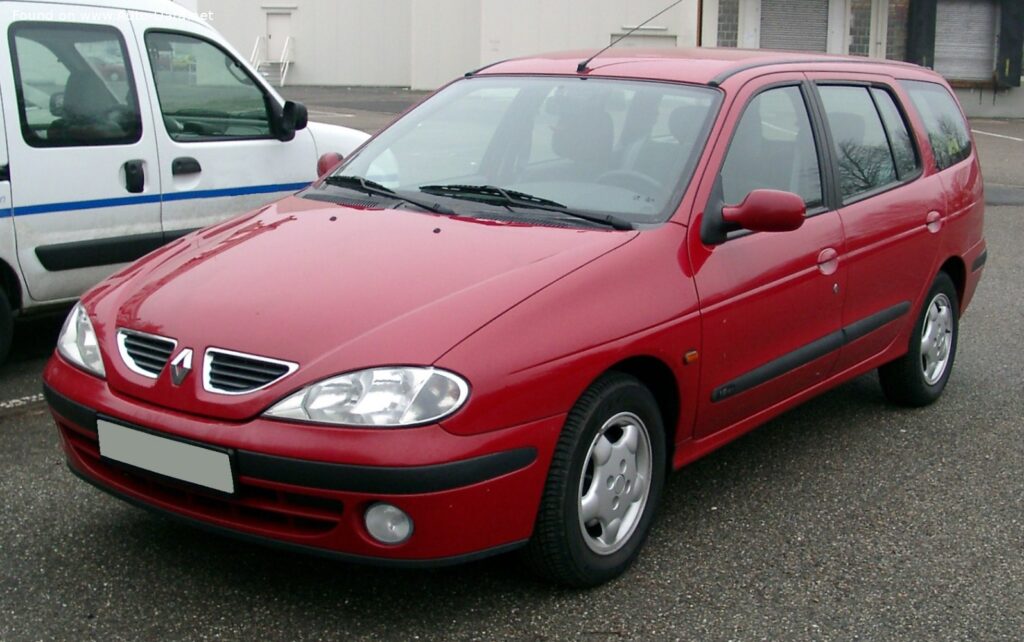
The Renault Megane I Grandtour 1.9 dTi (98 hp) was a station wagon variant produced between 1999 and 2001 as part of the Phase II refresh of the first-generation Megane. Positioned as a practical and fuel-efficient option within the Megane range, it catered to buyers needing a versatile vehicle for family or work use. The Grandtour body style, Renault’s designation for its estate/wagon models, offered significantly increased cargo capacity compared to the hatchback version. This particular 1.9 dTi engine and transmission combination represented a mid-range offering, slotting below the more powerful petrol engines and above the base-level diesel options.
Powertrain & Engine Architecture
The heart of the Megane I Grandtour 1.9 dTi was the F9Q engine, a 1.9-liter inline-four cylinder diesel engine. This engine was a common sight in Renault and other European vehicles of the period. The F9Q featured direct injection, a technology that improved fuel efficiency and reduced emissions compared to older indirect injection systems. The engine produced 98 horsepower (hp) at 4000 rpm and 200 Newton-meters (147.51 lb-ft) of torque at 2000 rpm. This torque output, available relatively low in the rev range, was a key characteristic of the engine, providing good pulling power for everyday driving and when carrying loads.
The engine utilized an overhead camshaft (OHC) valvetrain with two valves per cylinder. A turbocharger was employed to boost power output, enhancing performance without significantly increasing engine size or fuel consumption. The F9Q engine was known for its robust construction, but also for potential issues with turbocharger reliability and, in some cases, injector wear. The engine’s displacement was 1870 cm³ (114.11 cubic inches) with a bore of 80mm and a stroke of 93mm. Compression ratio was set at 18.3:1. The engine required 5.5 liters (5.81 US quarts) of engine oil, specified to Renault standards.
The 1.9 dTi engine was typically paired with a five-speed manual transmission. While an automatic transmission was offered on some Megane I models, it was less common with the 1.9 dTi engine due to the torque characteristics of the diesel and the desire for maximum fuel economy. The manual gearbox provided precise gear changes and allowed drivers to fully utilize the engine’s torque.
Fuel Injection System
The F9Q engine employed a sophisticated direct injection system. This system involved high-pressure fuel injectors that sprayed fuel directly into the combustion chamber. This allowed for more precise control over the combustion process, resulting in improved fuel efficiency and reduced emissions. The direct injection system also contributed to the engine’s characteristic diesel clatter, which was more pronounced than in older indirect injection engines.
Driving Characteristics
The Renault Megane I Grandtour 1.9 dTi offered a practical and economical driving experience. Acceleration from 0 to 100 km/h (0-62 mph) took approximately 12.2 seconds, and top speed was rated at 182 km/h (113.09 mph). While not a performance-oriented vehicle, the 1.9 dTi provided sufficient power for everyday driving, including highway cruising and overtaking. The engine’s strong low-end torque made it particularly well-suited for carrying passengers and cargo. The five-speed manual transmission allowed drivers to keep the engine in its optimal power band, maximizing efficiency and responsiveness.
Compared to the petrol-powered Megane variants, the 1.9 dTi offered significantly better fuel economy. Combined fuel consumption was rated at 5.4 l/100 km (43.6 US mpg), making it an attractive option for drivers covering long distances. However, the diesel engine was noticeably louder and produced more vibration than the petrol engines. The handling was typical of a front-wheel-drive hatchback, with predictable but not particularly sporty characteristics.
Equipment & Trim Levels
The Megane I Grandtour 1.9 dTi was generally equipped with a reasonable level of standard features. These typically included power steering, central locking, electric front windows, and an adjustable steering column. Interior upholstery was usually cloth, with a functional and durable design. The dashboard layout was straightforward and easy to use, with clearly labeled controls. Optional extras available for this trim level included air conditioning, alloy wheels, a sunroof, and a radio/cassette player. Higher trim levels, such as the Expression or Privilege, offered additional features such as automatic headlights, rain-sensing wipers, and upgraded interior trim.
Chassis & Braking
The Megane I Grandtour featured an independent coil spring suspension at the front and a torsion beam suspension at the rear. This suspension setup provided a comfortable ride quality, although it was not particularly sporty. The front brakes were ventilated discs, while the rear brakes were drums. Anti-lock Braking System (ABS) was standard equipment, enhancing safety by preventing wheel lockup during hard braking. The steering was a rack and pinion system with hydraulic power assistance, providing light and precise steering feel. The vehicle rode on 185/55 R15 or 185/60 R15 tires, mounted on 6J x 15 inch steel or alloy wheels.
Market Reception & Comparison
The Renault Megane I Grandtour 1.9 dTi was generally well-received by automotive critics as a practical and economical family car. It was praised for its spacious interior, large cargo capacity, and fuel-efficient engine. However, some critics noted the engine’s noise and vibration, as well as its relatively modest performance. Compared to the petrol-powered Megane variants, the 1.9 dTi offered superior fuel economy but lacked the refinement and responsiveness of the petrol engines. Compared to other diesel estate cars in its class, such as the Ford Focus Estate and the Vauxhall/Opel Astra Estate, the Megane 1.9 dTi offered a competitive combination of price, fuel economy, and practicality.
Technical Specifications
| Brand | Renault |
| Model | Megane I Grandtour |
| Engine Type | 1.9 dTi (Diesel) |
| Engine Code | F9Q |
| Displacement | 1870 cm³ (114.11 cu. in.) |
| Power | 98 hp @ 4000 rpm |
| Torque | 200 Nm (147.51 lb-ft) @ 2000 rpm |
| Fuel Consumption (Urban) | 7.2 l/100 km (32.7 US mpg) |
| Fuel Consumption (Extra Urban) | 4.4 l/100 km (53.5 US mpg) |
| Fuel Consumption (Combined) | 5.4 l/100 km (43.6 US mpg) |
| CO2 Emissions | 143 g/km |
| Acceleration 0-100 km/h | 12.2 sec |
| Top Speed | 182 km/h (113.09 mph) |
| Kerb Weight | 1210 kg (2667.59 lbs) |
| Max. Weight | 1745 kg (3847.07 lbs) |
| Fuel Tank Capacity | 60 l (15.85 US gal) |
| Transmission | 5-speed Manual |
Legacy
The Renault Megane I Grandtour 1.9 dTi, while now an older vehicle, remains a relatively common sight on European roads. The F9Q engine, despite its potential for turbocharger and injector issues, proved to be a durable and reliable unit when properly maintained. The Grandtour body style continues to be popular with buyers needing a practical and versatile vehicle. In the used car market, these models are typically affordable and offer good value for money, particularly for those seeking a fuel-efficient and spacious estate car. However, potential buyers should be aware of the engine’s potential weaknesses and ensure that the vehicle has been well-maintained. The 1.9 dTi engine, in its various iterations, helped establish Renault as a major player in the European diesel car market.