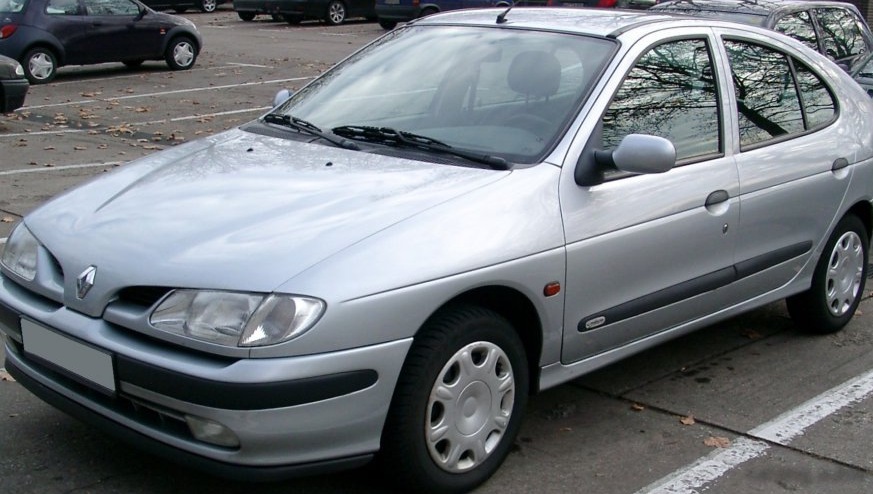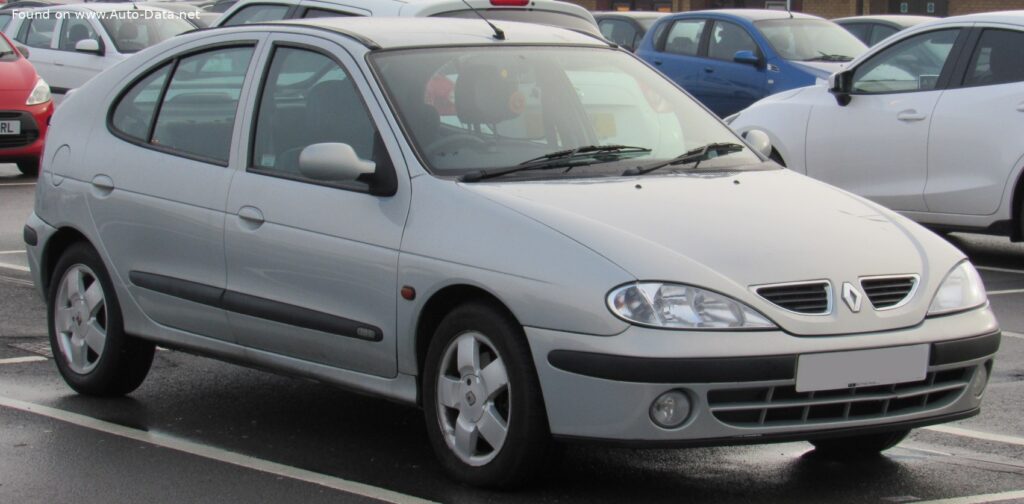
The Renault Megane I (Phase II), produced from 2001 to 2003, represented a significant update to Renault’s compact family car. Within the Phase II range, the 1.8 16V variant, producing 116 horsepower, occupied a middle ground in the lineup, offering a balance between performance and affordability. This model was positioned above the base 1.4 and 1.6 liter engines, and below the more powerful 2.0 16V and diesel options. It primarily targeted buyers seeking a reasonably equipped and capable hatchback for everyday use, offering a step up in performance from the entry-level models without the higher price tag of the range-topping trims.
Renault Megane I Phase II (2001-2003) 1.8 16V: An Overview
The Megane I, launched in 1995, was Renault’s challenger in the competitive C-segment, aiming to replace the aging Renault 19. The Phase II update, introduced in 1999 and continuing through 2003, brought revised styling, improved safety features, and updated engine options. The 1.8 16V model was a key part of this revised lineup, offering a more refined driving experience than the smaller displacement engines. It was available exclusively as a five-door hatchback, catering to the practical needs of family buyers.
Powertrain & Engine Architecture
The heart of the Megane I 1.8 16V is the Renault F4P engine, a 1.8-liter (1783 cc) inline-four cylinder gasoline engine. This engine is a naturally aspirated design, meaning it does not utilize a turbocharger or supercharger. The “16V” designation indicates the engine features four valves per cylinder, contributing to improved breathing and higher power output. The F4P engine utilizes a multi-port fuel injection system, delivering fuel directly into the intake ports just before the intake valves. This system, common for its time, provides precise fuel metering for optimal combustion. The engine’s valvetrain employs a double overhead camshaft (DOHC) design, further enhancing valve control and engine efficiency.
While a five-speed manual transmission was the most common pairing for the 1.8 16V, a four-speed automatic transmission was also offered. This automatic gearbox, while providing convenience, was a somewhat dated design and contributed to slightly lower fuel economy and acceleration compared to the manual version. The automatic transmission featured standard torque converter technology and electronic control for smoother shifting.
Driving Characteristics
The 1.8 16V engine delivers a respectable 116 horsepower at 5750 rpm and 158 Nm (116.53 lb-ft) of torque at 3750 rpm. This output translates to a 0-62 mph (0-100 km/h) acceleration time of approximately 8.9 seconds, and a top speed of 123.65 mph (199 km/h). While not a particularly sporty performer, the 1.8 16V offered sufficient power for comfortable cruising and overtaking maneuvers. Compared to the 1.4 and 1.6 liter models, the 1.8 provided noticeably more responsive acceleration, particularly when fully loaded or tackling inclines.
The automatic transmission, while convenient, did impact the driving experience. Gear changes were not as crisp or quick as those of the manual gearbox, and the transmission tended to hunt for gears under heavy acceleration. The gear ratios were optimized for fuel efficiency and smooth operation, rather than outright performance. The front-wheel-drive configuration provided predictable handling, although it lacked the dynamic capabilities of more sophisticated chassis designs.
Equipment & Trim Levels
The 1.8 16V Megane I Phase II typically came equipped with a reasonable level of standard features. These included power steering, central locking, electric front windows, and an adjustable steering column. Air conditioning was often included as standard, or available as an option. Interior upholstery was typically cloth, with a relatively simple dashboard layout. Higher trim levels, such as the “Expression” or “Dynamique” variants, added features like alloy wheels, rear electric windows, a CD player, and upgraded interior trim. Optional extras included a sunroof, metallic paint, and upgraded audio systems.
Chassis & Braking
The Megane I Phase II utilized an independent coil spring suspension at the front, providing a comfortable ride and decent handling. The rear suspension employed a torsion beam setup, which was a cost-effective solution that offered adequate stability. The front brakes were ventilated discs, providing good stopping power, while the rear brakes were drums. Anti-lock Braking System (ABS) was available, and became increasingly common on higher trim levels, enhancing safety. The steering system was a rack and pinion design with hydraulic power assistance, offering a reasonable level of feel and responsiveness.
Market Reception & Comparison
The Renault Megane I 1.8 16V was generally well-received by automotive critics as a competent and practical family car. It was praised for its comfortable ride, spacious interior, and reasonable fuel economy. However, the automatic transmission was often criticized for its sluggish performance and dated design. Compared to other cars in its class, such as the Volkswagen Golf, Ford Focus, and Opel/Vauxhall Astra, the Megane offered a competitive package in terms of price and features. The 1.8 16V offered a better balance of performance and economy than the smaller-engined models, but lacked the outright performance of the 2.0 16V. Fuel consumption figures were around 7.4 l/100 km (31.8 US mpg) combined, which was typical for a car of this size and engine capacity at the time.
Technical Specifications
| Engine Type | Inline-4, Naturally Aspirated |
| Engine Displacement | 1783 cc (108.81 cu in) |
| Engine Code | F4P |
| Power Output | 116 hp @ 5750 rpm |
| Torque Output | 158 Nm (116.53 lb-ft) @ 3750 rpm |
| Fuel Injection | Multi-port Fuel Injection |
| Valvetrain | DOHC (Double Overhead Camshaft) |
| Compression Ratio | 9.8:1 |
| Transmission | 5-speed Manual or 4-speed Automatic |
| Drive Wheels | Front Wheel Drive |
| Kerb Weight | 1120 kg (2469.18 lbs) |
| Maximum Speed | 199 km/h (123.65 mph) |
| 0-100 km/h | 8.9 seconds |
| Fuel Consumption (Combined) | 7.4 l/100 km (31.8 US mpg) |
| CO2 Emissions | 175 g/km |
| Fuel Tank Capacity | 60 liters (15.85 US gal) |
Legacy
The Renault Megane I 1.8 16V, while not a particularly rare or collectible model, remains a relatively common sight on European roads today. The F4P engine is known for its durability and reliability, provided it is properly maintained. The automatic transmission, however, is often considered the weak link in the powertrain, and can be prone to issues with age. In the used car market, these models are typically affordable and represent a practical option for budget-conscious buyers. Regular maintenance, including oil changes and timing belt replacements, is crucial for ensuring the long-term reliability of this powertrain. The Megane I 1.8 16V served as a solid foundation for Renault’s continued success in the compact family car segment, paving the way for the more refined and technologically advanced Megane II.