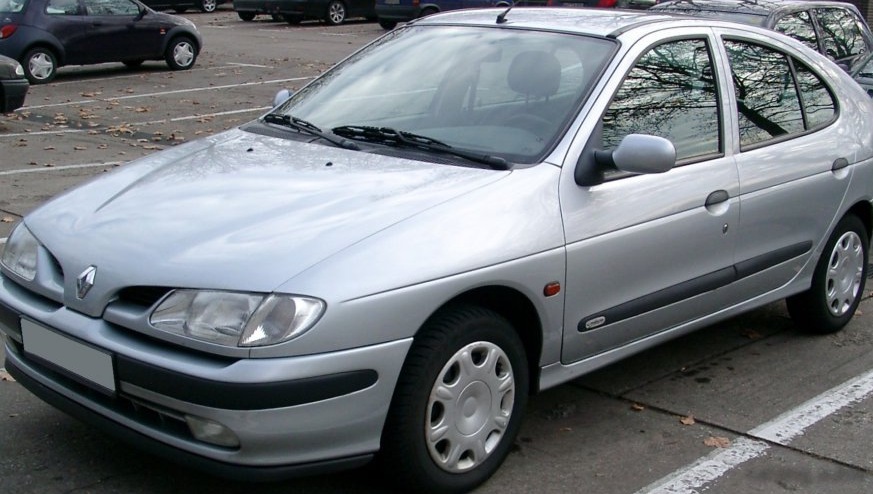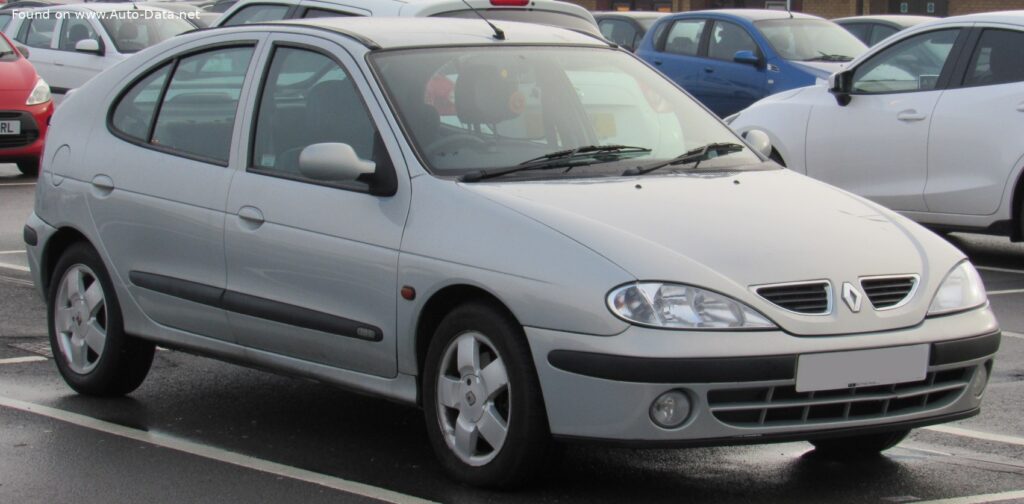
The Renault Megane I (Phase II), produced from 1999 to 2003, represented a significant update to Renault’s compact family car. Within this generation, the 1.9 dCi 102 hp variant, introduced in 2001, occupied a middle ground in the lineup, offering a balance between fuel efficiency, performance, and cost. It was positioned above the lower-powered gasoline engines and below the more expensive and performance-oriented versions, appealing to buyers seeking a practical and economical diesel option. This model was primarily available as a five-door hatchback, though other body styles were offered within the broader Megane I range.
1.9 dCi (102 Hp) Powertrain & Engine Architecture
The heart of the Megane I 1.9 dCi was the F9Q engine, a 1.9-liter inline four-cylinder diesel. This engine was a key component of Renault’s diesel strategy during the early 2000s, known for its relatively advanced technology for the time. The F9Q engine utilized a common rail direct fuel injection system, which allowed for precise control of fuel delivery, resulting in improved combustion efficiency, reduced noise, and lower emissions. The engine produced 102 horsepower (hp) at 4000 rpm and 200 Newton-meters (147.51 lb-ft) of torque at 1500 rpm. This torque output, available at relatively low engine speeds, provided good drivability in everyday conditions.
The engine featured an overhead camshaft (OHC) valvetrain with two valves per cylinder. A turbocharger with an intercooler was employed to increase power output and improve engine responsiveness. The intercooler cooled the compressed air from the turbocharger, increasing its density and further enhancing combustion. The engine’s displacement was 1870 cm³ (114.11 cu. in.), with a bore of 80 mm (3.15 in.) and a stroke of 93 mm (3.66 in.). The compression ratio was a high 19:1, typical for diesel engines. Engine oil capacity was 5.5 liters (5.81 US qt / 4.84 UK qt), and the recommended oil specification varied depending on the market.
While a manual transmission was the most common pairing for this engine, an automatic transmission option was also available, though less frequently chosen. The automatic transmission was a four-speed unit, designed to provide convenient shifting for urban driving. However, it did impact fuel economy and acceleration compared to the manual gearbox.
Engine Codes & Variations
The F9Q engine code encompasses several variations. While the 102 hp version was common, slight differences existed based on the year of manufacture and specific market requirements. These variations primarily related to engine management software and minor component updates. The engine was known for its robustness, but like all diesel engines, it was susceptible to issues related to fuel quality and maintenance.
Driving Characteristics
The Renault Megane I 1.9 dCi 102 hp offered a distinctly different driving experience compared to the gasoline-powered versions. The diesel engine’s high torque output provided strong acceleration from low speeds, making it well-suited for overtaking and navigating city traffic. While not a particularly sporty car, the 1.9 dCi offered a comfortable and relaxed driving experience. Acceleration from 0 to 100 km/h (0 to 62 mph) took approximately 11.5 seconds, and the top speed was around 189 km/h (117.44 mph). The automatic transmission, while convenient, resulted in slightly slower acceleration times and a less engaging driving experience compared to the manual version.
The gear ratios in the manual transmission were well-chosen to maximize fuel efficiency and provide adequate acceleration. The automatic transmission, with its four speeds, felt somewhat dated compared to more modern automatic gearboxes. The suspension was tuned for comfort, providing a reasonably smooth ride over most road surfaces. However, it wasn’t particularly sporty, and body roll was noticeable during cornering.
Equipment & Trim Levels
The 1.9 dCi 102 hp variant of the Megane I typically came with a reasonable level of standard equipment. This included power steering, central locking, electric front windows, and an anti-lock braking system (ABS). Interior upholstery was typically cloth, with a relatively simple dashboard layout. Air conditioning was often an optional extra, as were features like alloy wheels, a CD player, and rear electric windows. Higher trim levels, such as the “Expression” or “Privilege” models, offered more luxurious features, including upgraded upholstery, automatic climate control, and a sunroof.
The interior design of the Megane I was functional and practical, rather than particularly stylish. The dashboard was logically laid out, with easy-to-read instruments. The seats were comfortable, providing adequate support for long journeys. The overall build quality was generally good, although some plastics felt somewhat cheap.
Chassis & Braking
The Megane I 1.9 dCi utilized an independent coil spring suspension at the front and a torsion beam suspension at the rear. This setup provided a good balance between comfort and handling. The front brakes were ventilated discs, offering good stopping power, while the rear brakes were drums. The ABS system helped to prevent wheel lockup during hard braking, improving stability and control. The steering was a rack and pinion system with hydraulic power assistance, providing a light and responsive feel.
The curb weight of the Megane I 1.9 dCi was approximately 1140 kg (2513.27 lbs). The tires were typically 185/60 R15, mounted on 15-inch steel or alloy wheels. The suspension was tuned to provide a comfortable ride, but it wasn’t particularly sporty. The braking system was adequate for everyday use, but it wasn’t as powerful as those found on more performance-oriented cars.
Market Reception & Comparison
The Renault Megane I 1.9 dCi 102 hp was generally well-received by critics and buyers alike. It was praised for its fuel efficiency, strong torque output, and comfortable ride. However, some critics noted that the engine was somewhat noisy and that the automatic transmission felt dated. Compared to the gasoline-powered versions of the Megane I, the 1.9 dCi offered significantly better fuel economy and more torque. Compared to other diesel-powered cars in its class, such as the Volkswagen Golf TDI, the Megane I 1.9 dCi offered a competitive combination of performance, economy, and price.
Fuel consumption figures were impressive for the time, with combined fuel economy of around 5.2 l/100 km (45.2 US mpg / 54.3 UK mpg). CO2 emissions were 139 g/km, placing it within the Euro 3 emission standard.
Technical Specifications
| Brand | Renault |
| Model | Megane I (Phase II) |
| Engine Type | 1.9 dCi (102 Hp) |
| Production Years | 2001-2003 |
| Body Type | Hatchback |
| Engine Displacement | 1870 cm³ (114.11 cu. in.) |
| Number of Cylinders | 4 |
| Engine Configuration | Inline |
| Power Output | 102 hp @ 4000 rpm |
| Torque Output | 200 Nm (147.51 lb-ft) @ 1500 rpm |
| Fuel Injection | Diesel Commonrail |
| Turbocharger | Yes, with Intercooler |
| Valvetrain | OHC (2 valves per cylinder) |
| Compression Ratio | 19:1 |
| Fuel Consumption (Urban) | 6.8 l/100 km (34.6 US mpg / 41.5 UK mpg) |
| Fuel Consumption (Extra Urban) | 4.4 l/100 km (53.5 US mpg / 64.2 UK mpg) |
| Fuel Consumption (Combined) | 5.2 l/100 km (45.2 US mpg / 54.3 UK mpg) |
| CO2 Emissions | 139 g/km |
| Acceleration 0-100 km/h | 11.5 sec |
| Top Speed | 189 km/h (117.44 mph) |
| Curb Weight | 1140 kg (2513.27 lbs) |
| Fuel Tank Capacity | 60 l (15.85 US gal / 13.2 UK gal) |
Legacy
The Renault Megane I 1.9 dCi 102 hp powertrain proved to be relatively reliable, although, as with any used car, maintenance history is crucial. The F9Q engine is known for its durability, but issues can arise with the turbocharger, fuel injectors, and the common rail system if not properly maintained. Today, these cars are relatively affordable on the used market, making them an attractive option for budget-conscious buyers. However, potential buyers should be aware of the age of the vehicle and the potential for wear and tear. The 1.9 dCi engine remains a popular choice for those seeking a fuel-efficient and reliable diesel engine, and many examples are still on the road today, a testament to its robust design and engineering.