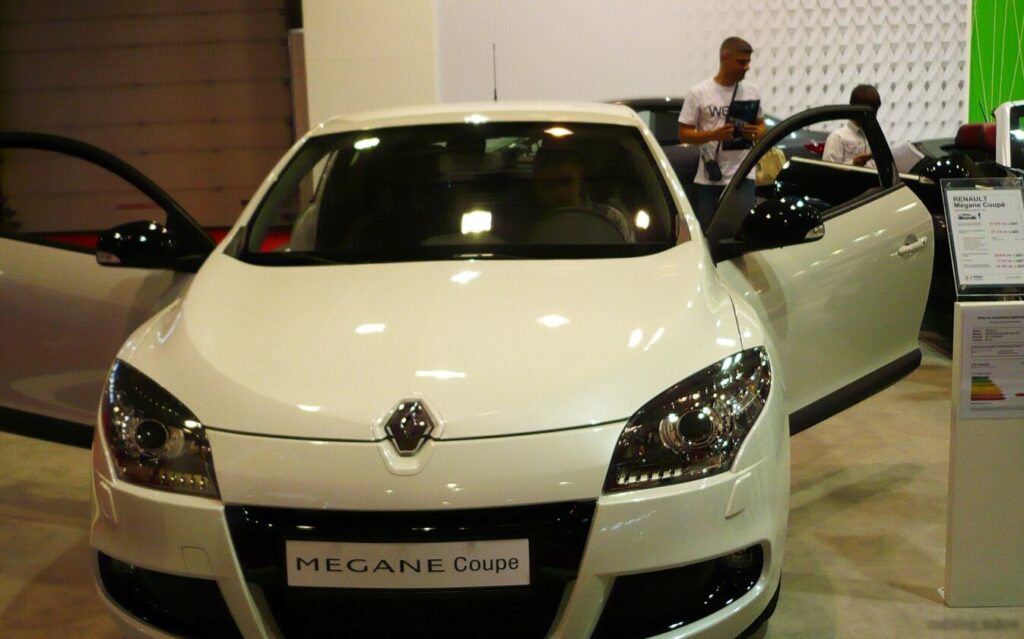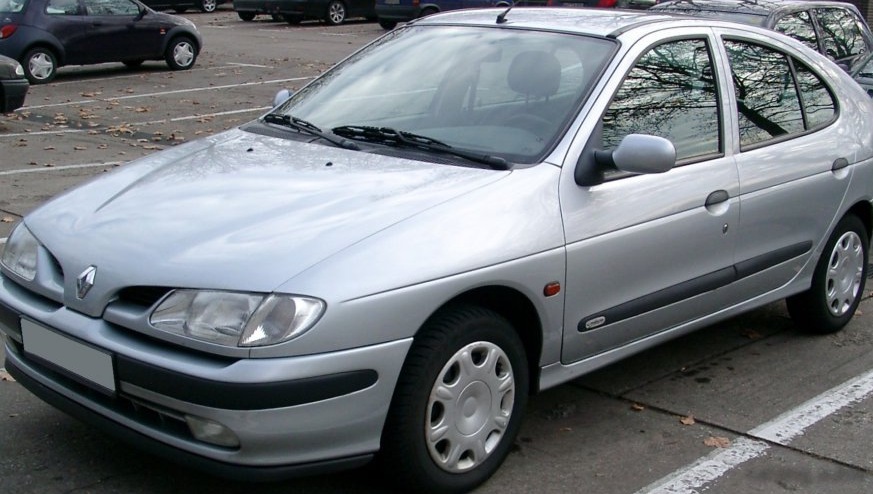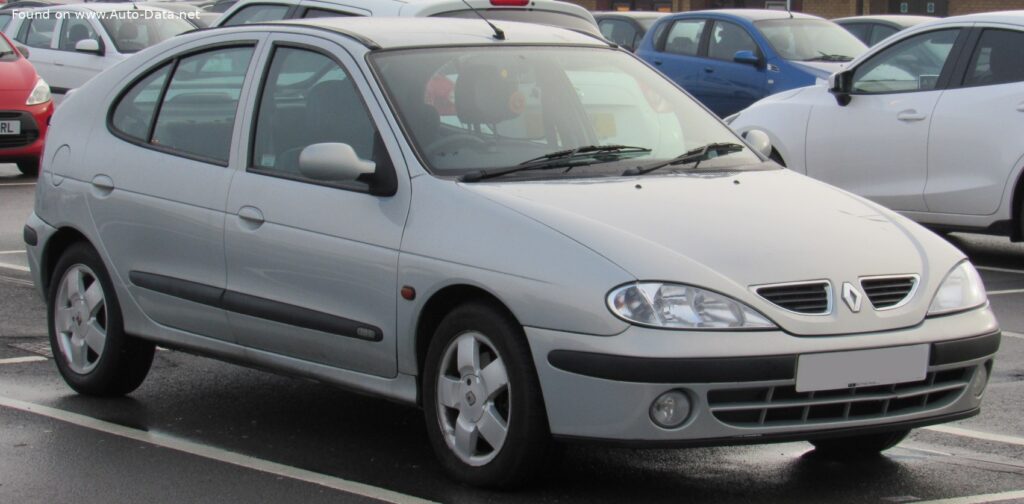
The Renault Megane I (Phase II), produced from 1999 to 2003, represented a significant update to Renault’s compact family car. Within this generation, the 1.9 dTi variant, offering 80 horsepower, was introduced in 2000 and continued through 2002. This model occupied a position as a fuel-efficient and practical option within the Megane I lineup, appealing to buyers prioritizing economy over outright performance. It was positioned below the more powerful petrol engines and above the base-level diesel offerings, making it a popular choice for those seeking a balance between cost and usability. The Megane I series, built on the 1HX0/A3 platform, aimed to provide a modern and versatile vehicle for the European market.
1.9 dTi Powertrain & Engine Architecture
The heart of the Megane I 1.9 dTi is the F9Q engine, a 1.9-liter inline four-cylinder diesel engine. This engine utilizes direct injection technology, a key feature for improving fuel efficiency and reducing emissions. The F9Q engine family was widely used across Renault and partner vehicles during this period, known for its robustness and relatively simple design. The 80 horsepower output is achieved at 4000 rpm, while peak torque of 160 Nm (118.01 lb-ft) is delivered at 2000 rpm. This torque curve provides reasonable pulling power for everyday driving conditions.
The engine features an overhead camshaft (OHC) valvetrain with two valves per cylinder. The turbocharger, integral to the dTi designation, forces more air into the cylinders, boosting power and torque. The fuel injection system is a sophisticated direct injection system, carefully metering fuel into the combustion chamber for optimal combustion. The engine’s displacement is 1870 cm³ (114.11 cu. in.), with a bore of 80 mm (3.15 in.) and a stroke of 93 mm (3.66 in.). A compression ratio of 18.3:1 contributes to the engine’s efficiency. Engine oil capacity is 5.5 liters (5.81 US qt / 4.84 UK qt), and it requires a specification adhering to Renault’s standards for the period. Coolant capacity is 7.5 liters (7.93 US qt / 6.6 UK qt).
Transmission
The 1.9 dTi Megane I was primarily equipped with a five-speed manual transmission. While an automatic transmission was offered on some Megane I models, it was less common with the 1.9 dTi engine due to the focus on fuel economy and the automatic’s impact on efficiency. The manual gearbox provides precise gear changes and allows the driver to fully utilize the engine’s torque. Gear ratios are tuned for maximizing fuel efficiency and providing adequate acceleration in typical driving scenarios.
Driving Characteristics
The Renault Megane I 1.9 dTi delivers a driving experience focused on practicality and fuel economy. Acceleration from 0 to 100 km/h (0-62 mph) takes approximately 13.8 seconds, and 0 to 60 mph is achieved in around 13.1 seconds. The top speed is rated at 170 km/h (105.63 mph). While not a performance-oriented vehicle, the 1.9 dTi provides sufficient power for everyday commuting and highway driving. The turbocharger provides a noticeable boost in power during acceleration, but the engine can feel somewhat strained at higher speeds. Compared to the more powerful petrol versions of the Megane I, the 1.9 dTi offers significantly better fuel economy but sacrifices acceleration and overall responsiveness. The manual transmission allows for greater control and engagement, while the relatively long gearing contributes to fuel efficiency.
Equipment & Trim Levels
The 1.9 dTi Megane I typically came with a moderate level of standard equipment. Base models included power steering, central locking, and an adjustable steering column. Interior upholstery was typically cloth, with a functional and durable design. Higher trim levels, such as the Expression or Dynamique, added features like air conditioning, electric windows, and alloy wheels. Optional extras included a sunroof, upgraded audio systems, and anti-theft alarms. The dashboard layout was typical of the era, with a clear instrument cluster and logically arranged controls. Safety features included ABS (Anti-lock Braking System) as standard, enhancing braking performance and stability.
Chassis & Braking
The Megane I 1.9 dTi utilizes an independent coil spring suspension at the front, providing a comfortable ride and good handling characteristics. The rear suspension employs a torsion beam setup, which is cost-effective and provides adequate stability. The front brakes are ventilated discs, offering strong stopping power, while the rear brakes are drums. This combination is typical for vehicles in this weight class and price range. The steering system is a rack and pinion type with hydraulic power assistance, providing precise and responsive steering feel. Tire sizes varied depending on the trim level, with common options including 175/65 R14, 175/70 R14, 185/55 R15, and 185/60 R15. Wheel rim sizes were typically 5.5J x 14 or 6J x 15.
Market Reception & Comparison
The Renault Megane I 1.9 dTi was generally well-received by critics as a practical and economical family car. Its fuel efficiency was a major selling point, particularly in Europe where diesel fuel was often cheaper than petrol. Compared to the petrol-powered Megane I variants, the 1.9 dTi offered significantly better fuel economy – achieving around 5.5 l/100 km (42.8 US mpg / 51.4 UK mpg) on a combined cycle. However, it lacked the performance and refinement of the higher-output engines. Reliability was generally good, although the direct injection system could require occasional maintenance. The 1.9 dTi competed with other compact diesel hatchbacks, such as the Volkswagen Golf TDI and the Peugeot 306 HDi, offering a comparable level of performance and economy.
Technical Specifications
| Brand | Renault |
| Model | Megane |
| Generation | Megane I (Phase II, 1999) |
| Type (Engine) | 1.9 dTi (80 Hp) |
| Start of production | 2000 year |
| End of production | 2002 year |
| Fuel consumption (urban) | 7.2 l/100 km (32.7 US mpg / 39.2 UK mpg) |
| Fuel consumption (extra urban) | 4.5 l/100 km (52.3 US mpg / 62.8 UK mpg) |
| Fuel consumption (combined) | 5.5 l/100 km (42.8 US mpg / 51.4 UK mpg) |
| CO2 emissions | 145 g/km |
| Fuel Type | Diesel |
| Acceleration 0 – 100 km/h | 13.8 sec |
| Acceleration 0 – 62 mph | 13.8 sec |
| Acceleration 0 – 60 mph | 13.1 sec |
| Maximum speed | 170 km/h (105.63 mph) |
| Emission standard | Euro 3 |
| Weight-to-power ratio | 14.3 kg/Hp |
| Weight-to-torque ratio | 7.1 kg/Nm |
| Power | 80 Hp @ 4000 rpm |
| Torque | 160 Nm @ 2000 rpm (118.01 lb.-ft. @ 2000 rpm) |
| Engine layout | Front, Transverse |
| Engine Model/Code | F9Q |
| Engine displacement | 1870 cm3 (114.11 cu. in.) |
| Number of cylinders | 4 |
| Engine configuration | Inline |
| Cylinder Bore | 80 mm (3.15 in.) |
| Piston Stroke | 93 mm (3.66 in.) |
| Compression ratio | 18.3:1 |
| Number of valves per cylinder | 2 |
| Fuel injection system | Direct injection |
| Engine aspiration | Turbocharger |
| Valvetrain | OHC |
| Engine oil capacity | 5.5 l (5.81 US qt / 4.84 UK qt) |
| Coolant | 7.5 l (7.93 US qt / 6.6 UK qt) |
| Kerb Weight | 1140 kg (2513.27 lbs.) |
| Max. weight | 1650 kg (3637.63 lbs.) |
| Trunk (boot) space – minimum | 348 l (12.29 cu. ft.) |
| Trunk (boot) space – maximum | 1210 l (42.73 cu. ft.) |
| Fuel tank capacity | 60 l (15.85 US gal / 13.2 UK gal) |
| Length | 4164 mm (163.94 in.) |
| Width | 1698 mm (66.85 in.) |
| Height | 1420 mm (55.91 in.) |
| Wheelbase | 2580 mm (101.57 in.) |
| Number of gears and type of gearbox | 5 gears, manual transmission |
Legacy
The Renault Megane I 1.9 dTi powertrain has proven to be relatively durable over the long term, provided it has received regular maintenance. The F9Q engine is known for its robustness, and many examples are still on the road today. However, as with any older vehicle, potential issues can arise, such as turbocharger wear, fuel injector problems, and corrosion. In the used car market, the 1.9 dTi Megane I represents an affordable and economical option for those seeking a practical hatchback. Its fuel efficiency and relatively low running costs make it an attractive choice for budget-conscious buyers. While it may not offer the performance or refinement of more modern vehicles, it remains a capable and reliable car for everyday use.