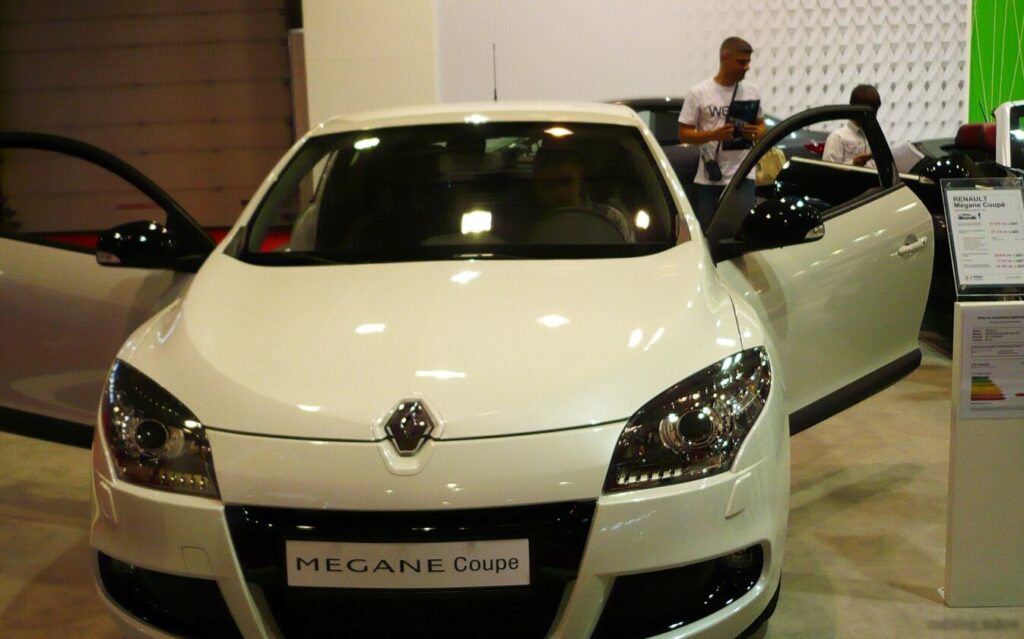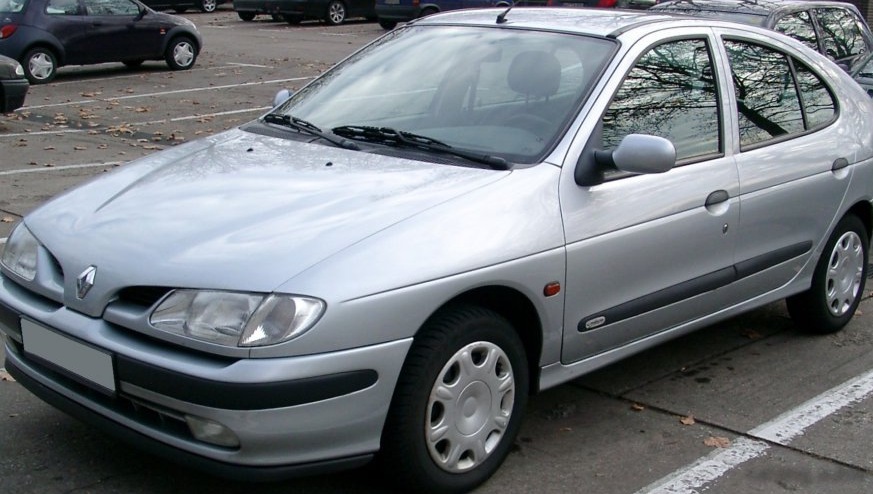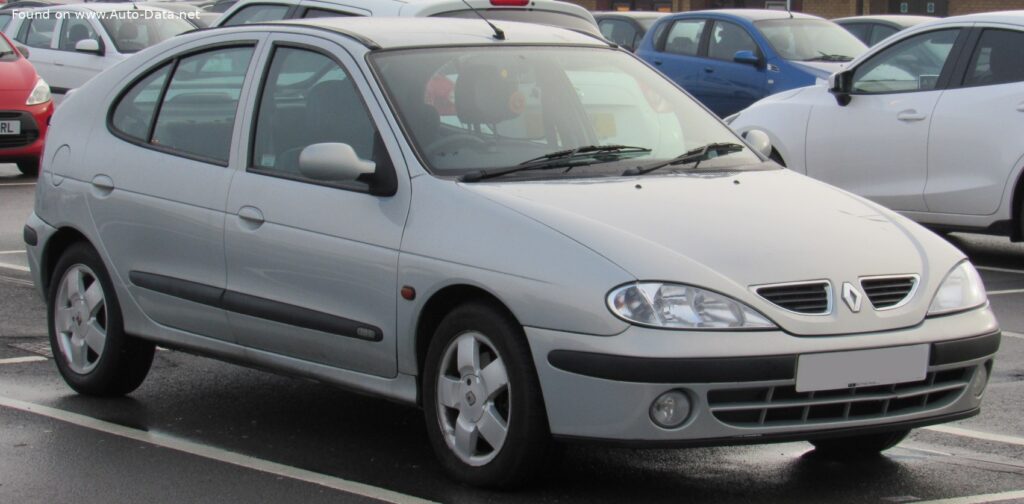
The Renault Megane I (Phase II), produced from 1999 to 2000, represented a mid-cycle refresh of Renault’s popular compact family car. Within the Phase II range, the 1.9 dTi 98 hp Automatic variant occupied a unique position, offering a blend of fuel efficiency and convenience aimed at buyers prioritizing practicality over outright performance. This model was built on the 1HX0/A3 platform, shared with other Renault and Nissan vehicles of the era. It served as a more affordable and economical alternative to the higher-performance petrol engine options, while providing the ease of use of an automatic transmission.
The 1.9 dTi Automatic: Positioning and Target Audience
The 1.9 dTi Automatic trim was positioned as a mid-range offering within the Phase II Megane lineup. It sat below the more powerful petrol variants like the 2.0 16V, and above the base-level 1.4 and 1.6 petrol engines. Renault targeted buyers who frequently commute, prioritize fuel economy, and prefer the convenience of an automatic transmission. Families seeking a practical and reliable hatchback also formed a significant portion of the target demographic. The automatic transmission, while not offering the sporty engagement of a manual, broadened the Megane’s appeal to a wider audience.
Powertrain & Engine Architecture
The heart of the Megane 1.9 dTi Automatic is the F9Q engine, a 1.9-liter inline four-cylinder diesel engine. This engine utilizes direct injection technology, a relatively advanced feature for its time, which contributes to improved fuel efficiency and reduced emissions. The F9Q engine boasts a displacement of 1870 cm³ (114.11 cubic inches) and produces 98 horsepower (73 kW) at 4000 rpm and 200 Nm (147.51 lb-ft) of torque at 2000 rpm. The compression ratio is a high 18.3:1, typical for a direct injection diesel. The engine features an overhead camshaft (OHC) valvetrain with two valves per cylinder.
The engine is paired with a four-speed automatic transmission. This transmission, while providing smooth shifts, is not known for its particularly quick response or advanced features. It’s a conventional hydraulic automatic, relying on torque converter technology. The gear ratios are geared towards fuel efficiency and comfortable cruising rather than spirited acceleration. The automatic transmission was sourced from external suppliers, and its durability and refinement were generally considered adequate for the engine’s power output.
Fuel Injection and Turbocharging
The F9Q engine’s direct injection system is a key component of its efficiency. Unlike indirect injection systems, direct injection sprays fuel directly into the combustion chamber, allowing for more precise control of the combustion process. This results in a more complete burn and reduced emissions. The engine is also equipped with a turbocharger, which forces more air into the cylinders, boosting power and torque. The turbocharger helps to overcome the inherent limitations of a relatively small-displacement diesel engine.
Driving Characteristics
The 1.9 dTi Automatic Megane delivers a driving experience focused on practicality and fuel economy. Acceleration from 0-100 km/h (0-62 mph) takes approximately 12.2 seconds, which is noticeably slower than the petrol-powered versions. The automatic transmission contributes to this slower acceleration, as it doesn’t allow the engine to rev as freely as a manual gearbox. However, the 200 Nm of torque available from 2000 rpm provides adequate pulling power for everyday driving and overtaking maneuvers. The gear ratios are spaced to prioritize fuel efficiency, meaning the engine often operates at lower RPMs during cruising. The ride quality is generally comfortable, thanks to the independent coil spring front suspension and torsion beam rear suspension. The steering is hydraulic, providing reasonable assistance at low speeds.
Compared to the manual transmission version of the 1.9 dTi, the automatic suffers a slight performance penalty. The manual gearbox allows for more driver control and better utilization of the engine’s power band. Compared to the higher-output petrol engines, the 1.9 dTi Automatic is significantly slower, but it compensates with superior fuel economy.
Equipment & Trim Levels
The 1.9 dTi Automatic trim typically included features such as central locking, power steering, electric front windows, and an AM/FM radio. Air conditioning was often an optional extra. Interior upholstery was typically cloth, with a relatively simple dashboard layout. Higher trim levels, such as the “Equip” or “Expression” variants, added features like alloy wheels, a sunroof, and upgraded audio systems. Safety features included ABS (Anti-lock Braking System) as standard equipment. The overall interior ambiance was functional and durable, rather than luxurious.
Chassis & Braking
The Megane 1.9 dTi Automatic utilizes a front-wheel-drive layout. The front suspension consists of independent coil springs, providing a comfortable ride and decent handling. The rear suspension employs a torsion beam, which is a simpler and more cost-effective design. The braking system features ventilated discs on the front wheels and drum brakes on the rear wheels. ABS (Anti-lock Braking System) is standard, enhancing braking performance and stability, particularly on slippery surfaces. The steering is a rack and pinion system with hydraulic power assistance.
Market Reception & Comparison
The Renault Megane 1.9 dTi Automatic was generally well-received by critics as a practical and economical family car. Its fuel economy – around 6.2 l/100 km (37.9 US mpg) combined – was a major selling point. However, the automatic transmission was sometimes criticized for its lack of responsiveness and refinement. Compared to the manual transmission version, the automatic offered slightly worse fuel economy and slower acceleration. Compared to the petrol-powered Meganes, the 1.9 dTi Automatic provided significantly better fuel economy but less performance. Reliability was generally considered good, although the diesel injection system could require occasional maintenance.
Technical Specifications
| Engine Model/Code | F9Q |
| Engine Displacement | 1870 cm³ (114.11 cu. in.) |
| Number of Cylinders | 4, Inline |
| Power | 98 Hp @ 4000 rpm |
| Torque | 200 Nm @ 2000 rpm (147.51 lb.-ft. @ 2000 rpm) |
| Fuel Type | Diesel |
| Fuel Consumption (Urban) | 8.7 l/100 km (27 US mpg) |
| Fuel Consumption (Extra Urban) | 4.8 l/100 km (49 US mpg) |
| Fuel Consumption (Combined) | 6.2 l/100 km (37.9 US mpg) |
| CO2 Emissions | 164 g/km |
| Transmission | 4-speed Automatic |
| Kerb Weight | 1175 kg (2590.43 lbs) |
| Maximum Speed | 185 km/h (114.95 mph) |
| Acceleration 0-100 km/h | 12.2 sec |
| Fuel Tank Capacity | 60 l (15.85 US gal) |
Legacy
The Renault Megane I 1.9 dTi Automatic, while not a performance icon, remains a popular choice in the used car market, particularly for buyers seeking an affordable and fuel-efficient vehicle. The F9Q engine is known for its durability, although regular maintenance is essential to prevent issues with the diesel injection system. The automatic transmission, while not the most sophisticated, has proven to be reasonably reliable. Today, these vehicles are often found with high mileage, but well-maintained examples can still provide years of reliable service. The 1.9 dTi Automatic represents a practical and economical option from a generation of Renault Meganes that established the model as a strong contender in the compact family car segment.